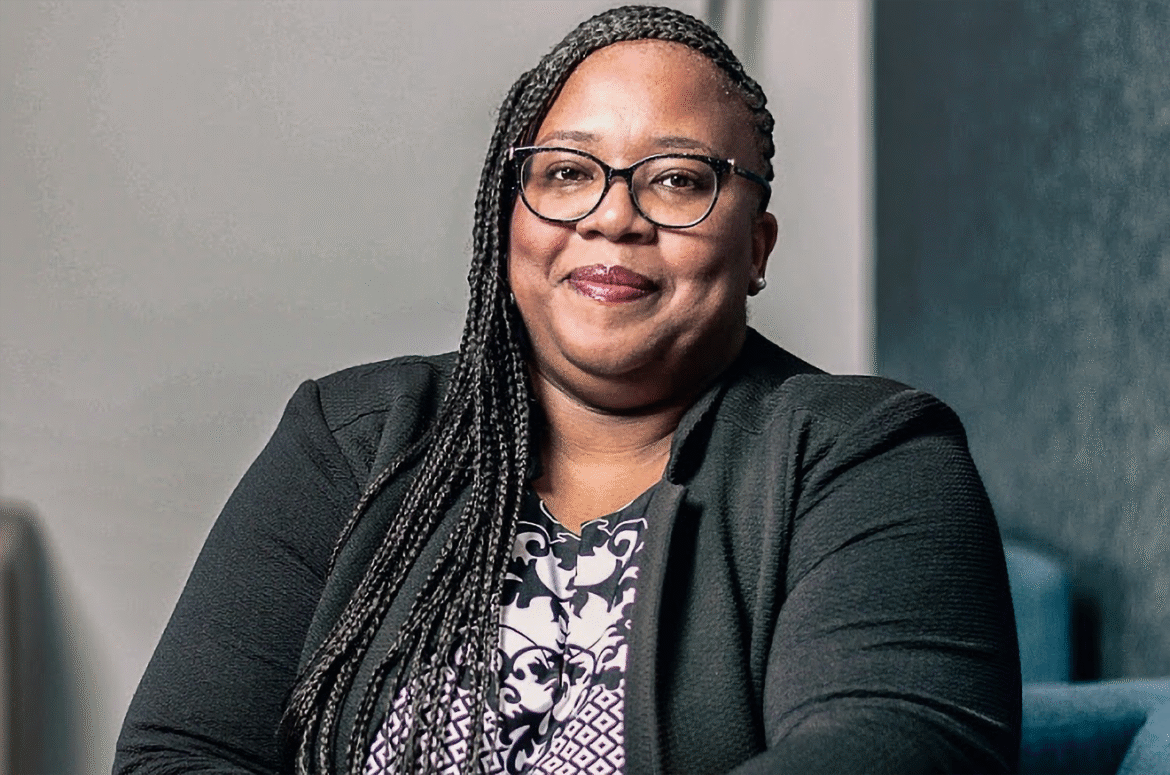
By Lindiwe Monyae, Executive: Emerging Consumer Markets, Liberty
Generally speaking, and according to the Cambridge Dictionary, a mindset is a set of established beliefs, attitudes and opinions that a person adopts about themselves, issues or life in general. Most of us don’t take the time to understand our mindsets or the influence they have on our decisions and reality. Yet, how we interpret and respond to life’s circumstances has long-lasting effects on our wellbeing and stability.
Being unaware of our financial mindset can be dangerous. The way we think about money shapes how we earn, spend, save and invest. Many women in South Africa balance demanding careers, family responsibilities and social commitments. It’s easy to go through the motions of financial decision-making without pausing to ask whether those decisions serve our long-term goals. Some of us make choices based on immediate needs or emotional relief; others delegate financial planning to a partner and hope for the best. But a growing number of women are taking ownership of their finances, recognising that empowerment starts with mindset.
Self-care through financial awareness
One of the most powerful forms of self-care is understanding your financial needs and intentionally working towards them. There are no perfect formulas. Financial journeys are personal and evolving. The key is to start where you are, keep learning and remain willing to adjust along the way. When things don’t go as planned, the right mindset allows you to reset and move forward without shame.
Here are six reflections that have guided my own approach to money:
- I deserve to live a healthy financial life regardless of my background or current situation.
- I must set clear financial goals and create a plan to reach them.
- I don’t need to know everything about finance. I can consult trusted advisors, read credible literature and learn from experts.
- Setbacks will happen. What matters is resilience and continued effort.
- Regularly reviewing my finances and seeking professional advice helps me manage risk, savings and investments wisely.
- Rewarding myself for hard work is not a crime if it’s planned and responsible.
Building good habits early
A financial mindset is important at every age, but developing it early makes a lasting difference. Habits formed in your youth often define how you relate to money for decades. South Africa’s Financial Sector Conduct Authority (FSCA) reports that fewer than 50 percent of adults actively budget or set savings goals. Starting young is therefore not just a personal advantage but a societal need.
When I was an honours student at the University of the Witwatersrand, I received a modest stipend from my parents and a quarterly tutoring allowance. It wasn’t much, but it required discipline. I had to prioritise essentials like food, toiletries, transport and data, then decide what was left for clothes or leisure. Even then, I had to think ahead about saving for holidays, a car and a home deposit. Without realising it, I was building the habits that now underpin my financial stability.
For many South Africans, the path to financial independence starts small – managing a stipend, side income or entry-level salary. What matters is consistency. Every budgeting decision, every small saving, builds financial awareness. Over time, those choices compound into a mindset that supports long-term wealth and security.
Financial mindset in a South African context
Research by the Allan Gray Orbis Foundation shows that only one in three South African women feels confident about managing her money. Yet, when financial education and access are prioritised, women are statistically more likely than men to reinvest in their families and communities. This is why developing a deliberate financial mindset isn’t only a personal journey; it has a ripple effect on households, communities and future generations.
Financial literacy remains one of the biggest enablers of inclusion. In a country where inequality persists, building a mindset that values long-term planning over instant gratification can be transformative. It’s not about perfection; it’s about awareness and accountability.
Start today
Financial health doesn’t require wealth – it requires intention. Start by understanding where your money goes each month. Revisit your goals regularly. Celebrate the small wins that build confidence and momentum. If you make mistakes, learn from them and course-correct. Each deliberate decision strengthens your financial foundation.
The mindset you hold about money can open or close doors for you. It can determine whether you remain reactive to circumstances or become the architect of your own financial future.
Lindiwe Monyae
Lindiwe Monyae is the Executive for Emerging Consumer Markets at Liberty Group, where she leads strategy and market development initiatives aimed at expanding access to financial services for South Africa’s growing middle market. With nearly two decades of experience spanning human resources, consulting and executive leadership, she brings a people-centred approach to business and financial inclusion.
Lindiwe holds an Honours degree in Industrial Psychology from the University of the Witwatersrand, a Sales Leadership qualification from INSEAD Singapore, and a coaching accreditation from the International Coaching Federation. She has also completed an Executive MBA at the University of Cape Town Graduate School of Business.
Her career has included senior roles at SABMiller, Amalgamated Beverage Industries and Old Mutual before joining Liberty. She is passionate about driving financial literacy, particularly among women and youth, and believes that meaningful change begins with the right mindset and access to credible financial education.
Through her leadership and advocacy, Lindiwe continues to champion a more inclusive financial sector – one that empowers South Africans to take ownership of their financial journeys and build lasting generational wealth.