
[Updated on 8 November 2025; 16h26]
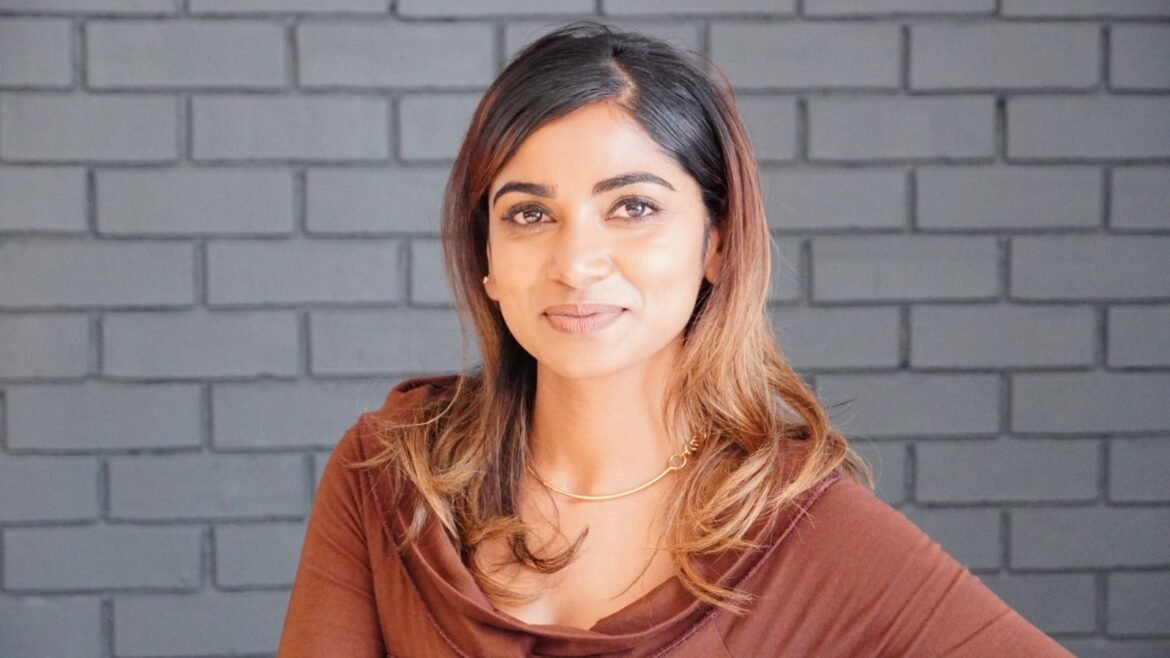
Since we initially published this article, Ama Amo-Agyei has shared additional context surrounding Plantmade’s collapse. In a public response on Instagram, she explained that building both a consumer brand and a manufacturing operation simultaneously placed significant strain on the business due to the debt-heavy nature of manufacturing cash flow cycles. She also cited being let down by a financial partner, along with the limited financial tools available to UK founders compared to the US. Reflecting on the experience, Amo-Agyei emphasised that building a great company is not enough, founders must also build safe companies, with stronger financial oversight, contingency planning and aligned partners at the centre of growth.
Plantmade once embodied the promise of modern entrepreneurship. Founded by Ama Amo-Agyei in 2020, the brand quickly became a lockdown success story, earning admiration for its wellness-inspired haircare products and inspirational-relatable founding story. Early reports suggested the business was on track to reach £11 million in annual revenue after a successful 2024 – a benchmark that positioned it as one of the country’s fastest-growing independent beauty startups.
Yet, five years later, the company entered administration.
According to filings, Plantmade generated £5.3 million in revenue in 2024 but reported an operational loss of more than £670,000. By mid-2025, it owed over £1.8 million to creditors, including the tax authority and a commercial lender. In June, the company’s assets were sold for approximately £30,000 through a pre-pack deal to Crown Holdings, led by Toni Fola-Alade. The transaction allowed Plantmade to continue trading under new ownership while preserving its identity and retaining about fifteen jobs.
On 4 November 2025, Amo-Agyei shared on her Instagram that she and her original leadership team exited as part of the process, bringing an abrupt close to one of the UK’s most celebrated independent brand stories.
Plantmade’s financial troubles underline a recurring reality in modern entrepreneurship: revenue growth can conceal operational weakness. A company may generate millions in sales while still losing money if costs, cash flow and financing are not tightly managed. As digital-first brands continue to chase visibility, many struggle to build the internal systems and fiscal discipline required for sustainable expansion.
The outcome is not uncommon – a thriving brand identity sustained by a business in distress. The administration process, though often perceived as failure, can also be a mechanism of survival. For Plantmade, the rescue deal provided continuity, even if under different leadership.
The broader question is one of responsibility. Founders today face unprecedented opportunity to scale, but with that comes the need for financial literacy and governance that matches ambition. Growth remains the goal, but profitability is what ultimately protects it.
Credit: The Times