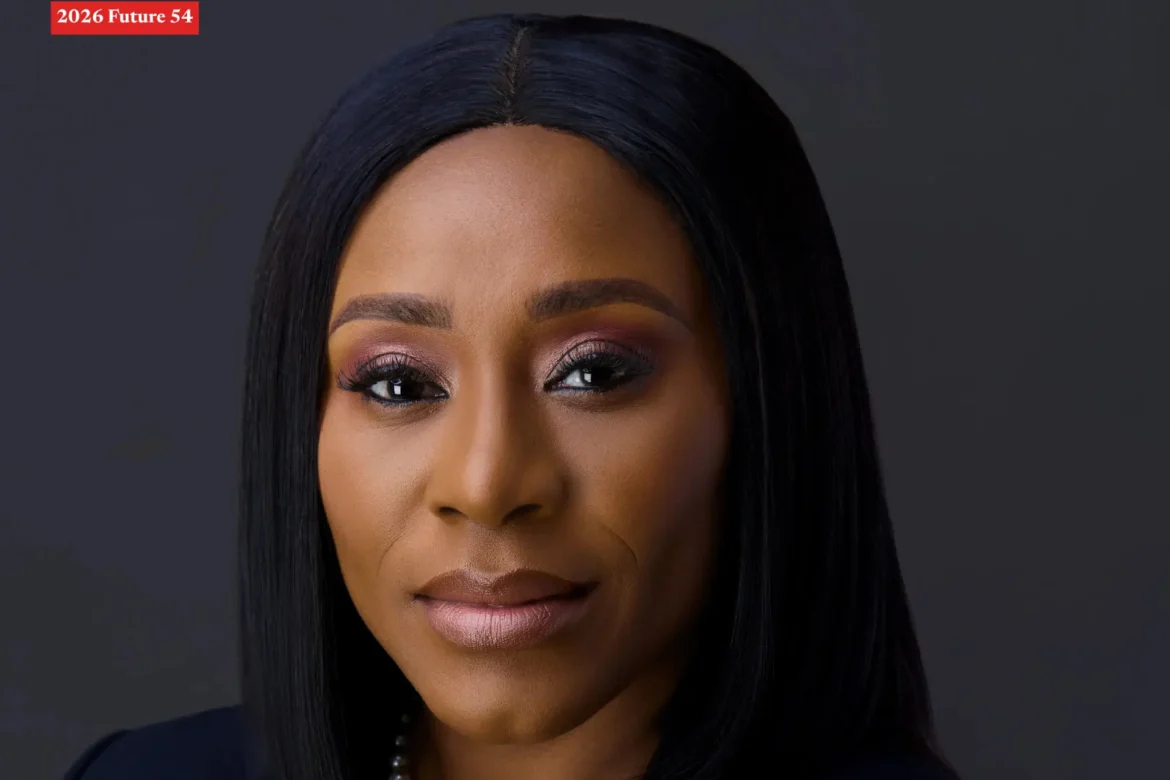

Career paths often take shape in unexpected ways. For Nomaswazi Tshabalala, the journey into data risk began with curiosity, moved through several deliberate pivots and ultimately found its place at the intersection of finance, technology and responsible innovation.
Today, as a Data Risk Analyst, Tshabalala works at the heart of an increasingly critical discipline. Her role centres on ensuring that data is managed accurately, responsibly and in ways that strengthen how organisations operate.
“One of my proudest career highlights has been stepping into a role where I am trusted to challenge and improve how data is managed within a major financial institution,” she says. “Moving from simply doing the work to helping shape how things are done across teams was a turning point for me.”
For Tshabalala, that shift represented something deeper than professional progression, it signalled growing confidence in her own voice and influence within the organisation. “It showed me that I was not just growing in skill, but in influence and confidence.”
From economics to technology
Tshabalala’s academic journey began with a Bachelor of Commerce in Economics and Econometrics, followed by an Honours degree in Economics. The discipline grounded her in analytical thinking and quantitative problem solving, equipping her to interpret complex systems and patterns.
Yet early in her professional journey, she felt drawn toward a different dimension of the financial sector. “I made a deliberate pivot into the technology space by starting my career in an IT risk role,” she explains. “That experience exposed me to digital systems, data governance and the growing importance of technology within financial institutions.”
The move was a watershed moment. It revealed the expanding influence of data within modern organisations and sparked her interest in the governance and risk structures that underpin digital systems.
Today, she is further deepening that expertise by pursuing a Master’s degree in Artificial Intelligence while working full time.
“Balancing both has stretched me in ways I never imagined, but it has reinforced my belief that growth does not stop once you enter the workplace.”
The foundation that came first
Interestingly, the earliest stage of Tshabalala’s career laid the groundwork for much of what followed. She began as a Client Services Consultant within the wealth management space, working closely with clients and advisors while supporting daily operations. At the time, the role appeared largely operational. With hindsight, it became one of the most formative experiences of her career.
“When I started as a Client Services Consultant early in my career, I did not fully realise how valuable that experience would become,” she says.
The role sharpened her attention to detail and strengthened her ability to operate under pressure while maintaining trust with clients. It also offered a practical understanding of how financial systems affect people in real terms.
“Today, in roles focused on risk and data governance, that foundation allows me to think beyond policies and controls. I understand the people and operations behind the systems.”
What once seemed like an entry point became one of the strongest pillars supporting her professional growth.
Beyond the technical stereotype
Despite the technical nature of data and risk roles, Tshabalala is quick to challenge some of the assumptions people hold about the field.
“One common misconception about my career path is that it was linear and carefully mapped out from the beginning,” she says. “In reality, it involved exploration, pivots and stepping into unfamiliar spaces.”
Another misconception lies in how people perceive the work itself. “Roles in data and risk are often assumed to be purely technical or isolated. In truth, much of the work involves communication, collaboration and influencing better practices across teams.”
Her daily responsibilities reflect that balance. Majority of her time is spent reviewing how data is managed across teams, analysing reports and identifying potential risks. Yet an equally important aspect of the role involves engaging colleagues, questioning assumptions and strengthening governance practices across the organisation.
It is work that requires both analytical precision and the ability to communicate complex ideas clearly.
A path guided by curiosity
If Tshabalala had to describe the force guiding her career so far, she would name two qualities above all else – curiosity and courage.
“At every stage [of my career], I have allowed myself to ask deeper questions about how things work and where I can grow next,” she says.
That curiosity led her from economics into technology, from operational finance into governance and from industry practice into advanced study in artificial intelligence. “Many of the transitions I made were not traditional or predictable. They required stepping into unfamiliar spaces and trusting that I could learn and adapt.”
Ultimately, her journey has been shaped by a commitment to growth rather than comfort.
“I have tried to choose opportunities that stretch me and position me for the future rather than simply staying comfortable in the present.”