The battle for attention has never been more crowded.
Global streaming giants continue to invest heavily in original programming, audiences are increasingly fragmented and content is being produced at an unprecedented pace. Yet amid the noise, a different question is emerging across Africa’s creative industries: who owns the infrastructure through which African stories reach audiences?
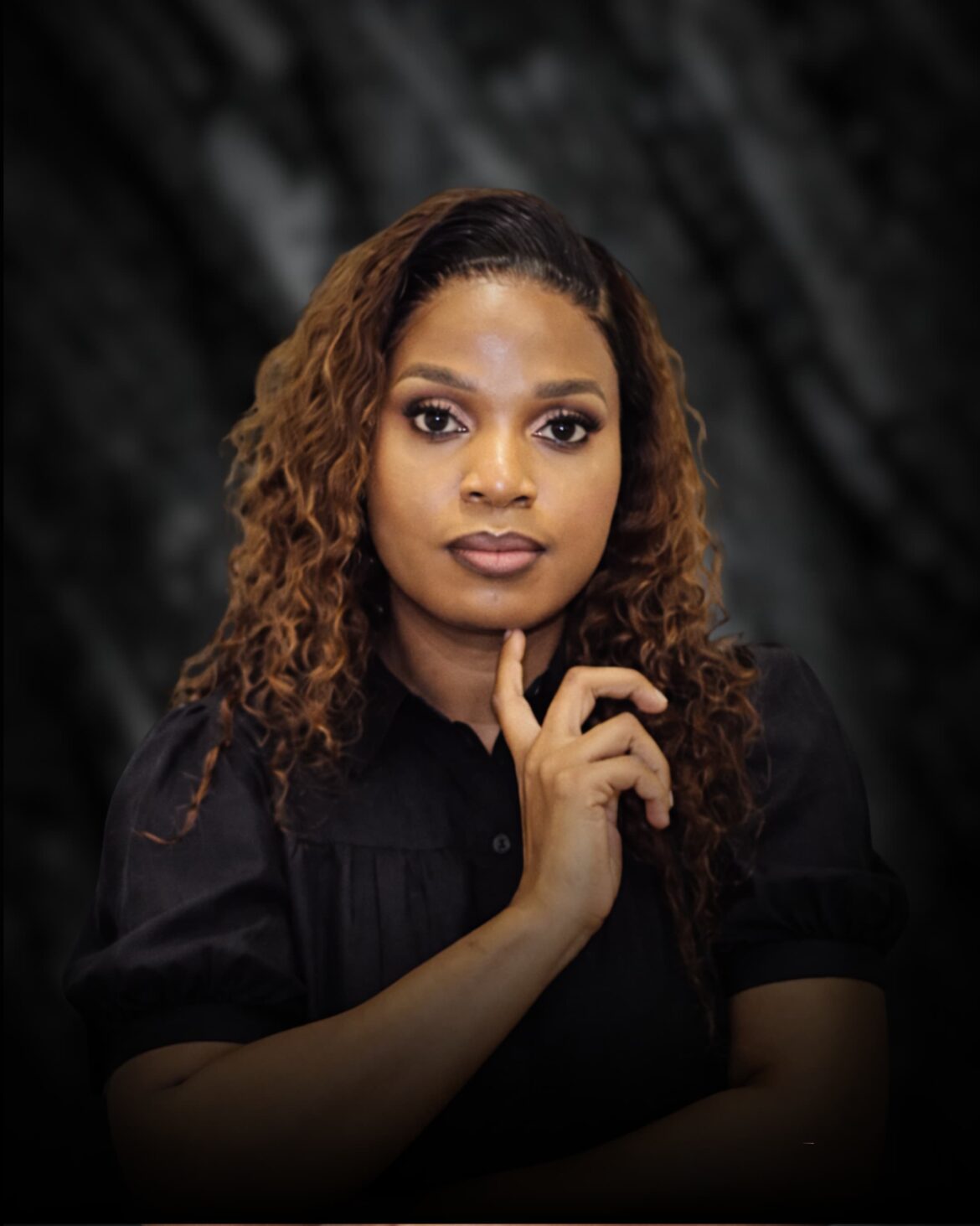
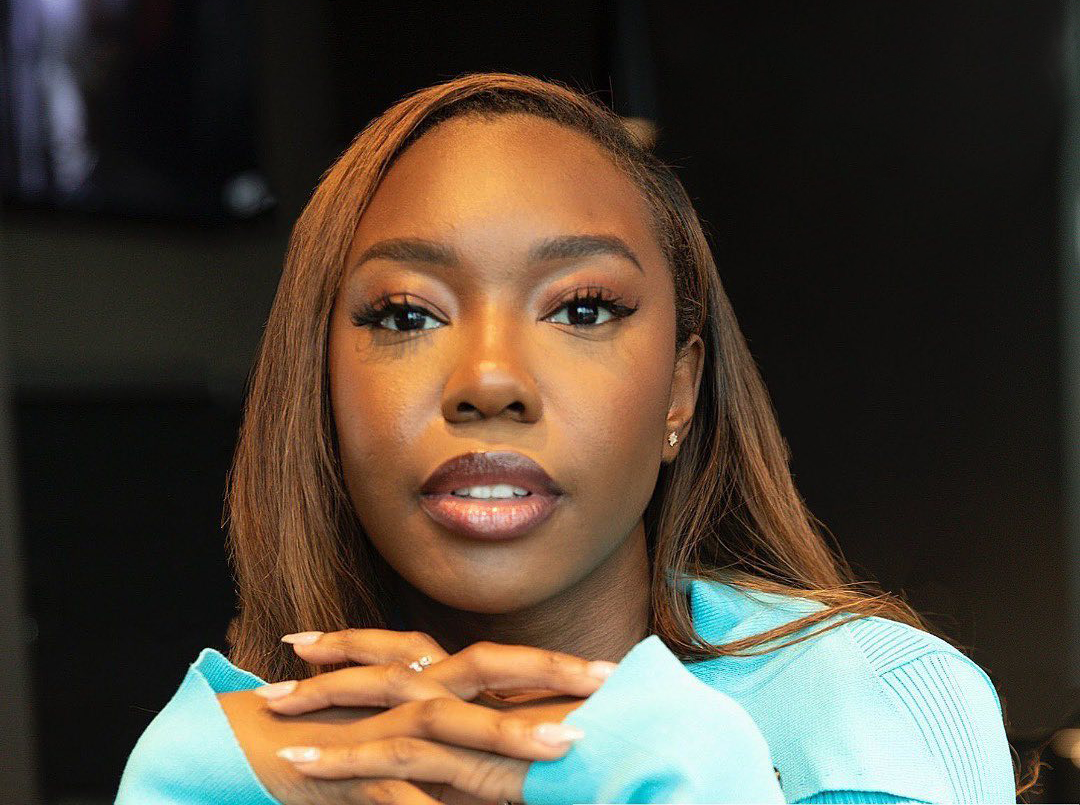
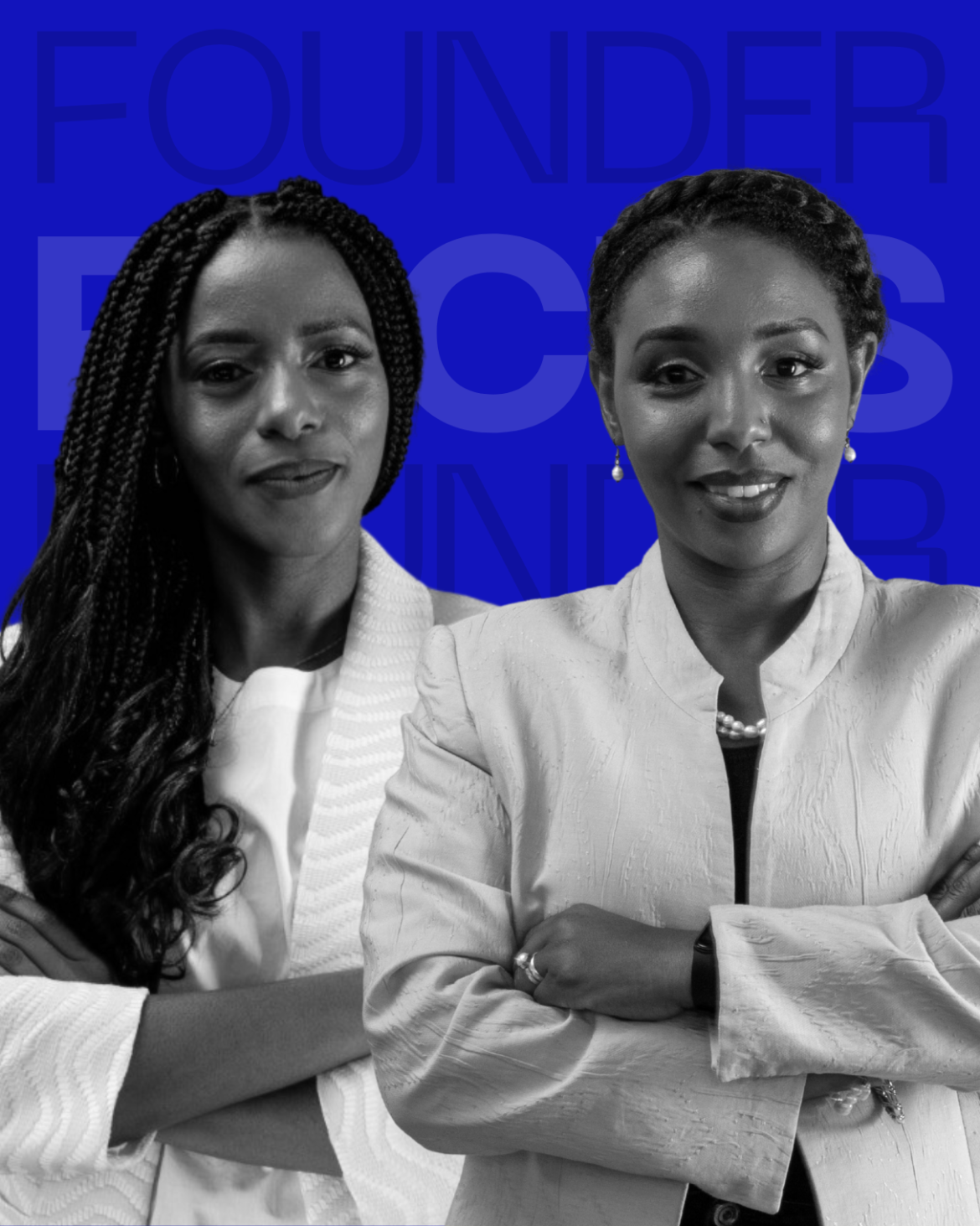
The answer extends far beyond content itself for Muthoni Waigwa and Nyatetu Kiragu, co-founders of NW Plus TV, a video-on-demand streaming platform launched by Nifty Works Plus Limited, a creative agency with more than a decade of experience in African media and storytelling.
While conversations around African media often focus on production, talent and visibility, the pair believe the continent’s greatest challenge lies elsewhere. Distribution, accessibility and ownership remain some of the most significant barriers facing African storytelling today.
“Whoever owns distribution shapes the narrative,” says Kiragu.
It is a belief that sits at the centre of NW Plus TV. The platform focuses on African-centred content, curating original and exclusive titles rooted in cultural authenticity, heritage and lived experiences from across the continent. Since launch, NW Plus TV has built a catalogue of more than 45 titles spanning over 50 hours of content, serving audiences across Kenya, South Africa, the United Kingdom and beyond. Rather than competing directly with global platforms on scale, the company is focused on creating a dedicated home for stories rooted in African experiences, cultures and languages.
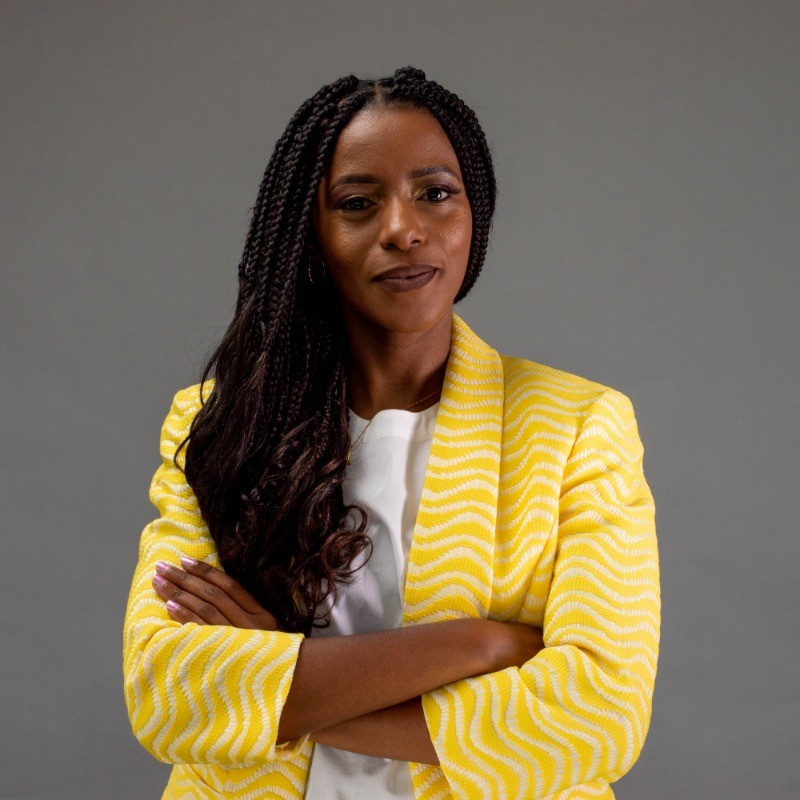
“One of the biggest gaps that still exists in this space is authenticity,” Waigwa says. “There is immense value in telling stories that are genuinely African – stories rooted in our rich cultures, heritage and diverse languages.”
For decades, African stories have often travelled through external lenses before reaching global audiences. While international platforms have undoubtedly expanded access to African content, both founders argue that visibility alone does not equate to ownership.
The distinction may sound subtle, but it is increasingly important. Across Africa, conversations about the creative economy often focus on content creation, talent and visibility. Far less attention is given to the systems that determine how stories are distributed, monetised, preserved and discovered. For Waigwa and Kiragu, that infrastructure gap represents one of the continent’s greatest opportunities.
Beyond Visibility
The conversation around African storytelling has matured significantly over the past decade.
Success is no longer measured solely by whether African stories are seen internationally. Increasingly, industry leaders are asking who funds those stories, who distributes them and who ultimately benefits from their commercial success.
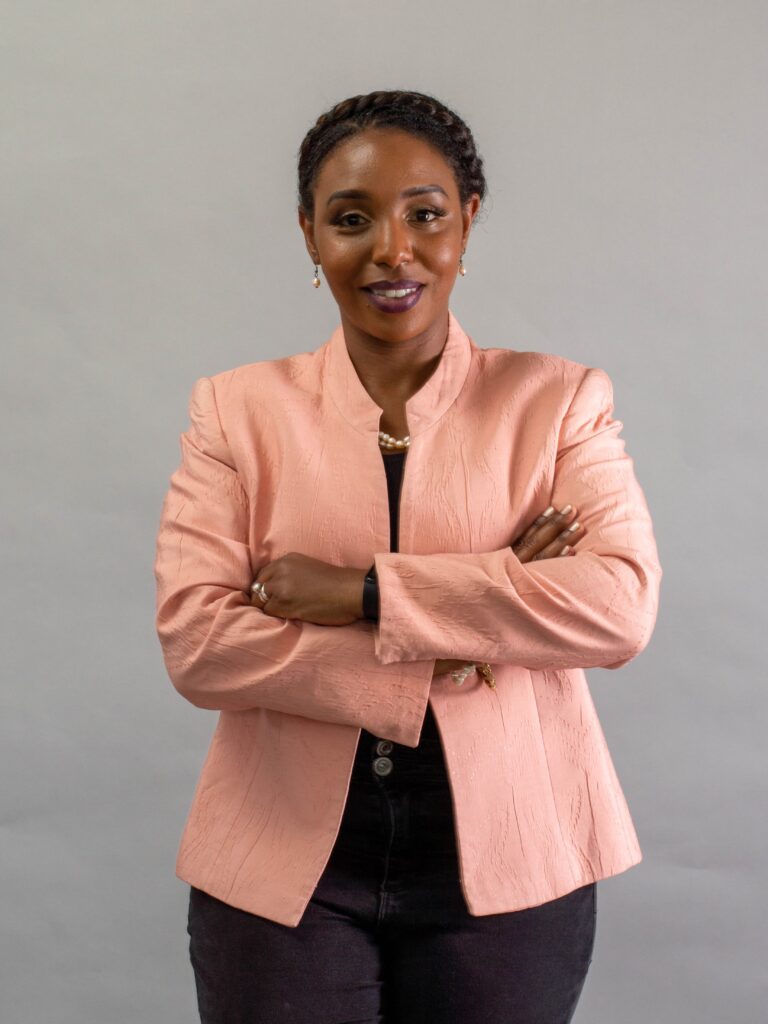
For Kiragu, building an African-owned platform means creating systems that allow African creators to tell stories for African audiences first, while still enabling the rest of the world to engage with them authentically.
Waigwa agrees, arguing that larger global platforms continue to overlook the complexity of African audiences. While many international streaming services have expanded their presence across the continent, she believes much of the content strategy remains designed primarily through a Western lens. The result is that stories can sometimes lose nuance, context and cultural specificity in pursuit of broader international appeal.
African audiences, she stresses, deserve narratives that reflect their realities and aspirations without compromise.
That commitment to intentional storytelling shaped NW Plus TV from the beginning.
The co-founders were not interested in building another platform designed around algorithms, virality or fleeting trends. Instead, they focused on creating a space where African stories could exist on their own terms.
“We are not trying to replicate what larger global platforms are already doing,” says Kiragu. “Virality comes and goes. Culture lasts.”
Building More Than A Streaming Platform
What emerges throughout the discussion is that NW Plus TV sees itself as more than a content destination.
Both founders repeatedly return to the idea of ecosystem building.
Across Africa, creative conversations often focus on production while paying less attention to the infrastructure that enables creators to sustain long-term careers. Distribution, monetisation, industry partnerships and audience development remain persistent challenges for many filmmakers and storytellers.
Waigwa believes creators need to think beyond the act of creation itself.
“When creators develop a film, documentary or series, they should be thinking beyond production to the entire lifecycle of that content – its audience, distribution strategy, monetisation opportunities and long-term impact.”
Kiragu takes the argument further, describing NW Plus TV as a bridge between producers, audiences and the wider market.
“Distribution is only one part of the larger conversation,” she says. “There’s also trust-building, visibility, monetisation, partnerships, preservation of culture and long-term industry sustainability.”
This distinction matters.
For many African creatives, visibility remains a milestone. For Kiragu, however, visibility alone is not a business model.
“A sustainable ecosystem is one where creatives can build careers, not just moments.”
The challenge, she argues, is creating structures that allow intellectual property to retain value long after release while ensuring creators, producers and distributors participate meaningfully in that value chain.
The Leadership Challenge
Building a company at the intersection of culture and commerce inevitably requires balancing competing priorities.
Creative ambition must coexist with commercial sustainability. Vision must coexist with operational reality.
Waigwa shares how that tension has fundamentally shaped her leadership approach.
She describes the process as a constant exercise in adaptability, requiring leaders to create environments where creativity can flourish while ensuring the business remains sustainable enough to support that creativity.
Kiragu’s perspective reflects a similar evolution.
“As the company has grown, I’ve learned that leadership is less about controlling every detail and more about creating space for people to thrive.”
The shift, she says, has required greater trust, stronger collaboration and a willingness to allow others ownership within the broader vision.
“Leadership today feels more like stewardship than control.”
The Next Chapter Of African Media
If the co-founders are optimistic about anything, it is the continent’s future audience.
As internet accessibility continues to improve across Africa, both see enormous potential for streaming platforms, creators and media businesses willing to build for the next generation of viewers.
Yet growth alone will not solve the industry’s challenges.
Both co-founders point to the need for stronger continental collaboration, more unified licensing frameworks and greater investment in the systems that support creative industries.
Too often, conversations focus on talent while overlooking the infrastructure that allows talent to scale.
“Imagine what would happen if African creatives could distribute across the continent more seamlessly through a unified licensing structure,” says Kiragu. “It would unlock enormous creative and economic potential.”
For NW Plus TV, success is ultimately measured by something larger than subscriber numbers or catalogue size.
The co-founders speak repeatedly about preservation, representation and cultural ownership.
Kiragu envisions a living archive that captures African life across generations, while Waigwa hopes to build what she describes as the definitive home of African storytelling.
Taken together, their ambitions point towards a broader aspiration, not simply to stream African stories, but to help shape the systems that ensure those stories remain accessible, authentic and owned by the communities from which they emerge.