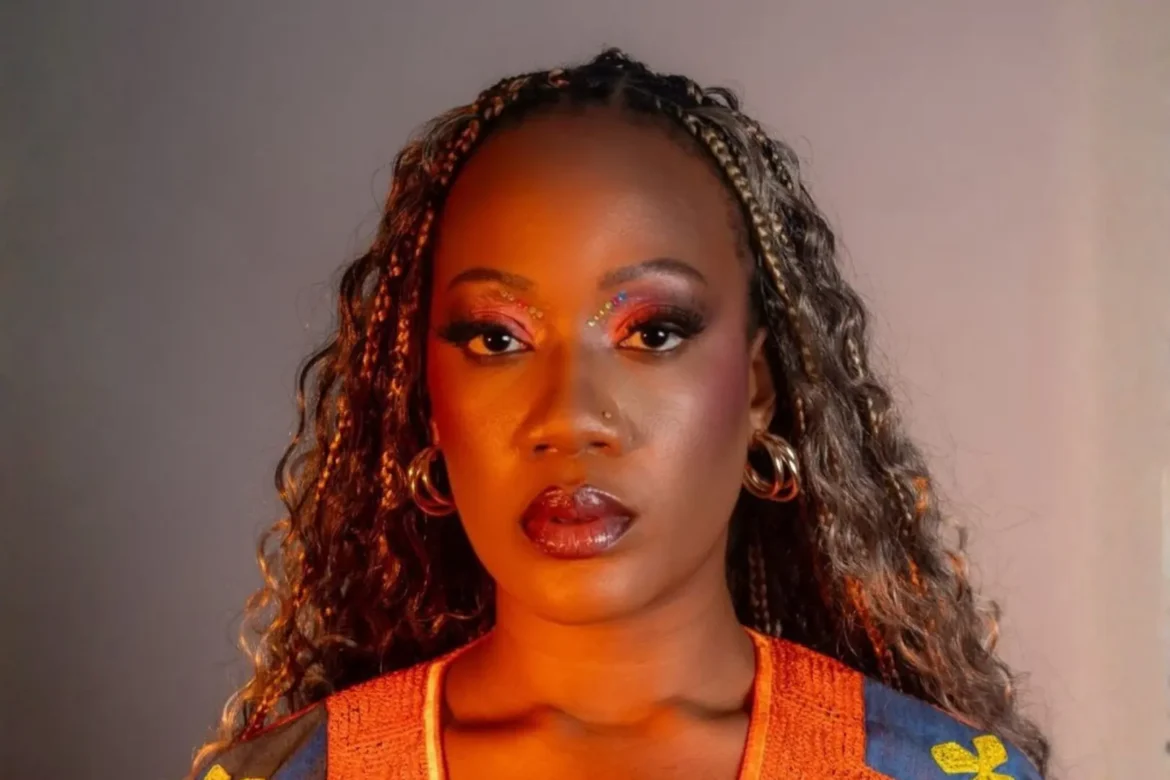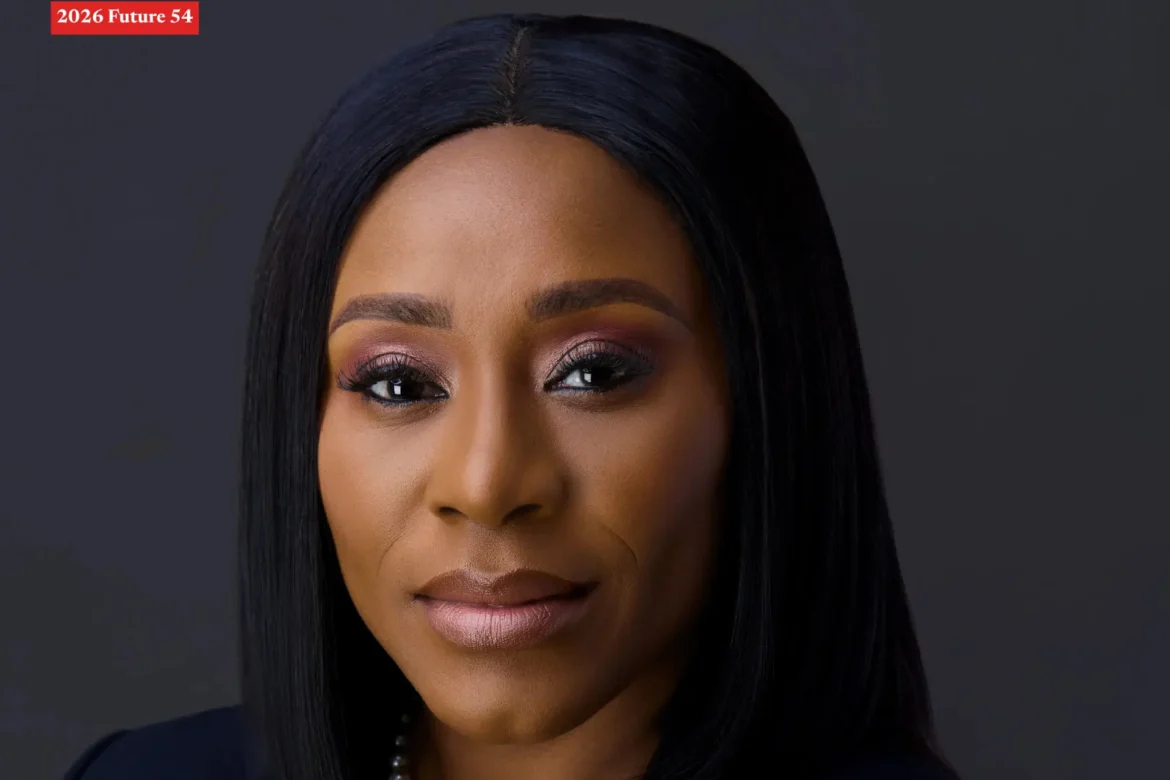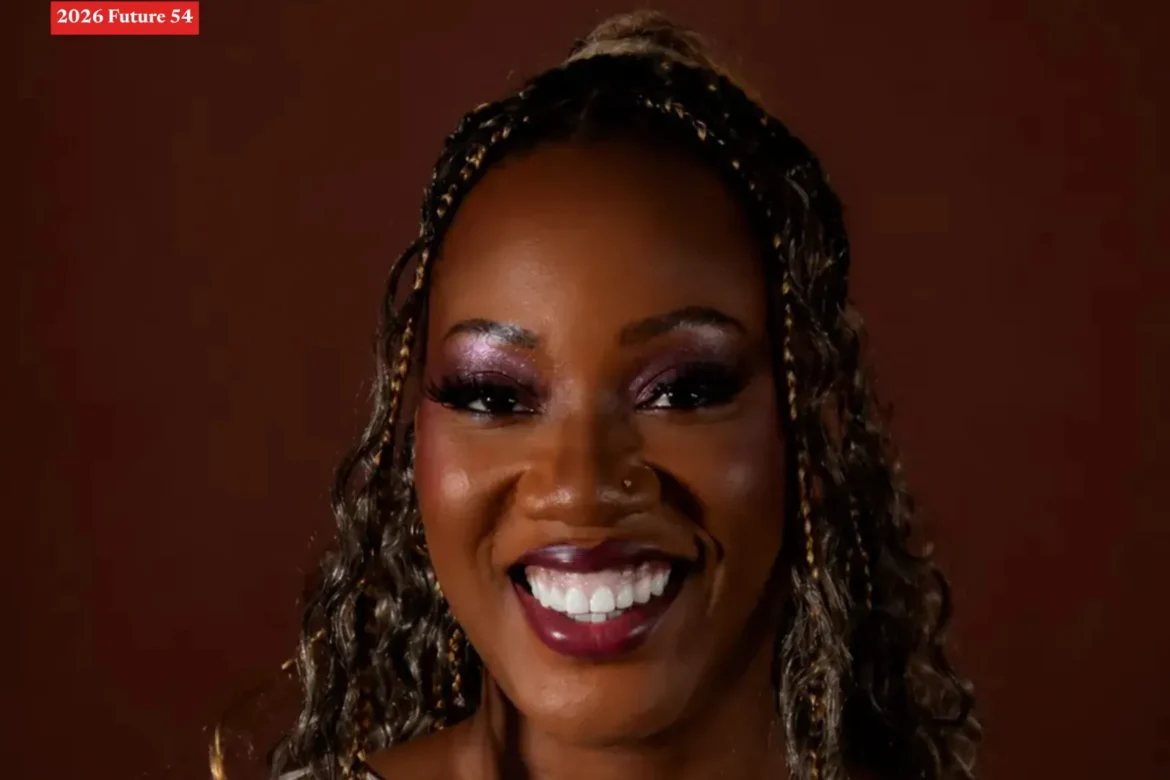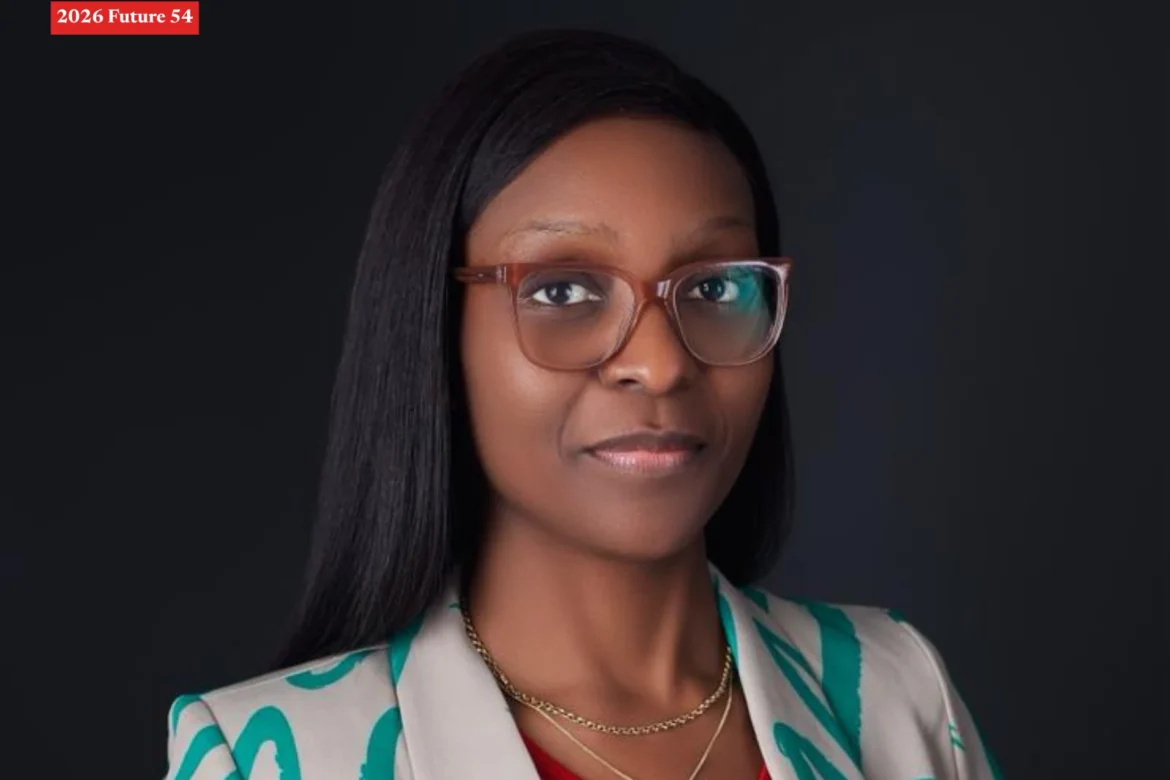

For years, awareness has been one of the most accessible responses to complex social challenges. It can reach millions of people, open conversations and put important issues on the public agenda. But for Mokebe Thulo, awareness is only where the work begins.
As CEO of AWARE.org, South Africa’s national alcohol harm reduction organisation, Thulo is increasingly focused on what happens after a campaign ends: whether people have the support and opportunity to act differently, whether the systems around them enable that change and whether the interventions designed to help are actually making a difference.
It is a perspective shaped by more than 15 years in strategic brand leadership, advertising, marketing, communications and behavioural insight, and one that has evolved significantly since she moved from AWARE.org’s Head of Brand into its CEO role.
“This CEO role has changed how I think about leadership,” she says. “Leadership isn’t about having all the answers; it’s about creating clarity, asking difficult questions, making decisions and taking accountability for the outcomes, even when you can’t control every variable.”
For Thulo, that accountability also requires a willingness to hold seemingly opposing ideas together. Compassion and accountability, she says, are not opposites. Understanding the realities people face does not mean losing sight of what needs to be delivered.
That philosophy has also changed how she sees AWARE.org’s work. When she stepped into the role, she already believed strongly in education, community engagement and evidence. What has become clearer is how deeply interconnected those elements are.
“A campaign can reach millions but reach alone doesn’t change behaviour,” she explains. “I’m increasingly interested in what happens after the campaign, whether people have the support and opportunity to act differently, and whether the systems around them enable or undermine that change.”
From awareness to action
That distinction sits at the heart of AWARE.org’s work across issues including underage drinking, road safety and fetal alcohol spectrum disorders (FASD).
Thulo describes awareness as “the starting point, not the destination”. Understanding an issue matters, but people also need a reason to care, the confidence and ability to act and an environment that supports change.
Preventing underage drinking therefore cannot rest solely on messages directed at young people. It also involves parents, caregivers, retailers, schools and communities. Road safety requires education, but also enforcement and a justice system capable of following cases through. With sober pregnancies, information needs to be accompanied by practical and emotional support from partners, families, healthcare workers and communities.
The common thread is an understanding that behaviour does not happen in isolation.
“Ultimately, people are more likely to change when they understand why it matters, have the support to make a different choice and know that there is accountability around that choice,” Thulo says.
That approach is also reflected in the organisation’s increasing use of evidence to understand how different audiences experience social issues.
For Thulo, data is not a substitute for human experience. It is a way of understanding it more accurately.
“An 11-year-old and a 17-year-old are both under 18, but their experiences, independence, media consumption, relationships and exposure to alcohol can be very different,” she says. Treating them as one audience, she argues, risks creating interventions that resonate with neither.
“Data shows us the patterns and tells us where to look; people help us understand what those patterns mean in real life. Behind every percentage is a person, a family and a set of circumstances.”
It is a leadership principle as much as a programme principle: the ability to hold the numbers and the lived experience together.
Making partnerships accountable
The complexity of social change also means that AWARE.org cannot work in isolation. Its work brings together government, law enforcement, industry, civil society and communities, making collaboration central to its ability to create impact.
But Thulo has found that partnerships can falter even when everyone agrees on the broader goal.
“Partnerships often fail not because people disagree on the purpose, but because no one owns the next action,” she says.
For her, effective collaboration requires more than shared intentions. It needs a shared outcome, clear responsibilities, named owners, timelines, honest information sharing and the willingness to confront what is not working.
The organisation’s Drive Sober, Stay Alive programme is one example of this approach. Rather than focusing only on awareness or arrests, AWARE.org is looking at the full journey, from evidence collection and coordination through to whether cases actually progress through the justice system.
The emphasis is on learning before deciding what should change or expand.
“For me, accountability means being able to say what we intended to do, what we did, what we learned and, most importantly, what we will do differently as a result,” she says.
Holding people and systems accountable
That same thinking informs some of AWARE.org’s most sensitive work, including its efforts around sober pregnancies.
Thulo is clear that the science around alcohol use during pregnancy is not ambiguous, but she also believes that responsibility cannot rest solely on the pregnant woman.
Partners, families, healthcare workers, communities and public systems all influence the environment in which individual choices are made.
“Accountability is not the same as blame,” she says. “Blame closes conversations and can deepen stigma; accountability asks what each of us can do differently.”
For Thulo, leading these conversations means combining clear facts with dignity and practical action. The question cannot simply be what a woman should do. It must also ask what those around her are doing to make healthier choices possible.
Leading beyond the message
Perhaps the clearest evolution in Thulo’s leadership is the distance she has travelled from being responsible for the message to being accountable for what happens beyond it.
Her background in brand management taught her to listen closely, understand what drives people and turn those insights into ideas that resonate. But leading AWARE.org has expanded that responsibility.
“I’ve learned that the narrative has to survive contact with reality,” she says. “You can have a compelling strategy, but if the implementation is weak, communication cannot compensate for it.”
As CEO, she has to consider whether a strategy is properly funded, whether partners can deliver, whether the evidence is sound and whether the work is creating value.
That has made her less interested in activity for its own sake and more interested in outcomes, learning and adaptation.
“I want to know what changed, what we learned and what we need to do differently.”
It is a deceptively simple measure, but one that captures the leadership philosophy emerging from Thulo’s work at AWARE.org: meaningful social change requires more than saying the right thing. It requires understanding people, building the conditions for change, bringing the right partners to the table and having the courage to ask whether what you are doing is actually working