
African fashion has never needed to wait for the world to tell it what sustainability looks like. Across the continent, designers and makers have built businesses around local materials, community-based production, longstanding supplier relationships and models that create economic value far beyond the finished garment.
What has been harder is proving it.
As the global fashion industry moves towards greater transparency, traceability and accountability, African brands are increasingly being asked to document the environmental and social impact behind their products. For businesses already doing the work, the challenge is often not becoming more sustainable. It is finding the infrastructure to capture, organise and evidence what is already happening.
That is the problem OneThread.Africa is tackling with its newly launched sustainability infrastructure platform.
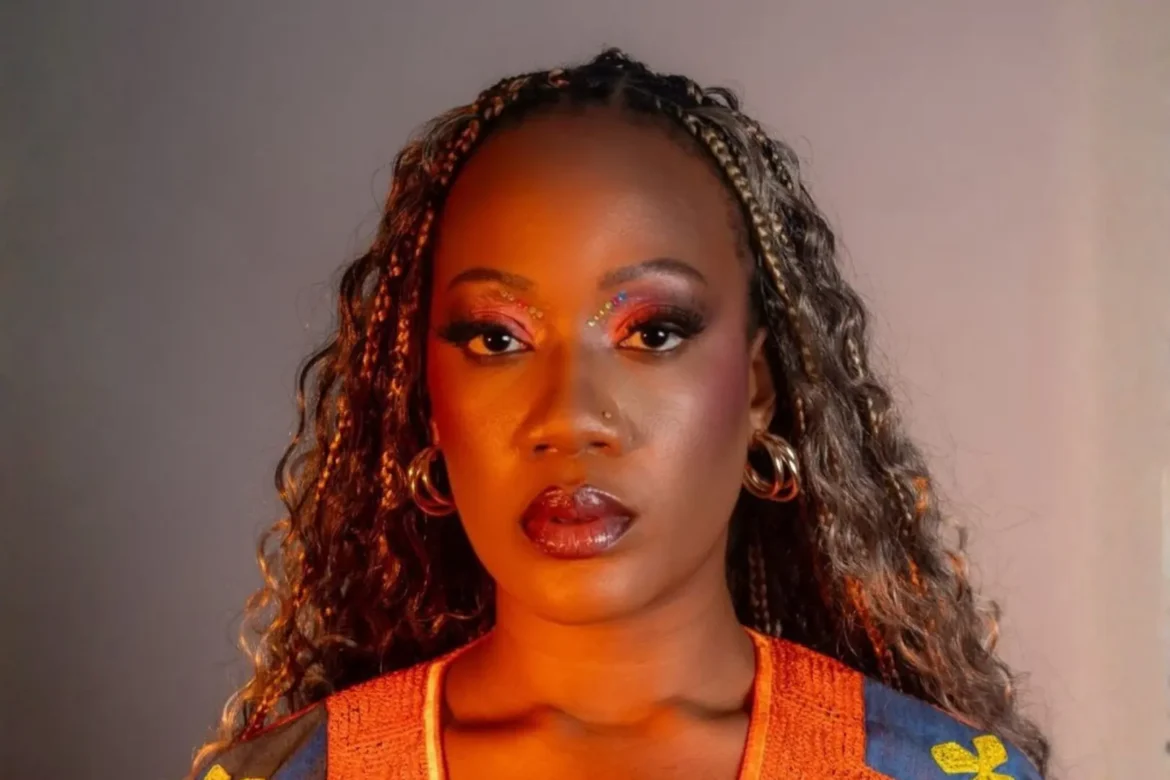
The South African fashion technology company, founded by Nyaniso Tutu-Burris, has officially launched its platform to help African fashion businesses understand their sustainability performance, identify evidence gaps and build the information needed to substantiate their impact.
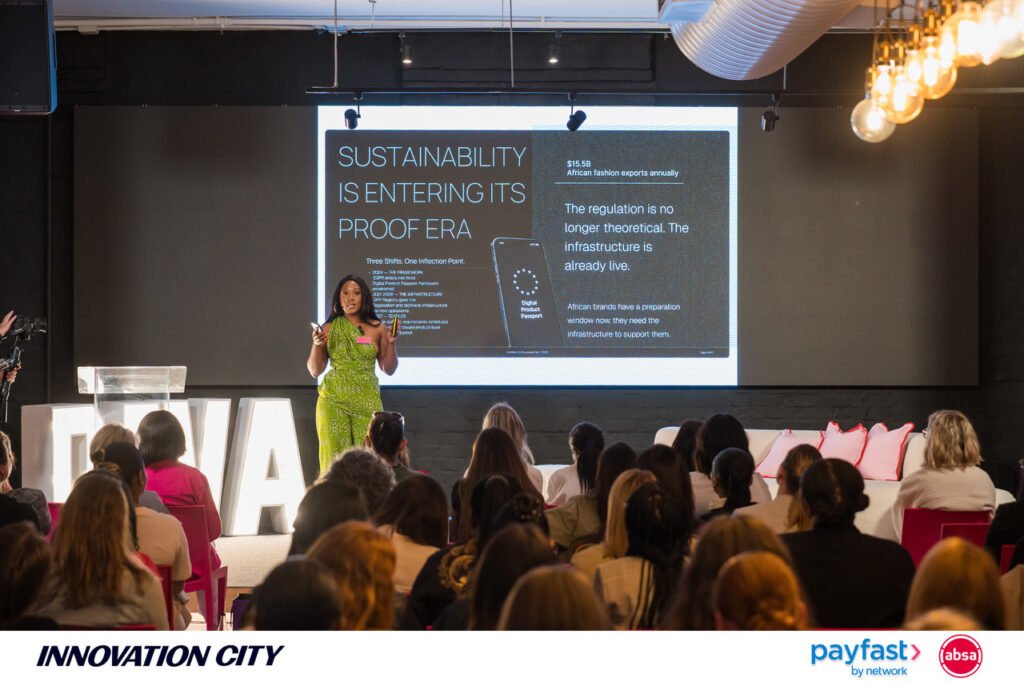
“The question, then, is not whether African brands are already creating sustainable value. It is whether the systems exist to recognise it, capture it and prove it,” says Tutu-Burris.
It is a question that sits at the heart of OneThread’s approach.
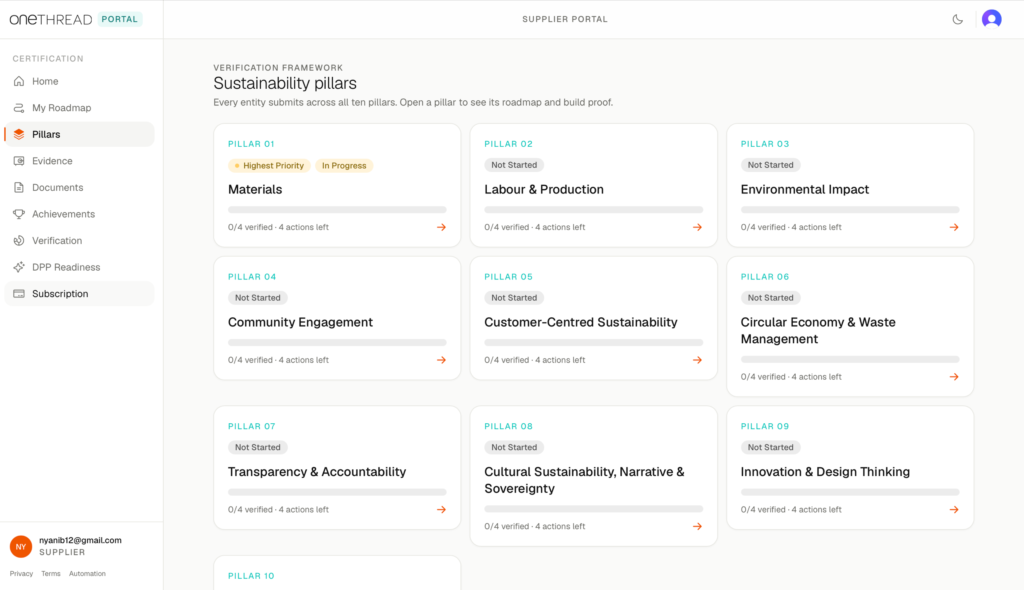
The platform brings together a 10-pillar sustainability framework, operational data systems, evidence architecture and verification tools, giving brands a way to start turning sustainability from a broad claim into something that can be documented and measured.
At the centre of the platform is an 80-question Sustainability Quotient, which assesses a brand across 10 areas of sustainability and helps identify existing strengths, gaps in evidence and areas where further infrastructure may be needed.
The need for this kind of system is becoming more urgent as the rules governing global fashion change.
The European Union’s move towards Digital Product Passports for textiles and apparel is part of a broader shift towards products carrying more detailed information about their materials, origins and supply chains. For African brands selling into international markets, the ability to understand and substantiate what happens throughout their production processes will become increasingly important.
“The infrastructure of international trade is changing,” says Tutu-Burris. “Product information, traceability, verification and increasingly digitised compliance systems are becoming more important.”
For many African businesses, however, preparing for that future is not simply a matter of adopting another compliance process.
A designer preparing a bridal gown, a small team fulfilling an order or a maker working with local suppliers may already be generating valuable sustainability data without formally recording it as such. Invoices, supplier records, production notes and other information can contain evidence of the environmental and social value being created, but that evidence often remains scattered across the business.
OneThread is designed to help brands capture that information as they go, rather than trying to reconstruct it when a buyer, regulator or market requires it.
The opportunity is particularly significant in African fashion, where value chains can look very different from the models around which many global sustainability systems have been developed.
One Kenyan brand that has taken the OneThread assessment, for example, involves more than 300 people in the production of a single garment. Materials are sourced locally and the production process connects a network of people within a local value chain.
The sustainability value of that model is tangible. But demonstrating it to a global system requires evidence that can be understood and verified.
“The challenge is not that this value does not exist; it’s that global sustainability systems increasingly require it to be documented in forms they can recognise,” Tutu-Burris says.
That distinction is important to OneThread’s mission. Rather than approaching African fashion as an industry that needs to be taught how to become sustainable, the platform starts from the premise that brands across the continent are already creating value – and need better tools to understand and demonstrate it.
Tutu-Burris brings more than six years of research into sustainability practices across Africa to the work. Before founding OneThread, she led Kijani Ajabu, a sustainable fashion brand focused on creating economic opportunities for women while responding to the environmental and social costs of fast fashion.
That experience ultimately led her to a larger question about the infrastructure surrounding African fashion: how can businesses connect the realities of their products and supply chains to an increasingly data-driven global economy?
OneThread is her answer.
The platform is now live and the company is actively onboarding its first pilot cohort. African fashion brands can begin by taking the Sustainability Quotient assessment, which provides an entry point into understanding their current sustainability practices and expressing interest in joining the pilot.
A call to African fashion founders
For fashion founders in our community, OneThread’s launch presents an opportunity to start preparing for a shift that is already underway.
Whether your sustainability story is built around local sourcing, responsible production, circularity, community impact or the people behind your supply chain, the next step is being able to document that story with evidence.
As Tutu-Burris puts it: “The direction of travel is clear: businesses selling into increasingly regulated markets will be expected to know more about their products and supply chains and to be able to substantiate more of what they claim.”
African fashion brands interested in exploring the platform can take the OneThread Sustainability Quotient and express their interest in joining the pilot.
Learn more about OneThread.Africa