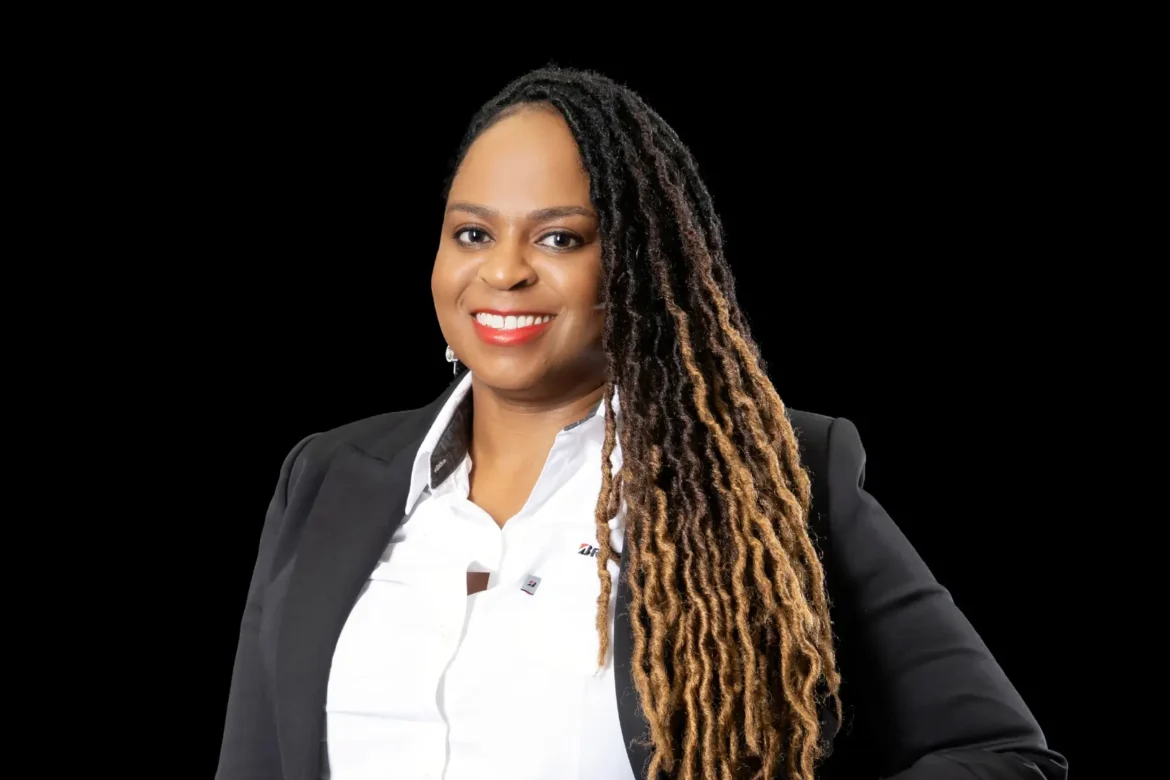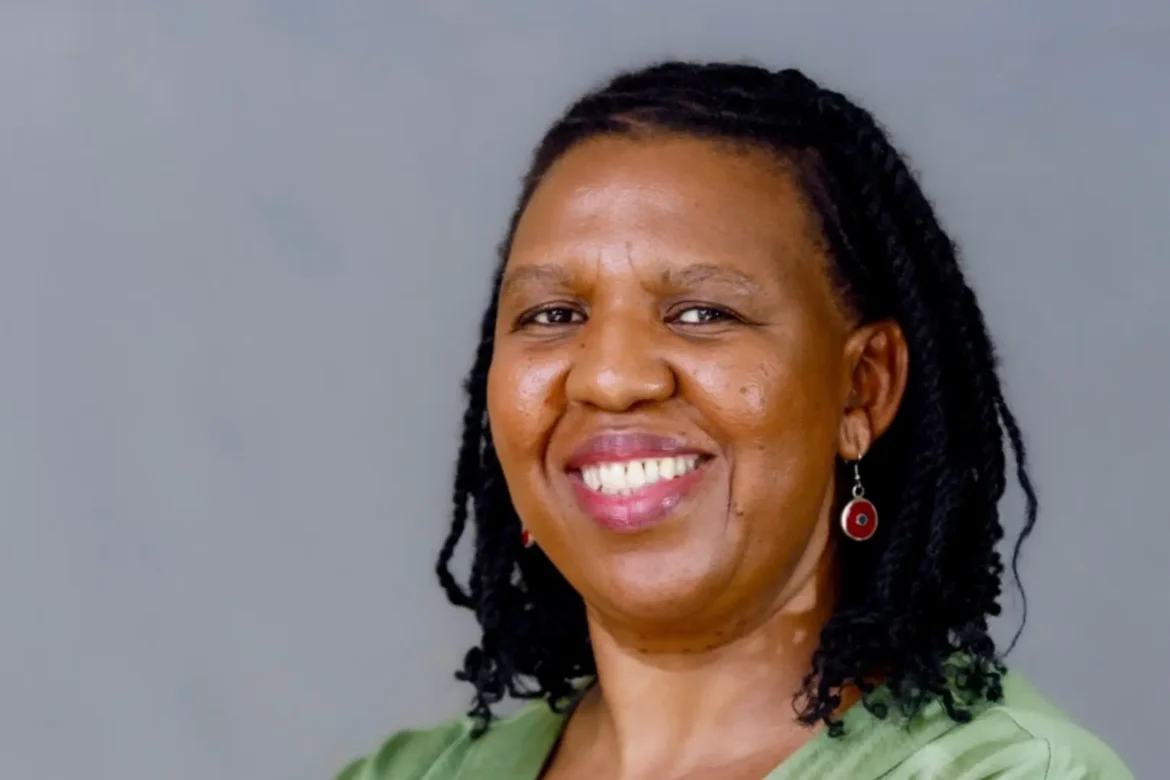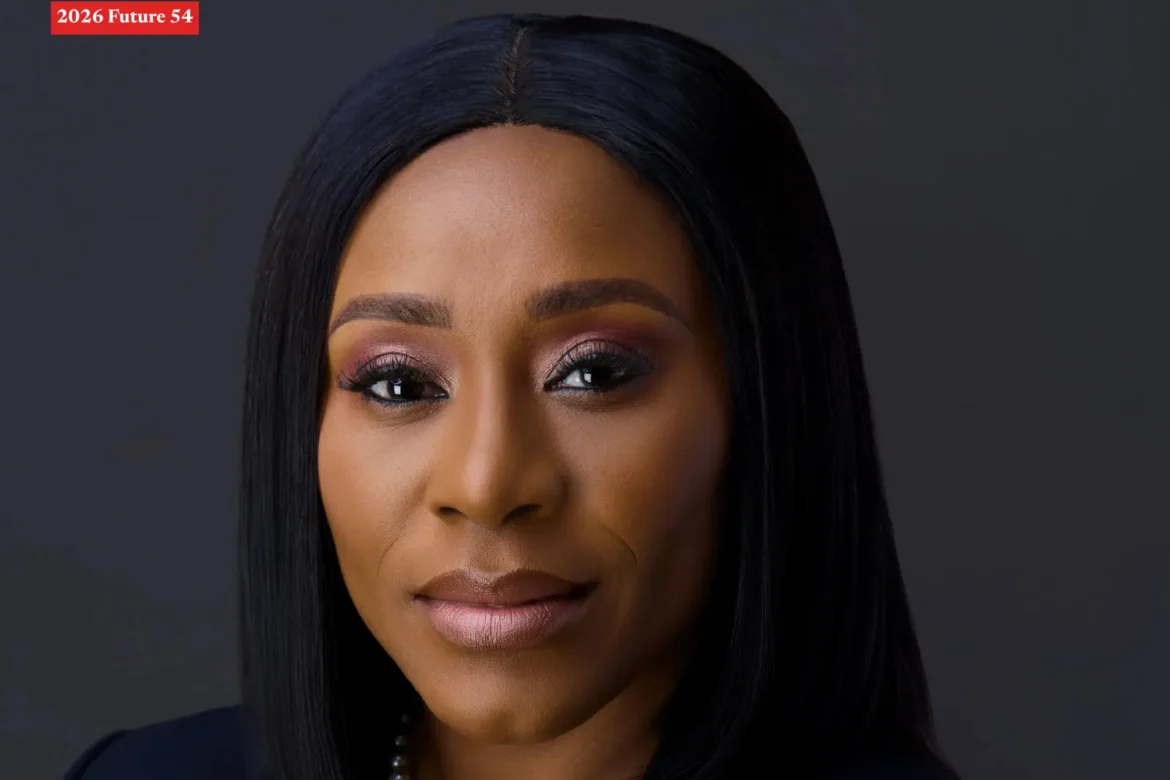

Aviation is often measured by the destinations it connects, the aircraft it operates and the passengers it carries. But for Ruth Chukwueke, its significance extends far beyond the flight itself. As an aviation strategist, she sees an industry with the potential to reshape how business moves across Africa, connecting markets, investment and people in ways that can unlock greater economic opportunity.
Her work focuses on strengthening African aviation through strategic engagement, industry collaboration and conversations about the sector’s future. Through projects involving stakeholders across African countries, engagement with regulatory bodies and advisory work with industry leaders through Aerostrat Africa, Chukwueke has developed a perspective that looks beyond individual operations to the broader ecosystem in which aviation functions.
That perspective is central to her vision for a more connected, competitive and globally influential African aviation industry. Achieving it, she believes, requires more than infrastructure and technology. It demands stronger regional cooperation, investment in people and a shared commitment to professional standards.
Speaking to Director Woman, Chukwueke reflects on her journey from operational experience to broader strategic conversations, the lessons behind her book Beyond the Cabin and the opportunities to build an aviation industry that serves Africa’s ambitions.
Aviation as economic infrastructure
DW: What does an aviation strategist actually do, and why should we understand aviation as more than transportation in Africa?
RC: For me, it is about looking beyond the aircraft. I look at how aviation connects business, people, investment and opportunities, and how we can make the industry work better, particularly within the African context.
We often think of aviation as transportation. I see it as economic infrastructure. Aviation connects markets, capital, people and opportunities. If Africa gets connectivity right, it can change how business moves across the continent.
My work focuses on strengthening African aviation through strategic engagement, industry collaboration and conversations about the sector’s future. I have worked on projects with stakeholders in different African countries, including regulatory bodies, and have advised African industry leaders through Aerostrat Africa. I have also contributed to roundtable discussions across the continent on the future of African aviation.
I have undertaken projects with European stakeholders as well, which have offered useful perspectives for my work.
These experiences have reinforced my belief that we need to look beyond individual operations and focus on the bigger picture: policy, people, standards, investment and connectivity. My vision is to contribute to a more connected, competitive and globally influential African aviation industry.
DW: What do high-net-worth clients and business leaders need from aviation beyond the flight itself?
RC: They need more than a good flight. They need time, privacy, discretion and seamless execution. At that level, the experience around the flight is just as important as the flight itself.
DW: Why do people matter as much as aircraft and technology?
RC: Because aviation is ultimately a people business. You can have the best aircraft and infrastructure, but if the people behind them lack the right skills, discipline and mindset, the experience will suffer.
Creating space for people to lead
DW: Where do women still face barriers in aviation, and how has your own journey shaped your approach to leadership?
RC: Access is still a big one: access to leadership, decision-making spaces and opportunities. But I am seeing more women move into technical, strategic and leadership roles. My own journey has taught me that sometimes women do not lack capability; they simply need the opportunity to demonstrate it.
For me, it has been a journey rather than one defining moment. Moving from an operational background into broader strategic conversations has taught me that credibility is built through knowledge, preparation and the value you bring to the table. I have learned the importance of being confident in my perspective and allowing my work to speak for itself.
Today, I believe leadership is not just about earning a seat at the table; it is about contributing meaningfully once you are there and helping create opportunities for others to do the same.
DW: What concerns you about Africa’s aviation talent pipeline?
RC: We need to think beyond training people for jobs. We need to develop people for leadership. We need stronger pathways into strategy, management, business aviation and policy. If we want a stronger industry, we have to invest in the people who will lead it.
This means looking at the capabilities the industry will need in the future and ensuring that professionals have opportunities to develop beyond their immediate roles. A stronger aviation sector depends on people who can contribute to its operations, but also understand its commercial, strategic and policy dimensions.
The lessons beyond the cabin
DW: You wrote Beyond the Cabin to share lessons from your aviation experience. What inspired the book, and what has it made possible?
RC: I wanted to document what aviation had taught me beyond the technical side of the job. The cabin taught me about discipline, leadership, discretion and service. I wanted people to see that there is a lot more happening behind exceptional service than what the passenger sees.
Publishing Beyond the Cabin has given me a platform to share lessons from aviation that extend beyond the cabin itself, particularly around leadership, discipline, discretion and service excellence.
I want to build on these lessons through my advocacy for African aviation excellence, contributing to industry conversations, professional development and the advancement of standards across the sector. My focus is on helping shape an aviation industry that invests in its people, values excellence and creates opportunities for the next generation.
For me, the book was never just about telling a story. It was about starting a conversation, and I want that conversation to lead to meaningful change.
Building a more connected African aviation industry
DW: You describe fragmentation as a challenge for African aviation. What does this look like in practice, and what needs to change?
RC: Fragmentation happens when countries, institutions and industry stakeholders operate in isolation rather than as part of a connected ecosystem. This can limit collaboration, complicate regional connectivity and make it harder to unlock aviation’s full economic potential.
I believe stronger regional cooperation is essential. We need closer alignment between policy, regulation and industry priorities, alongside practical partnerships across borders. African aviation will make greater progress when we begin to see connectivity as a shared economic opportunity rather than simply a national concern.
DW: Despite these challenges, what gives you optimism about the future of African aviation?
RC: The people. I am seeing more ambitious African aviation professionals, stronger conversations and more willingness to collaborate. But we cannot ignore fragmentation. Africa needs to think more collectively about aviation. We need an ecosystem, not isolated success stories.
DW: Five years from now, what would you want to have changed?
RC: I would like to see a more connected, professional and globally competitive African aviation industry, particularly when it comes to people and standards. And I want to know that I played a meaningful part in that, not just by talking about the change, but by building, connecting and creating platforms that help move the industry forward.
Responses have been editied, for clarity, flow and length.