
In a world where organisations have more opportunities than ever to reach an audience, standing out is no longer the only challenge. Visibility has become easier to buy, manufacture and measure. But being seen does not necessarily make an organisation influential, trusted or worth listening to. For public relations, the bigger opportunity is no longer simply getting clients into the conversation.
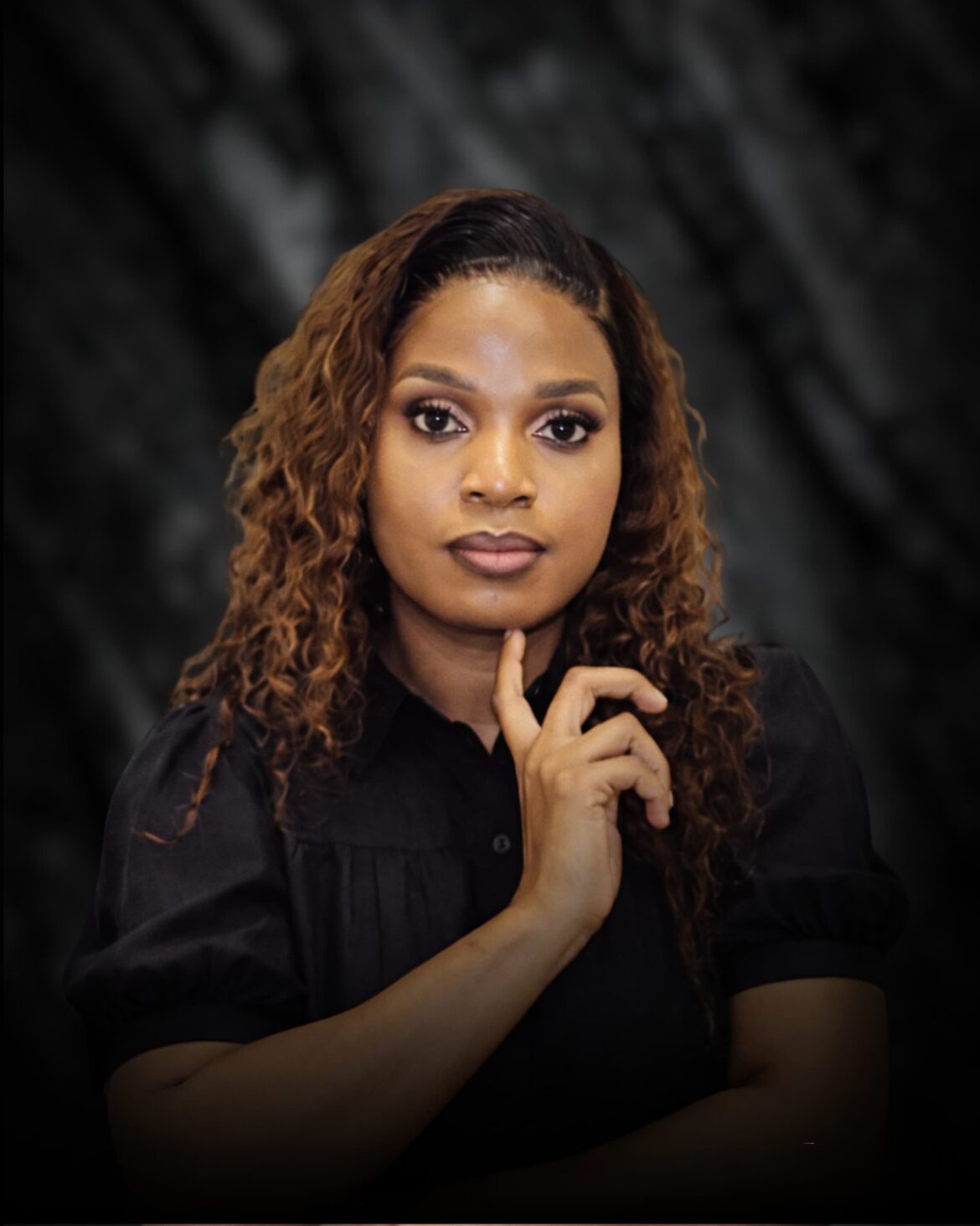
Madelain Roscher, founder and CEO of multi-award winning agency PR Worx, believes the industry needs to rethink what it sells. As the agency marks 25 years in business, her argument is that PR must move beyond media coverage and content production to build the credibility, expertise and influence that give organisations genuine authority.
From visibility to authority
For years, PR’s value has often been measured through coverage, reach and engagement. But Roscher believes these measures tell only part of the story. The real test is whether communications help an organisation earn trust, influence decisions and become a recognised voice in its field.
“Agencies need to stop selling volume and start selling authority,” she says. “Ten forgettable press releases will lose to one story a respected journalist actually wants to write.”
That means understanding the difference between being visible and being influential. Authority is built when an organisation has something meaningful to contribute, can demonstrate its expertise and is recognised by others as a credible source.
It also requires PR professionals to understand the business behind the message. Roscher argues that communications must have a stronger place in strategic decision-making, rather than being brought in only after decisions have been made.
“Stop asking for a seat at the table and start bringing a strategic business case to it,” she says. “If we are only there to announce it, we are a service. If we help shape it, we are strategic.”
AI is changing the value of earned media
The rise of AI makes this distinction more important. As people use AI platforms to research organisations and industries, the information those systems draw on can influence how businesses are understood.
“AI does not read your adverts. It reads what credible, independent sources say about you,” Roscher says. “The question is no longer ‘Are we visible?’ but ‘When someone asks AI about our industry, are we the answer?’”
For PR Worx, this means helping clients build a consistent public narrative, invest in thought leadership and secure meaningful earned media. Roscher also believes reputation must be supported by evidence, not simply polished messaging.
“Anyone can buy followers. Nobody can buy trust, at least not for very long,” she says.
The agency has added Proof as a fifth P to its marketing framework, emphasising what organisations do, how consistently they do it and who is prepared to vouch for them. For Roscher, authority cannot be manufactured through content volume. It has to be earned.
The people behind the reputation
Building that kind of authority requires more than technology or a strong communications strategy. It requires people with commercial understanding, sound judgement and the confidence to challenge clients when necessary.
“AI can write a statement in seconds, but it cannot tell you when to say nothing at all,” Roscher says.
She believes agencies must give emerging professionals meaningful responsibility, expose them to client strategy and invest in their ability to understand the businesses they represent. At PR Worx, junior team members are included in crisis calls and strategy sessions, with the aim of developing judgement through experience.
That commitment to developing leadership also applies within the agency itself. As Shannon Henning steps into the CMO role, Roscher says the change has helped PR Worx become less dependent on its founder, allowing her to focus on senior counsel, strategy and growth.
“Building leadership capacity means handing over real authority, not just a new title and a nicer email signature,” she says.
An African voice in the industry
With independent partnerships across 25 African countries, Roscher also sees an opportunity for agencies on the continent to build greater collective influence. Collaboration, shared standards and cross-border partnerships can help local firms compete for international work without losing the market knowledge that distinguishes them.
“Local understanding is our superpower,” she says. “Global networks often buy that insight from us anyway, so we may as well build the table ourselves.”
For Roscher, the next chapter of PR will reward agencies that can offer strategic counsel, build trust and help organisations become recognised authorities in their fields. The press release and the media placement still have their place, but they are no longer the measure of the profession’s value.
After 25 years in the industry, her closing point is simple: “Reputation is the most valuable asset any organisation owns. It just happens to be the one most people insure last.”