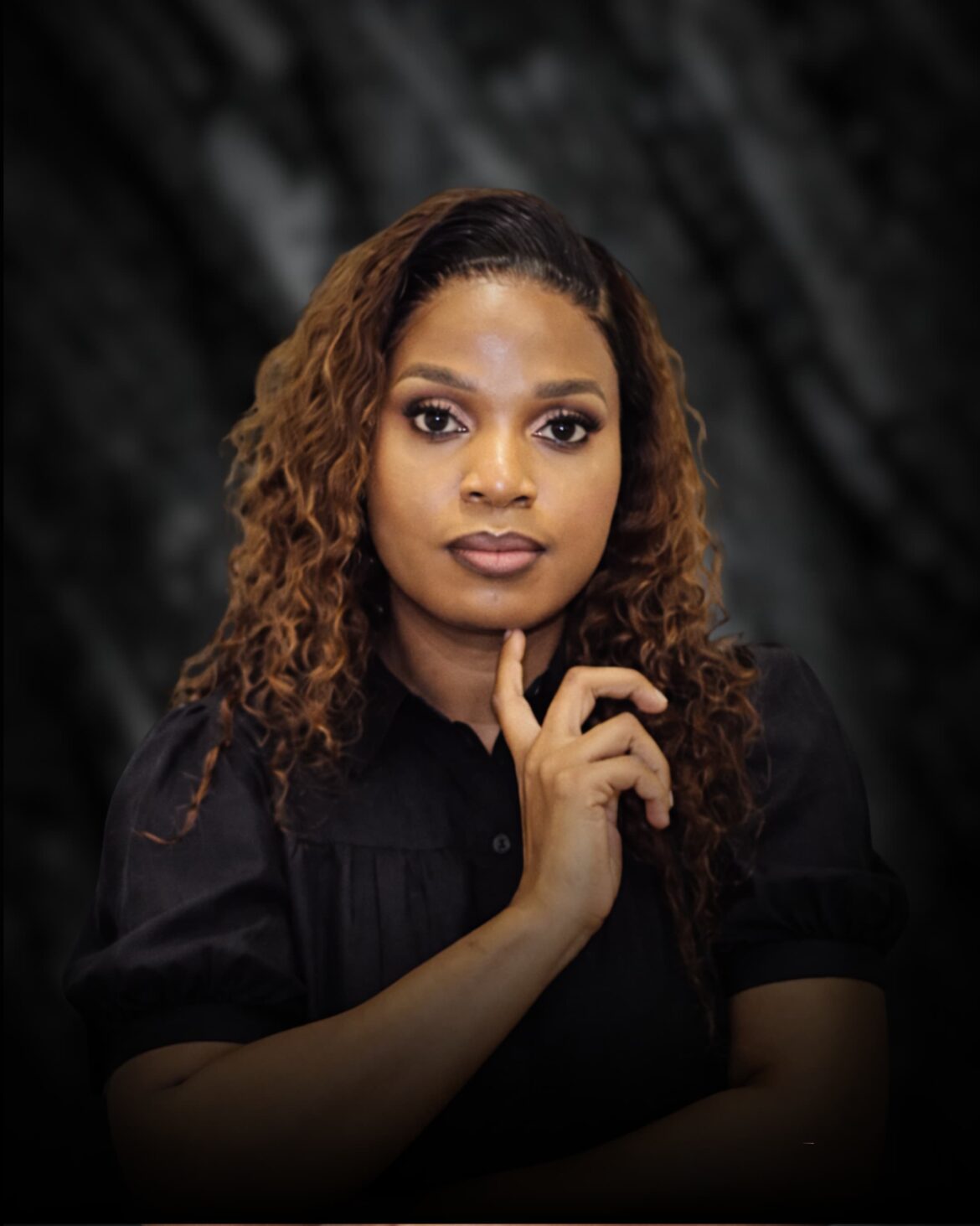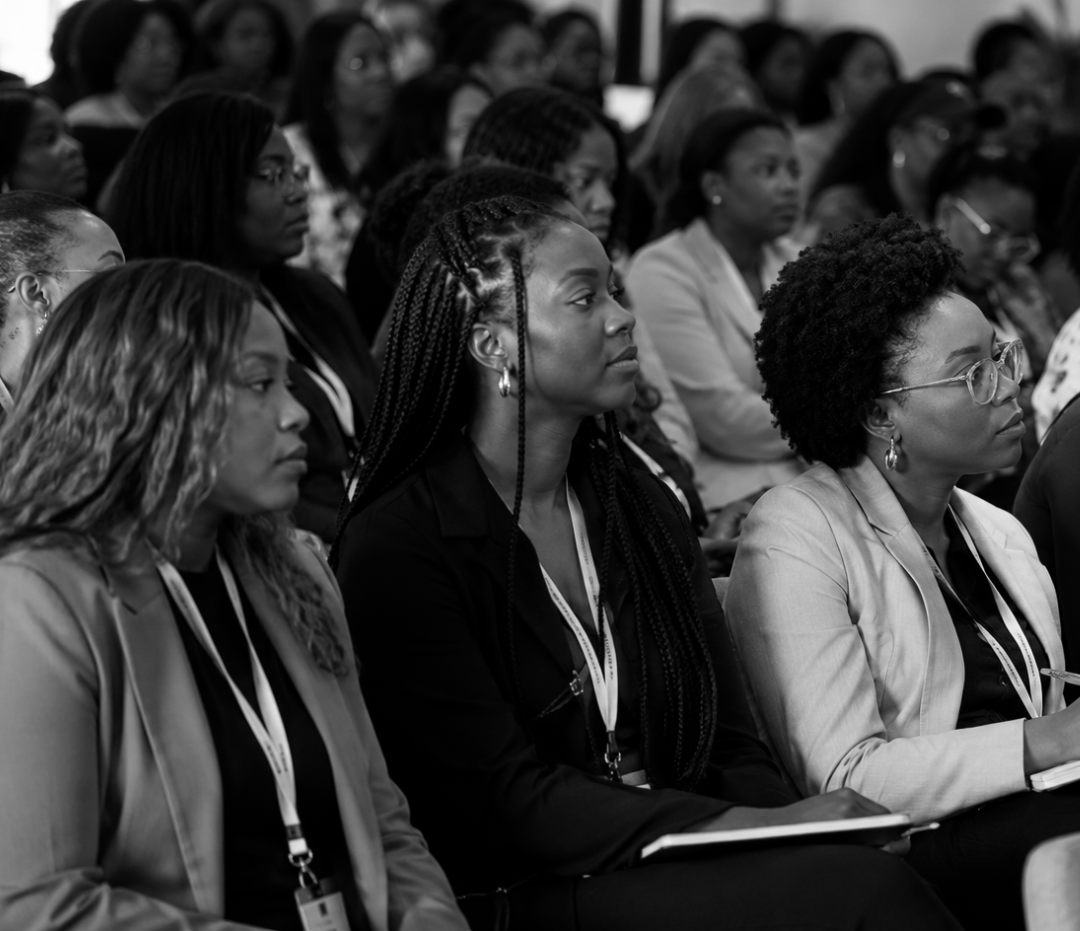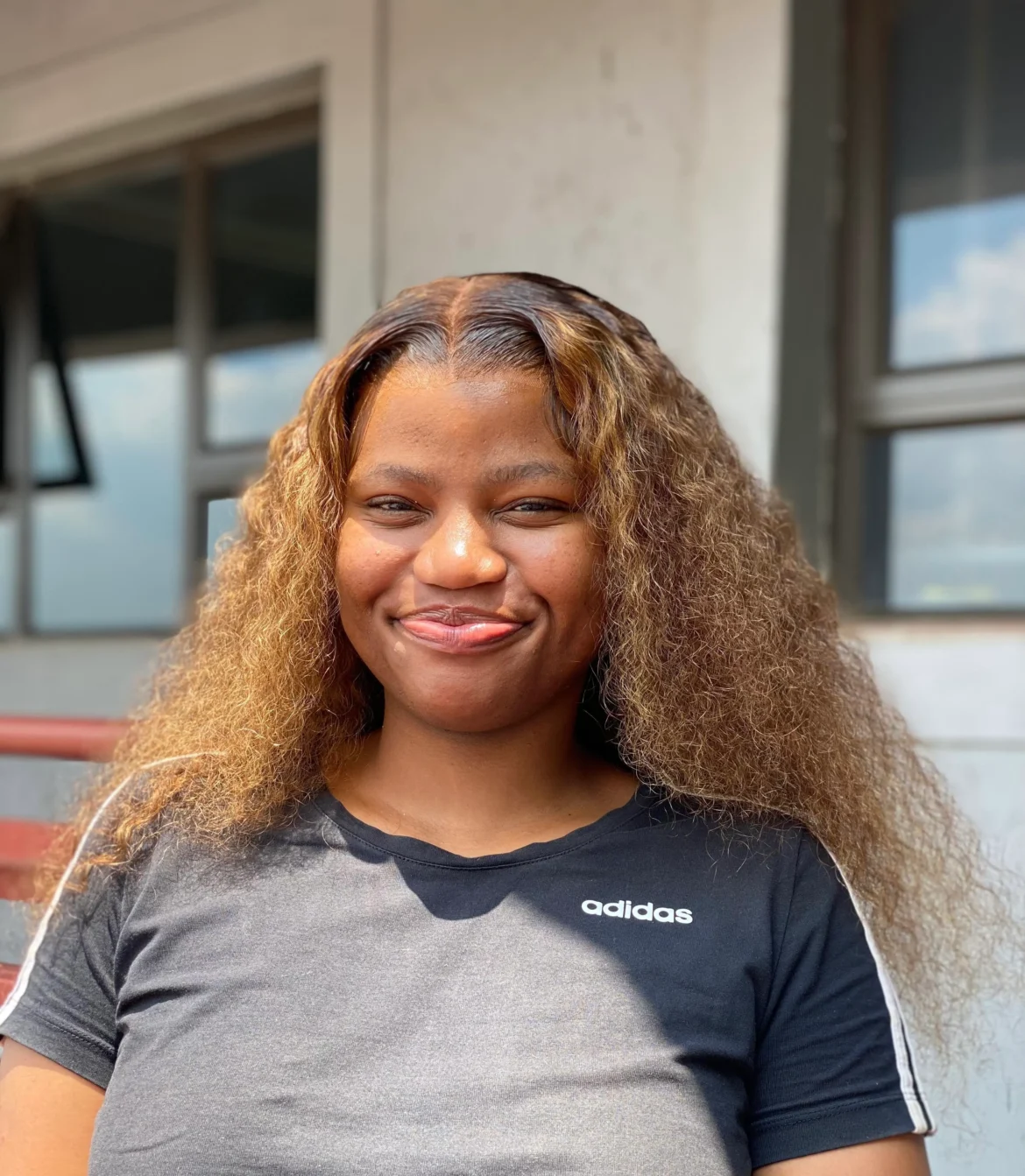

On a summer’s day in Cape Town, Ellie Martheze and her team placed a simple sign along Sea Point Promenade. It read: “If you struggle with mental health, come say hi.”
They weren’t sure whether anyone would stop.
Instead, strangers began approaching them, sharing stories they had never spoken aloud. Some spoke about anxiety, others about grief, depression and the silent battles they had been carrying alone.
For Martheze, it was a defining moment.
“That day made me realise how many people are silently struggling and just need hope and access to support,” she says. “That’s when I realised this is not a brand, it’s a movement to create safe spaces for vulnerability.”
It was a powerful affirmation of the work she had already begun through You Have Purpose, the non-profit organisation she founded after losing a friend to suicide. What started as a deeply personal response to tragedy has evolved into an award-winning organisation delivering evidence-based psychoeducational programmes in schools across the Western Cape while advocating for youth mental health across South Africa.
For Martheze, however, the organisation has never been about awareness alone. It has always been about creating practical solutions.
After losing her friend, she found herself confronting uncomfortable questions about the conversations people never have, the warning signs they often miss and how many individuals quietly carry emotional burdens without support.
That experience shaped the philosophy behind You Have Purpose.
“It has taken the willingness to move from passion to structure,” Martheze explains.
Rather than relying on good intentions, the organisation has intentionally built programmes with measurable outcomes, safeguarding processes and partnerships with schools, educators and parents. Every intervention is evaluated through learner assessments, feedback and ongoing engagement to understand whether it is genuinely making a difference.
“One of the greatest lessons I have learned is that good intentions are not enough,” she says. “We have to continuously ask ourselves, are the people we serve better because we were there?”
That commitment to evidence reflects Martheze’s broader view that conversations about mental health need to move beyond raising awareness.
She believes awareness campaigns are valuable, but they often leave people asking an important question: what comes next?
“We can tell a young person that mental health matters,” she says, “but the more important question is, what happens when that young person goes home and doesn’t know how to explain what they are feeling?”
That question has shaped programmes focused on prevention, emotional literacy and practical coping tools rather than simply encouraging dialogue. The organisation also works with parents and educators because, as Martheze sees it, supporting young people requires strengthening the environments around them.
“Our goal is not simply to start conversations about mental health. It is to help create environments where those conversations can lead to meaningful action.”
While leading You Have Purpose, Martheze has simultaneously built a career in corporate South Africa, working in talent and leadership development. Rather than seeing the two worlds as separate, she believes each has strengthened the other.
Working with leaders inside organisations has reinforced the importance of emotional intelligence, psychological safety and self-awareness. Leading a social impact organisation, meanwhile, has demanded resilience, adaptability and the ability to make difficult decisions with limited resources.
“The common thread between both worlds is people,” she says. “Great leadership is not about having all the answers. It is about having the courage to listen, remaining willing to learn and creating environments where people feel seen, valued and safe enough to contribute.”
That philosophy extends beyond organisational performance. For Martheze, leadership is measured just as much by the experience people have under someone’s leadership as it is by results.
She often challenges leaders with a simple question.
“What does it feel like to be led by me?”
“It’s not only measured by the results we achieve. It is also measured by what happens to people while we are achieving them.”
Her work has earned widespread recognition, including a Top 10 Social Impact Award through the City of Cape Town Business Ignite Programme and a Global 40 Under 40 Award for Mental Health Advocacy and Community Impact. She has also been featured across several South African radio platforms for her advocacy.
Yet Martheze insists the moments that stay with her rarely happen on stage.
Instead, they happen quietly.
A learner writes something in a workshop that they have never been able to say aloud. A parent sends a late-night message explaining that communication with their child has changed. An educator notices a learner showing greater confidence months after participating in a programme.
“Those moments remind me why our work exists,” she says. “For me, that will always be the most meaningful form of recognition.”
Like many founders, Martheze has had to navigate funding constraints, operational pressures and the emotional weight that comes with working in the mental health space. One of her biggest lessons has been recognising that passion alone cannot sustain an organisation.
“When you care deeply about the work, it is very easy to give everything you have to it emotionally, financially and physically,” she says.
Building long-term impact, she has learned, requires boundaries, systems and trusting others to share responsibility.
“If I want to build an organisation that exists beyond me, I have to build structures, empower other people, create jobs and become comfortable with not being involved in every decision.”
Although she admits she is still learning that lesson, it reflects the kind of leadership she hopes to model, one grounded not in individual achievement but in creating something that can outlast its founder.
Looking back, Martheze never imagined where one deeply personal experience would lead. Yet it reaffirmed a belief that now sits at the heart of both her organisation and her own leadership journey: purpose is often discovered in the decision to begin before everything is figured out.
“My journey has taught me that you do not have to wait until you have everything figured out to begin making an impact and realise your purpose,” she says.
Her final message is as much a reminder as it is an invitation.
“You may not always realise the impact your life is having on someone else. Your presence in this world makes a difference and your story is still being written. You have purpose.”