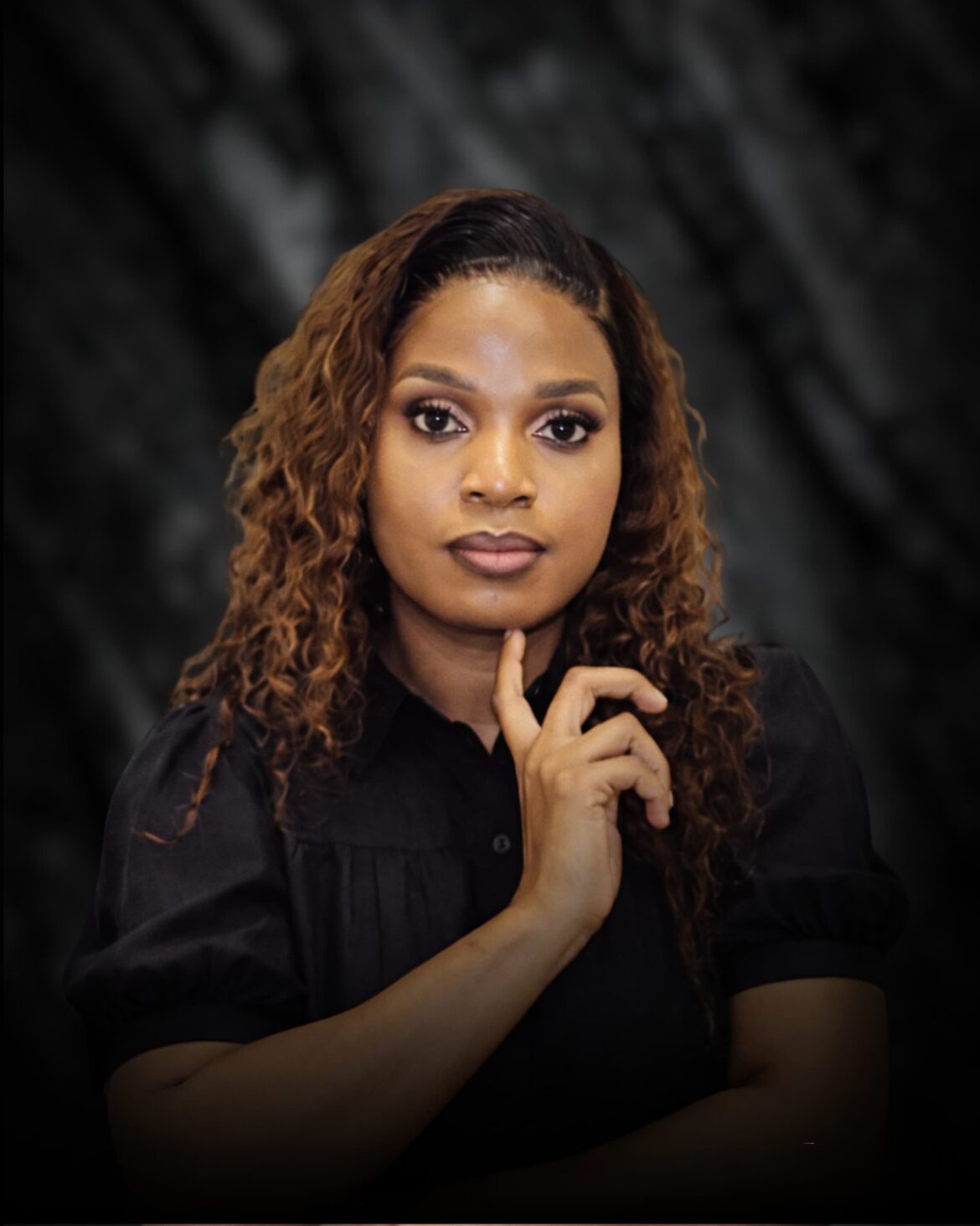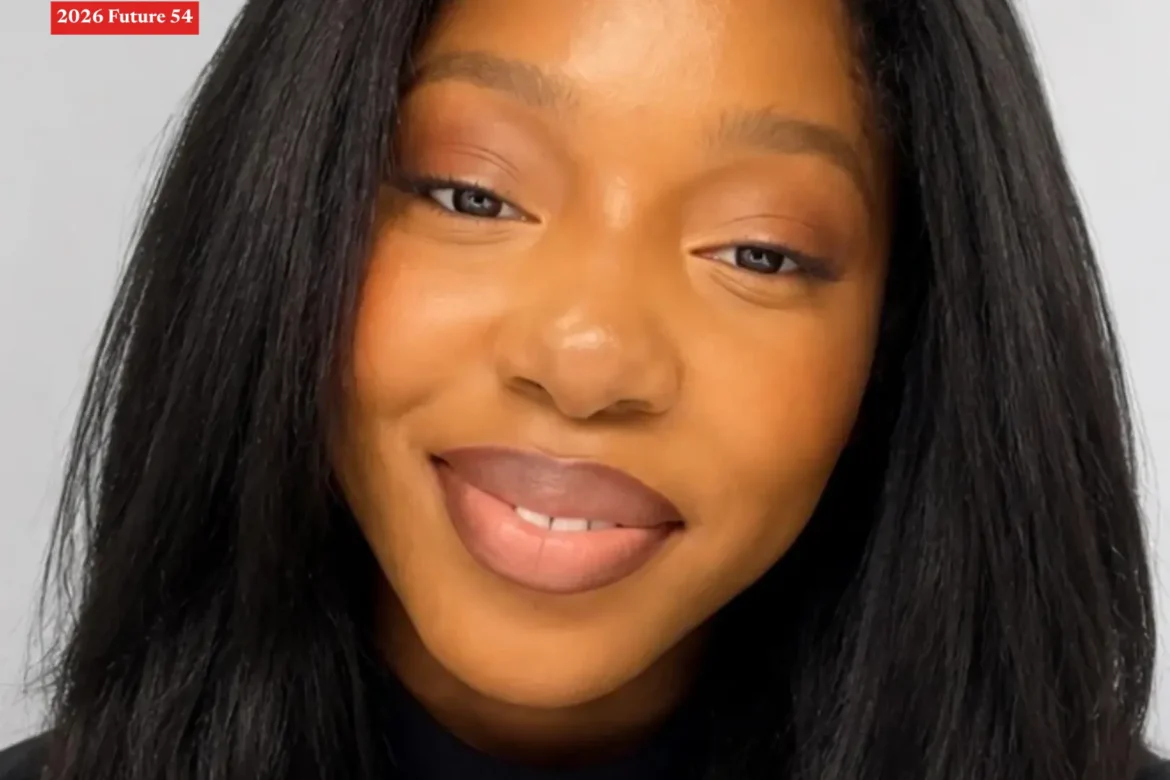
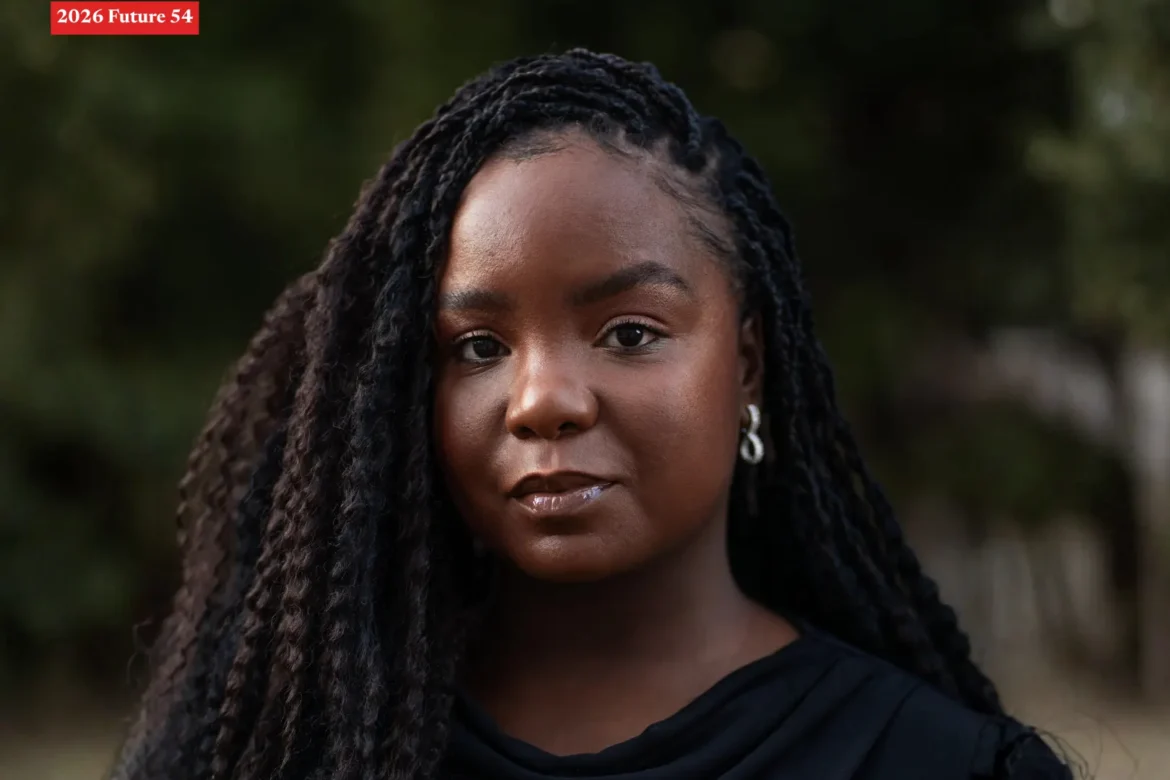
For years, women living with debilitating menstrual conditions have been expected to carry on quietly. The pain is often minimised, the symptoms misunderstood and the impact on work, relationships, mental health and everyday life treated as something to simply endure. Bontle Moka is challenging that silence, one conversation at a time.
A South African marketing professional, writer, creator and health advocate, Moka is the founder of The Heal Endo Movement and the voice behind @endometriosis.za, platforms through which she uses her own experiences with endometriosis, PCOS, fibroids and sexual trauma to create space for conversations that are often difficult to have. Her work is rooted in a simple but powerful belief: people should not have to navigate pain, trauma or healing feeling unseen and alone.
Her advocacy has grown from personal experience into a broader movement for awareness, support and policy change.
Moka has spoken openly about what it means to live with endometriosis, an often debilitating condition that can affect multiple aspects of a person’s life. Rather than presenting the condition as simply a health issue, she has worked to show its wider consequences, from the physical realities of chronic pain to its effects on careers, relationships and mental wellbeing.
That willingness to tell the truth about her own experiences has become central to her approach.
In 2025, Mail & Guardian recognised Moka as one of its Top 200 Young South Africans in the Civil Society category, highlighting her work in endometriosis advocacy, storytelling and healing. The publication described her advocacy as spanning blogging, content creation, fundraising and community management, while also noting her professional experience in marketing, research, social media and partnerships.
Her work has also been featured across platforms including Drum, TimesLIVE and 5FM, extending conversations around endometriosis and menstrual health beyond dedicated health spaces and into mainstream public discourse.
For Moka, however, awareness is only the beginning.
Her advocacy has increasingly moved towards changing the systems that shape how people experiencing menstrual and reproductive health conditions are treated. One of the most visible examples is a petition she launched calling for menstrual leave policies and improved endometriosis care in South Africa. The petition has now gathered more than 17,500 verified signatures, with supporters calling for greater recognition of endometriosis and related conditions, improved access to care and increased investment in research and treatment.
The campaign became part of a wider national conversation around menstrual health rights. On 1 April 2026, the Menstrual Health Rights Bill was presented to Parliament, with activists and organisations advocating for menstrual health to be treated as a matter of dignity, healthcare and workplace rights rather than simply an issue of access to menstrual products. Moka has been among the voices pushing for the recognition of people whose menstrual conditions can make working and participating in everyday life extremely difficult.
That shift, from awareness to policy, is important to understanding Moka’s work.
She is not interested in creating awareness for awareness’s sake. Her vision is for someone living with endometriosis to have a better chance of receiving a diagnosis, accessing appropriate care and finding practical ways to manage their symptoms and pain. She wants workplaces and institutions to recognise the realities of menstrual health conditions, while also helping to create greater funding for research and treatment.
And she wants people experiencing these conditions to know that they are not alone.
The Heal Endo Movement reflects that philosophy. At its heart is the creation of a community where healing can continue beyond the moment of diagnosis or the first conversation. Moka describes the kind of space she wants to build as one where healing does not simply begin with awareness, but is sustained through support, understanding and community.
It is a significant distinction. Awareness can tell someone that their experience is real. Community can remind them that they do not have to navigate it alone.
Her approach is also deeply connected to storytelling. Moka is a writer and self-published author of two anthologies, both of which have been selected for use in school English and poetry curriculum development. Her background in marketing has given her another set of tools: understanding audiences, building relationships, communicating ideas and using stories to create connection.
Those skills have become powerful assets in her advocacy.
Social media allows her to translate complex and deeply personal experiences into conversations that people can understand, share and participate in. Her platform has become a place where lived experience is not treated as anecdotal or secondary, but as an important part of understanding what needs to change.
That is also why her advocacy extends beyond endometriosis alone. Her conversations include fibroids, PCOS, adenomyosis, sexual trauma and other experiences that affect women’s health and wellbeing. By connecting these issues, Moka is helping to challenge the fragmented way women’s health is often discussed.
Her ambition for the next five years is therefore both personal and systemic.
She wants to see more people receive an endometriosis diagnosis and have access to practical ways of managing symptoms and pain. She wants menstrual leave to recognise the realities of conditions including endometriosis, PMOS, fibroids and adenomyosis. She wants more funding directed towards research and treatment. And she is working towards creating what she hopes will become one of the biggest endometriosis summits in Africa, bringing together people with lived experience, advocates, experts and organisations around a shared conversation.
The scale of that ambition reflects the evolution of her work. What began with sharing her own story has become an effort to influence public policy, build community and create spaces where people can learn from one another.
Yet while her public work continues to grow, Moka is equally conscious of the internal work required to sustain leadership in a space where the issues are deeply personal.
She is intentionally learning to give herself more grace.
“Besides discipline and consistency, I would say giving myself more grace and room to fail,” she says. For someone working in the health space, she recognises that every day cannot look the same. Just as living with chronic pain can mean that one day is very different from the next, leading an advocacy movement requires an understanding that capacity fluctuates.
A difficult day does not mean failure. A setback does not erase progress.
For Moka, that lesson has become part of her leadership practice: to learn from each day and each obstacle without allowing them to determine her sense of worth.
It is an approach that mirrors the message she offers to the people who encounter her work.
“You are needed,” she says. “There may be 1000 people doing the same thing, but yours is needed.”
That belief is particularly relevant to advocacy, where the scale of a problem can sometimes make individual contributions feel insignificant. Moka sees it differently. She believes there is space for different voices, different approaches and different stories, even when many people are working towards the same goal.
It is a philosophy that has shaped her own willingness to speak publicly about experiences that many people would rather keep private.
Her work is ultimately about making room: room for difficult conversations, room for people in pain, room for vulnerability, room for healing and, increasingly, room within public policy for the realities of women’s health to be taken seriously.
As the conversation around menstrual health in South Africa moves from activism towards legislation and institutional change, Moka represents a generation of advocates unwilling to accept silence as the default. Her contribution is not only in the campaigns she leads, but in the culture she is helping to create – one where people can name what they are experiencing, seek support and demand better.
There is still significant work ahead. Policy must translate into implementation. Awareness must translate into diagnosis and care. Research must translate into better treatment. And communities must continue to ensure that those living with chronic conditions are not left to navigate them alone.
Moka’s role in that journey is rooted in both lived experience and an increasingly powerful public voice.
She is building a movement that asks people to look beyond the idea of simply surviving pain and towards something more expansive: being supported, being believed, being informed and ultimately having the freedom to pursue a whole life without having to hide what they are experiencing.
Bontle Moka is an honouree in the 2026 Future 54 Leading Women Cohort, recognising women shaping Africa through leadership, innovation, entrepreneurship and meaningful impact.