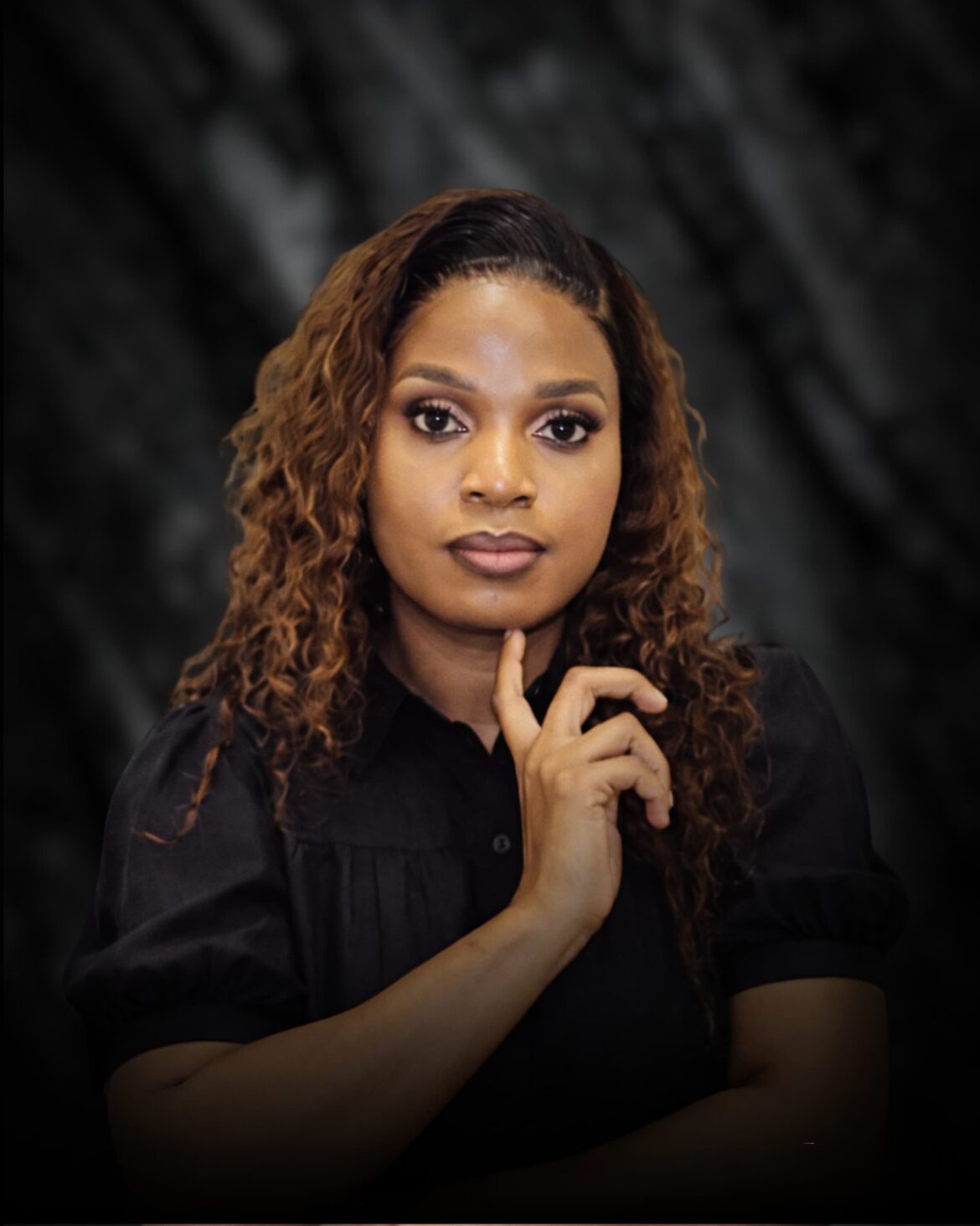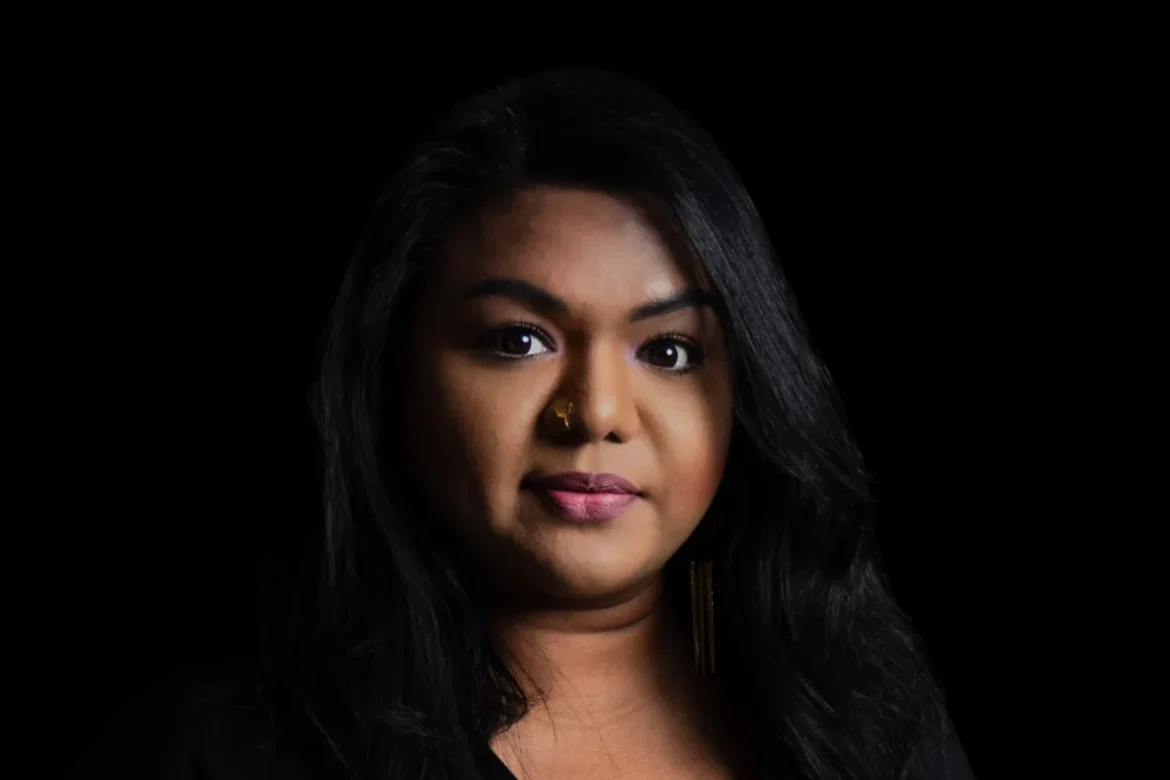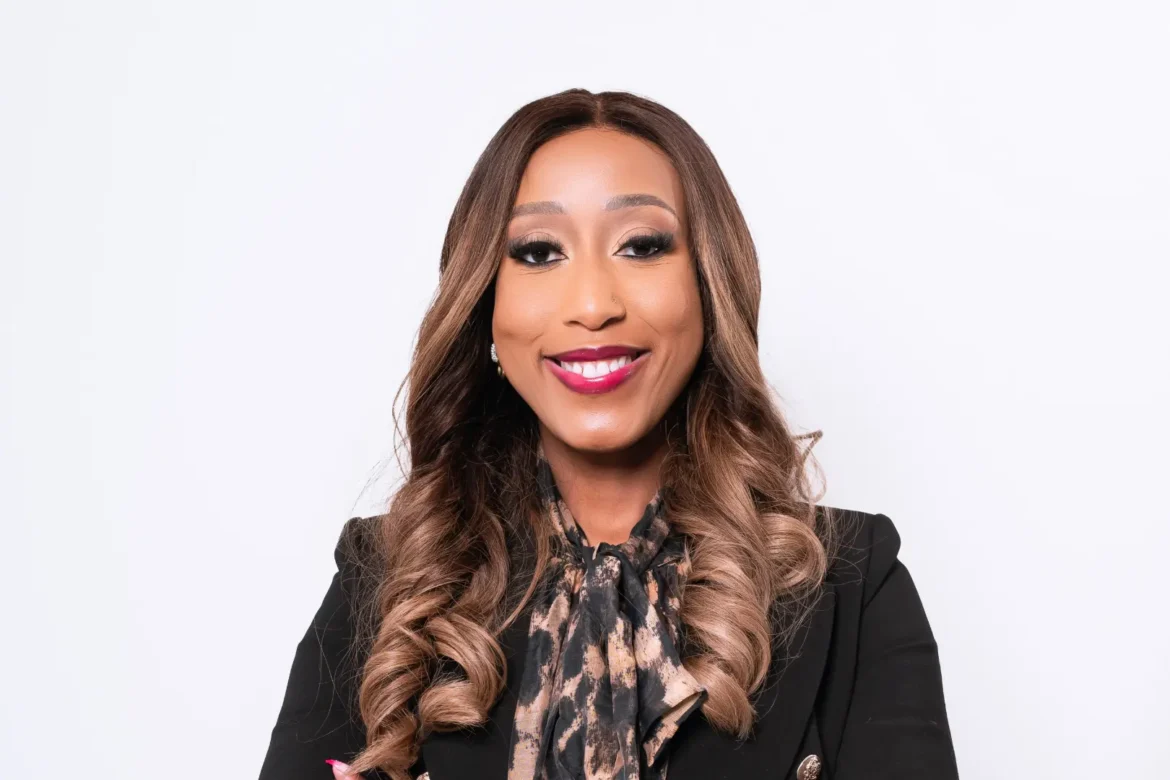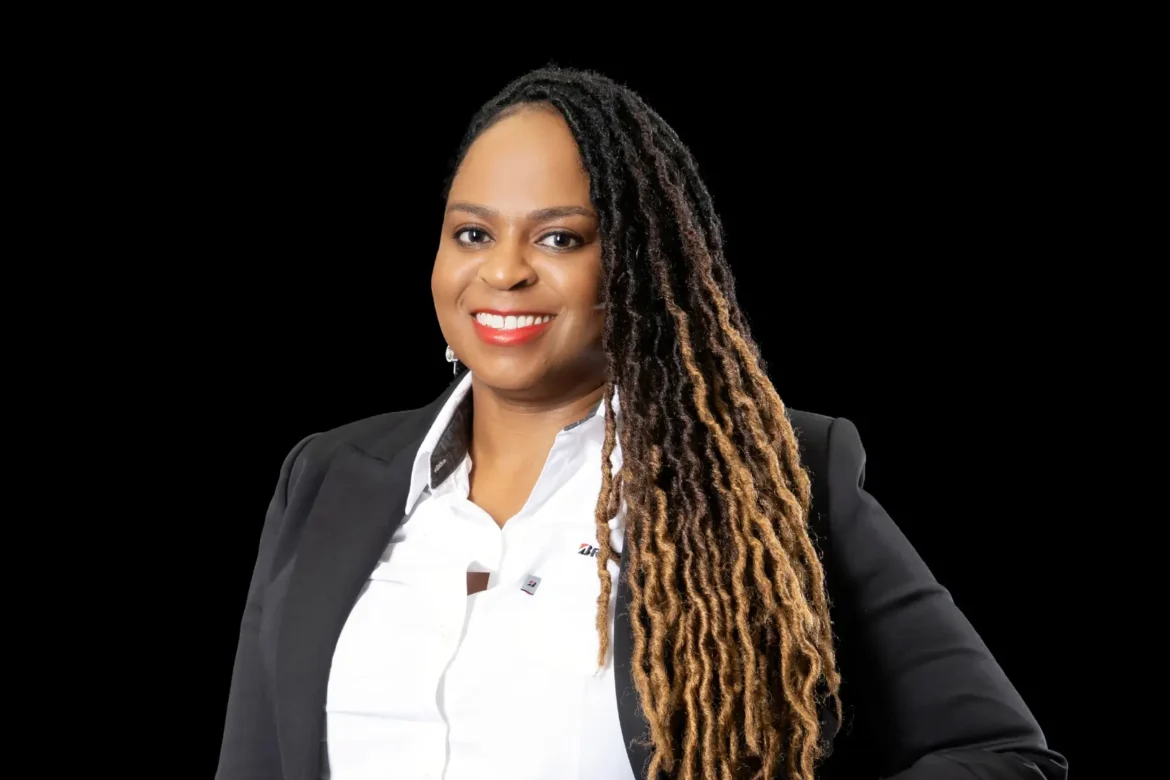
A career in healthcare does not always have to lead in a straight line. For Lerato Motseki, working in a medical laboratory has given her a close view of the systems that determine whether quality healthcare can actually reach the people who need it. It has also led her somewhere unexpected: into the world of financial engineering.
A Medical Laboratory Technician, healthcare quality leader and youth advocate from Lesotho, Motseki is building a career around a question that extends beyond clinical care: how can African health systems become more effective, resilient and financially sustainable?
It is a question shaped by experience.
At Partners In Health Lesotho, Motseki contributes to laboratory quality management, document control, external quality assurance, customer care and point-of-care testing. Her work places her within the infrastructure that supports safe and reliable healthcare, where quality is often determined not only by the expertise of healthcare professionals, but by the strength of the systems around them.
For Motseki, those experiences have made one thing increasingly clear: excellent clinical care alone is not enough.
Resource constraints, fragmented systems and financial limitations can affect whether quality services are consistently available, particularly in settings where healthcare systems are already under pressure. Her response has been to broaden her own expertise rather than remain confined to the boundaries of her profession.
She is currently pursuing a Master of Science in Financial Engineering at WorldQuant University, exploring financial modelling, risk management and data analytics.
It is an unconventional progression for a healthcare professional, but one Motseki sees as highly intentional.
She is not moving away from healthcare. She is looking for new tools with which to strengthen it.
Her ambition is to understand how innovative financing models and data-driven decision-making can contribute to healthcare systems that are not only clinically sound, but sustainable enough to serve communities over the long term. In a continent where health systems often operate within significant resource constraints, she believes the ability to connect healthcare expertise with financial and analytical thinking could help unlock new approaches to access and sustainability.
That willingness to cross disciplines is also characteristic of how Motseki approaches leadership.
Alongside her professional responsibilities, she serves as Chairperson of the Shadow A Scientist Lesotho Chapter, an initiative focused on encouraging young people to explore science and STEM opportunities. She is also Chair of the Board of the Mosepele Foundation Development Forum and volunteers as a youth mentor with the Global Mentorship Initiative, supporting emerging professionals as they work towards their academic and career goals.
These roles have given her another perspective on systems and impact: sustainable change requires people who are equipped to participate in creating it.
Mentorship is therefore an important part of Motseki’s leadership. She sees investing in young professionals not simply as an act of support, but as a way of expanding the pool of people capable of solving Africa’s most complex challenges.
Her own journey offers a compelling example of what that can look like.
Rather than allowing her initial professional qualification to determine the limits of her career, she has deliberately accumulated knowledge across different fields. Laboratory science has given her technical and quality-management expertise. Leadership and governance have developed her ability to work through institutions and with people. Mentorship has strengthened her commitment to developing others. Financial engineering is now adding another layer, giving her the analytical tools to think differently about sustainability and risk.
It is this combination that she hopes will define the leader she becomes.
“I am intentionally working on becoming a leader who is both visionary and practical,” Motseki says. She wants to bridge the gap between quality healthcare, sustainable financing and community impact, while continuing to develop the emotional intelligence, resilience and humility required to lead effectively.
For her, leadership is not about having the loudest voice or accumulating titles. It is about listening, creating opportunities, building systems and leaving organisations stronger than she found them.
That philosophy extends into her five-year vision.
Motseki hopes to contribute to transforming how healthcare systems across Africa are designed, financed and sustained. She sees the continent’s health challenges as fundamentally systemic, requiring collaboration between healthcare professionals, policymakers, financial experts, researchers and communities.
Her goal is to become one of the people capable of working across those boundaries.
Today, she is laying the groundwork through each of her professional and leadership roles. At Partners In Health Lesotho, her work contributes to the quality and reliability of healthcare delivery. Through Shadow A Scientist, the Mosepele Foundation Development Forum and the Global Mentorship Initiative, she is helping young people develop the confidence, knowledge and networks to pursue their own futures.
The next stage, she hopes, will involve taking these lessons beyond Lesotho and contributing to regional and international efforts focused on health systems strengthening, healthcare financing and equitable access to quality care.
Whether through policy, research, governance or cross-sector collaboration, she wants to help develop practical solutions that respond to the realities of African communities.
Her approach is ambitious, but it is also grounded in a strong understanding of where meaningful change begins: with people.
That includes the young people she mentors, the colleagues she works alongside and the communities ultimately served by stronger health systems.
In recognition of her leadership and community contribution, Motseki was named a finalist for the Women Changing the World Awards 2026 in the National Impact category. The recognition comes as her work continues to develop across professional, academic and community spaces.
But recognition is not the destination.
Motseki is more interested in what her knowledge can make possible.
“The most important lesson I’ve learned is that your profession should never define the boundaries of your potential,” she says.
It is a lesson she has applied directly to her own career. A laboratory technician can become a board leader. A healthcare professional can study financial engineering. A young woman working within one part of a system can develop the skills to influence another.
The connections may not always be obvious at first, but Motseki believes they can become powerful when brought together with purpose.
She has also learned that waiting to feel completely ready can become a barrier to growth. Every meaningful opportunity, she says, has required her to step beyond her comfort zone and learn as she goes.
That willingness to stretch herself is perhaps one of the most defining characteristics of her leadership journey.
She does not see expertise as something that should create boundaries. Instead, she sees knowledge as something that can be connected, expanded and applied in unexpected ways.
Her advice to other women follows naturally from that belief: do not shrink your ambitions to fit other people’s expectations.
Women, she believes, should be willing to redefine themselves, change direction, pursue knowledge in unexpected places and enter spaces where they have traditionally been underrepresented. The skills developed in one field can become the solution to problems in another.
It is a particularly relevant message for a continent that needs leaders capable of thinking beyond traditional professional silos.
For Motseki, the future of African healthcare may require precisely that kind of thinking – people who understand the realities of healthcare delivery while also being able to engage with finance, technology, data, governance and community development.
Her own career is becoming a demonstration of that possibility.
Ultimately, she wants her impact to be measured less by the positions she holds than by the systems she strengthens and the people she helps move forward.
“Lift others as you climb,” she says.
It is a philosophy that brings together the different strands of her work. Whether she is contributing to laboratory quality, studying financial engineering, serving on a board or mentoring a young professional, Motseki is building towards the same outcome: stronger systems, greater opportunity and a generation of African leaders equipped to create meaningful change.
Lerato Motseki is an honouree in the 2026 Future 54 Leading Women Cohort, recognising women shaping Africa through leadership, innovation, entrepreneurship and meaningful impact.