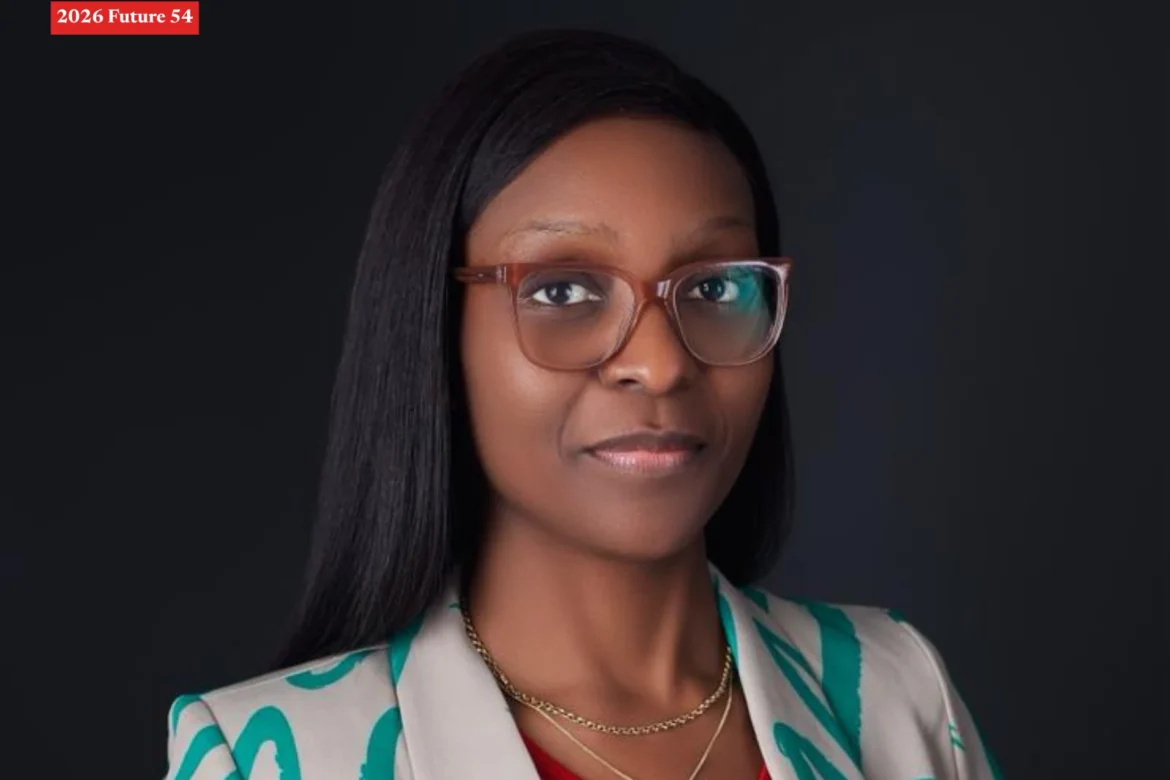
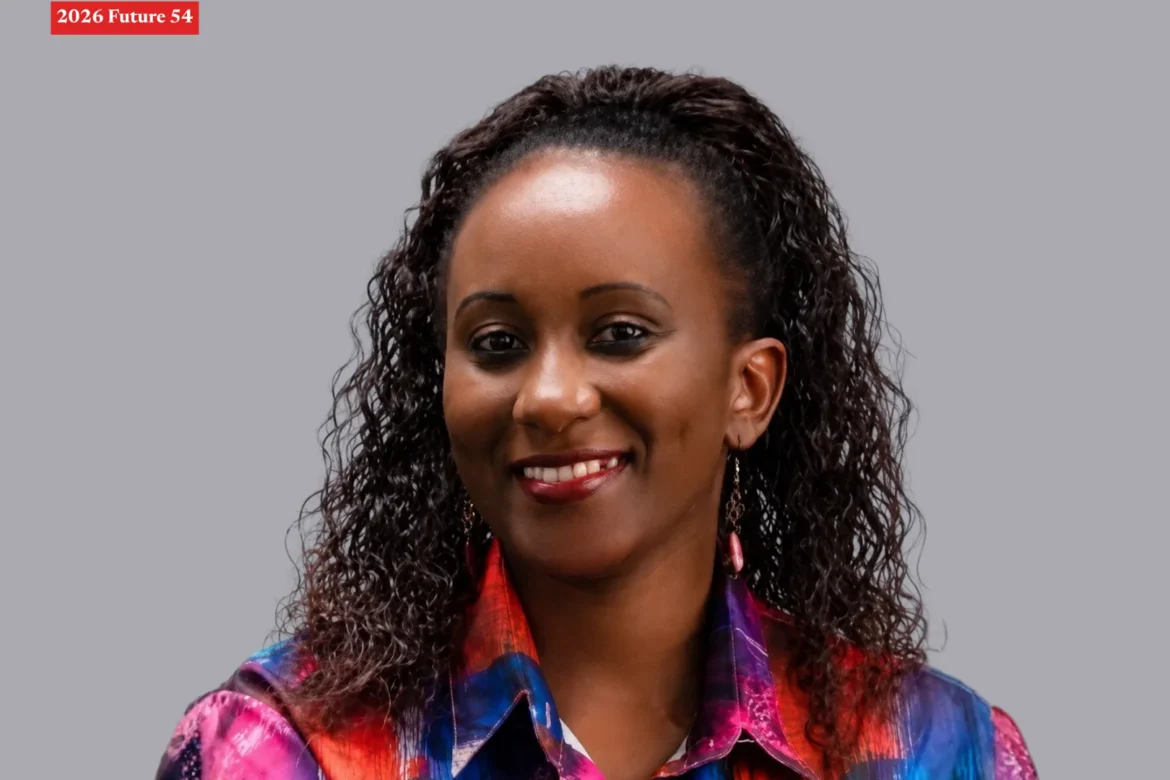
For Caroline Nyaga, getting more girls into STEM is not simply about encouraging them to choose science subjects. It is about changing whether they can see themselves belonging in the spaces where technology, innovation and problem-solving are shaping the future.
An award-winning STEM educator, teacher trainer and gender equality advocate from Kenya, Nyaga has spent more than a decade working to make that future more inclusive. As the Founder and CEO of Women in STEAM Initiative, she is building programmes that give girls and young women practical exposure to science, technology, engineering, arts and mathematics, while helping them develop the confidence and skills to pursue careers in these fields.
Her own journey began in the classroom, where she taught Biology and Chemistry before moving into teacher training and STEM education. Since then, she has worked to strengthen educators’ ability to use digital tools and more practical approaches to teaching, recognising that teachers themselves are critical to creating a future-ready education system. She has also contributed to regional conversations on STEM, gender equality and education innovation, including through UNESCO and African Union platforms.
In 2022, she founded Women in STEAM Initiative, an organisation focused on empowering girls and young women through STEM, digital literacy and 21st-century skills. Since then, the initiative has grown into a platform that combines hands-on learning, mentorship and community engagement. Under Nyaga’s leadership, it has established STEM hubs and school-based clubs, giving learners opportunities to experiment with coding, robotics, artificial intelligence, engineering design and other emerging technologies.
The emphasis is deliberately practical. For Nyaga, it is not enough for a student to hear that she can become an engineer, programmer or scientist. She needs the opportunity to build something, test an idea, solve a problem and experience herself as capable of doing the work.
That philosophy is reflected in the organisation’s STEM clubs and community programmes, where girls are introduced to technology through hands-on activities. Recent programmes have also begun developing community champions: young women trained to take STEM awareness, mentorship and digital skills into their own communities.
Nyaga wants to make that model increasingly accessible beyond individual schools. Her goal is to establish sustainable STEM Innovation Hubs in underserved communities across Kenya, creating places where young people can access technology, mentorship and practical learning regardless of their socioeconomic background or location.
Learners, however, are only one part of the equation. Her work also focuses on the educators who shape their experiences. By training teachers and developing practical teaching approaches, she is working to strengthen the wider education ecosystem rather than relying on isolated interventions.
This systems-level thinking increasingly defines her leadership. Nyaga is intentionally developing her ability to think strategically, build partnerships and create an institution capable of growing beyond its founder. Her ambition is not simply to run successful programmes, but to build an organisation that can continue transforming education long into the future.
“I want to build an institution that outlives me,” she says.
That requires her to become a different kind of leader: one who can move from doing everything herself to building teams, systems and partnerships that can carry the work further. Her leadership has already attracted recognition. In 2024, she was named among Business Daily Africa’s Top 40 Under 40 Women in Kenya. She subsequently received the Social Entrepreneurship and Excellence Award from Year of Return Africa in 2025 and won the Zuri Awards STEM category in 2026. Women in STEAM Initiative has also highlighted recognition through the 2026 Space STEM Awards, including the Young Women in Space STEM Leadership award.
Yet the awards are secondary to the scale of the problem she is trying to address. Across Africa, young people are entering a world of work being transformed by artificial intelligence, automation and digital technologies. For girls, the challenge is compounded by persistent gender gaps in access, participation and progression in STEM.
Nyaga believes education has to prepare young people not simply to find jobs in that future, but to become the innovators, entrepreneurs and problem-solvers who shape it. That is the future she wants to help build over the next five years.
She hopes to reach tens of thousands of learners, expand STEM Innovation Hubs across underserved communities and create a network of community champions who can continue advancing STEM education locally. She also wants to deepen partnerships with governments, universities, TVET institutions, development organisations and the private sector so that practical STEM education becomes part of stronger, more inclusive education systems.
Her measure of success will therefore extend beyond the number of students trained. It will be seen in the opportunities those students create for themselves and others, the innovations they develop and the communities they influence.
There is also a personal dimension to that vision. As Women in STEAM expands, Nyaga is learning to lead with greater resilience, empathy and intentionality. She is becoming more comfortable with thinking bigger, embracing innovation and recognising that collaboration can be more powerful than trying to carry a vision alone.
That lesson is rooted in her own experience of building the initiative. She did not wait for perfect conditions.
“I’ve learned that growth happens through action,” she says.
Starting with a vision and a willingness to take the first step created opportunities for partnerships, resources and growth that could not have been predicted at the beginning. It is the same message she gives other women: do not wait until you have everything figured out. Start where you are, trust the value of your vision and remain consistent even when progress feels slow.
For Nyaga, collaboration is equally important. Some of the most meaningful progress in her work has come from bringing educators, communities, governments and organisations together around a shared purpose. That approach is increasingly important as her ambitions expand beyond Kenya.
Women in STEAM Initiative is already positioning itself as part of a broader African conversation about the future of education, technology and women’s participation in STEM. Nyaga wants to help build a continent where girls do not simply consume technology, but have the confidence and skills to create it.
The work begins long before a young woman enters a university laboratory or technology company. It begins when she is given a robot to build, a problem to solve, a mentor who believes in her and a room in which she understands that she belongs.
That is the infrastructure Nyaga is building: one classroom, teacher, STEM hub and young woman at a time.
Caroline Nyaga is an honouree in the 2026 Future 54 Leading Women Cohort, recognising women shaping Africa through leadership, innovation, entrepreneurship and meaningful impact.