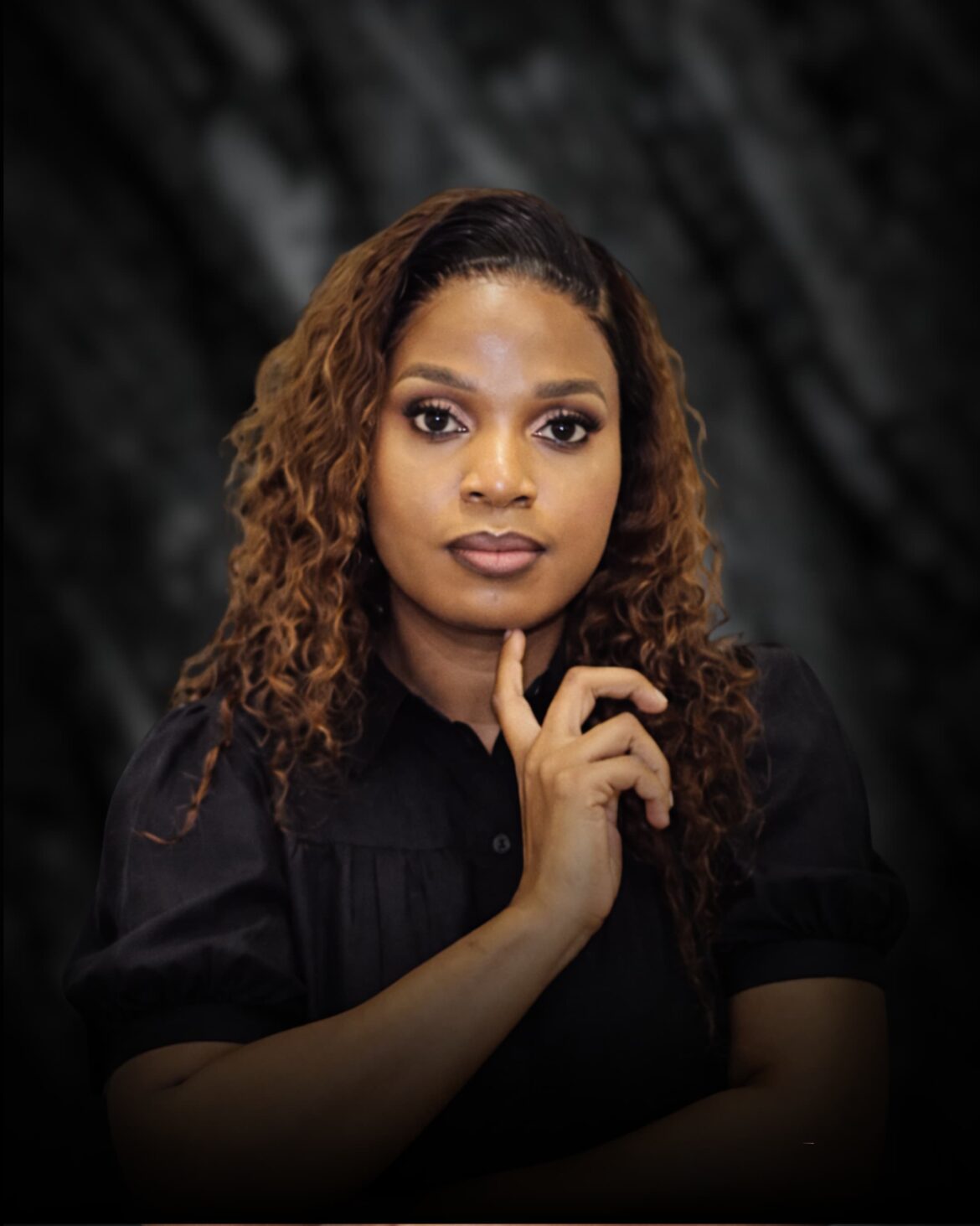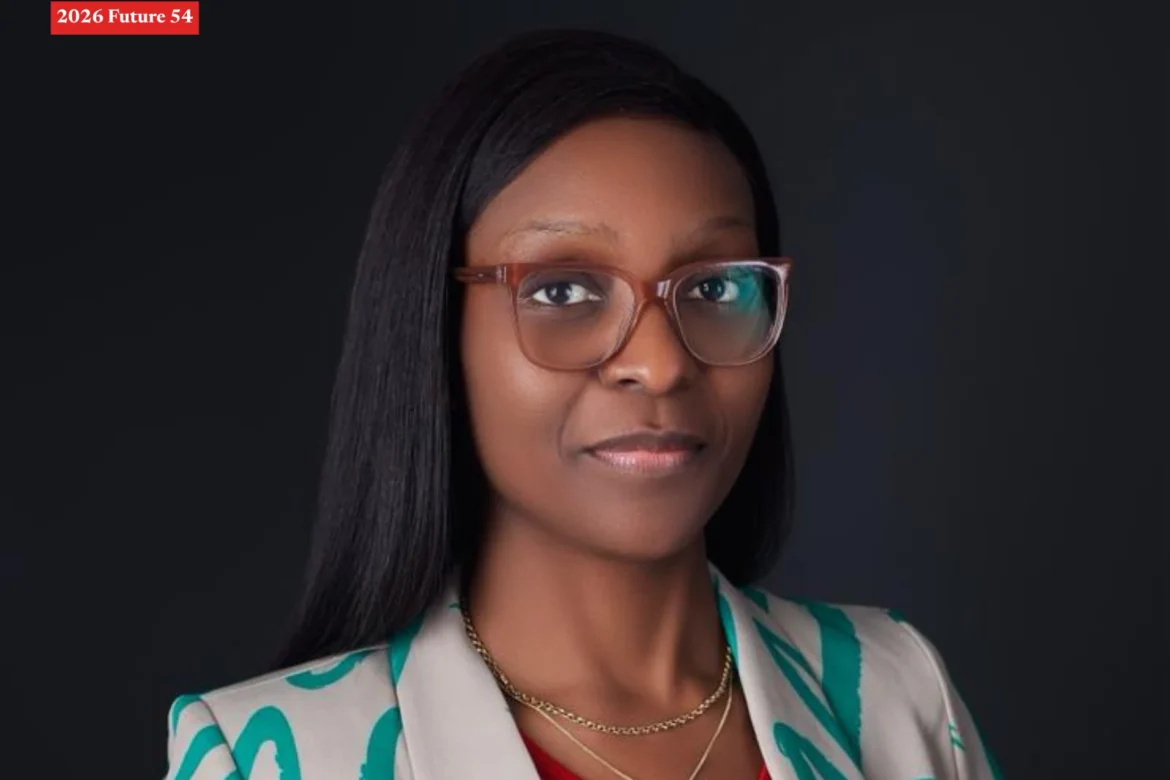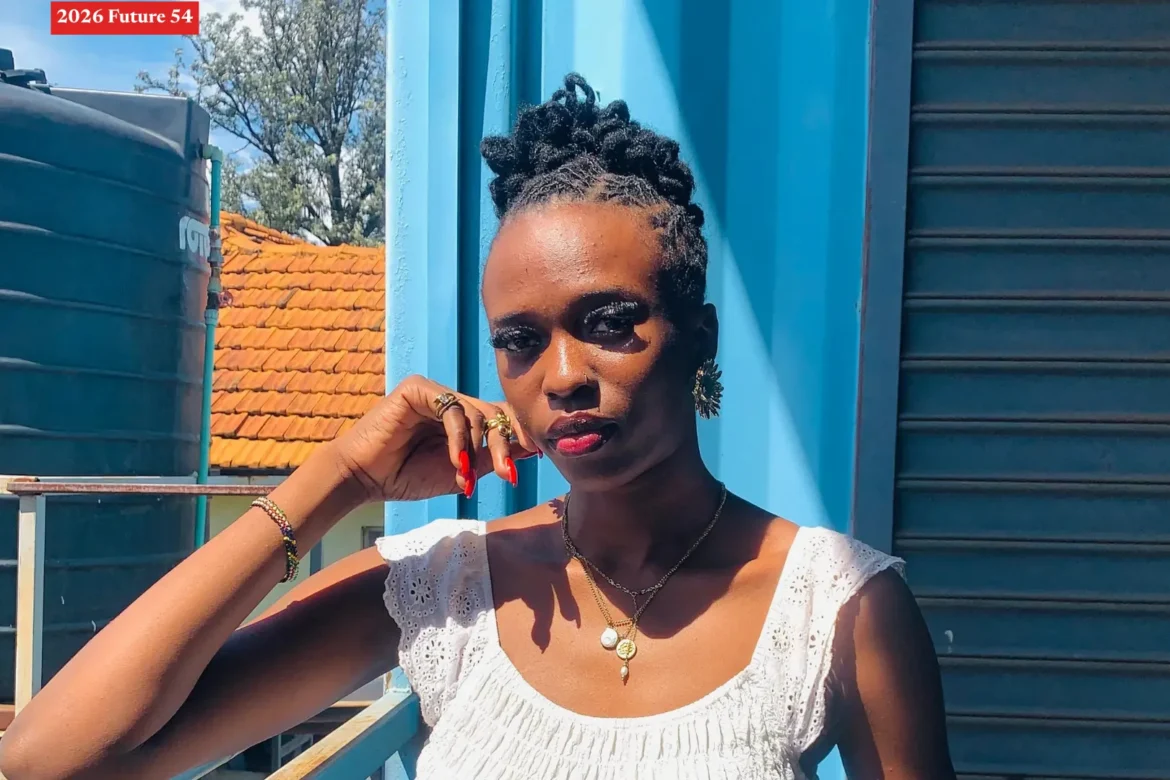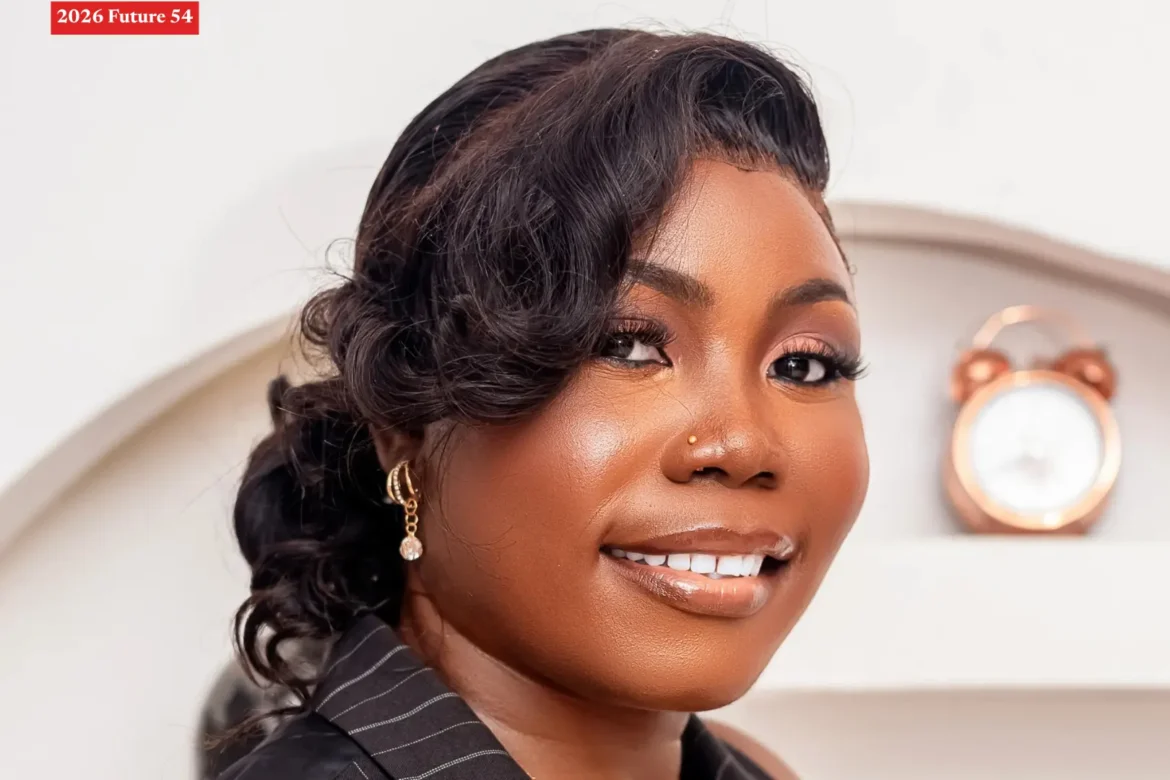
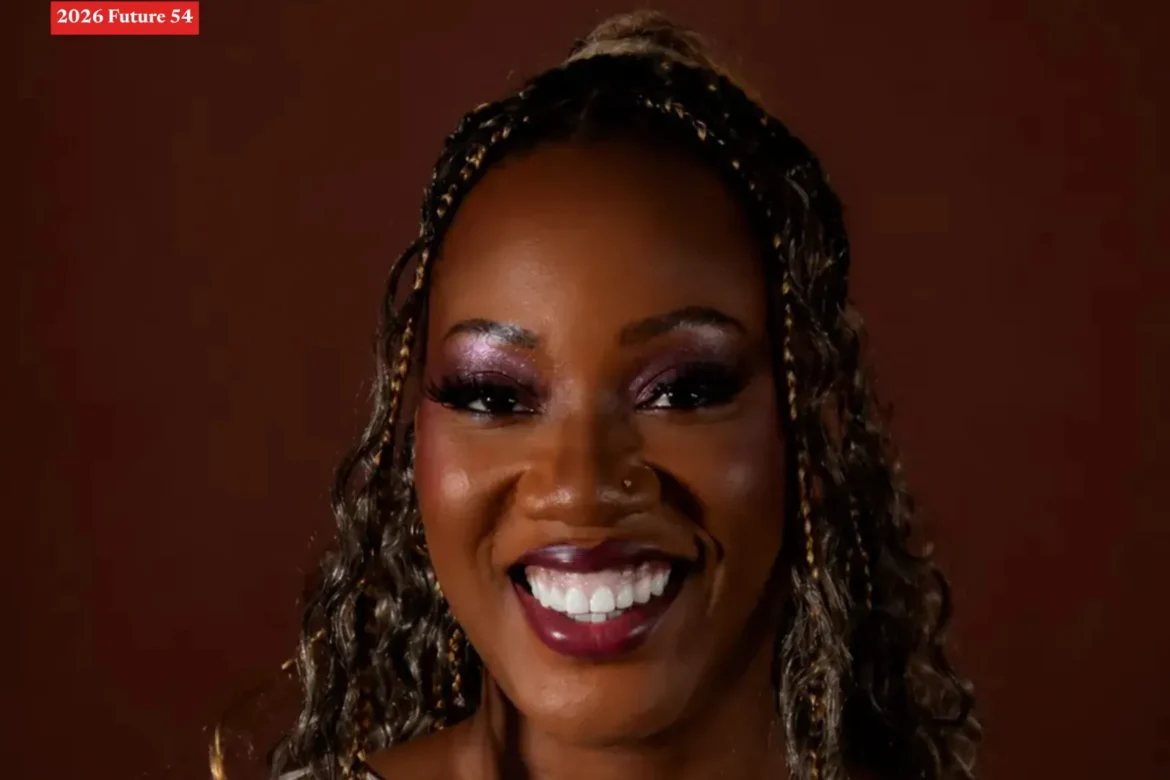
There is a difference between having a sustainability story and having the evidence to support it. As global fashion becomes increasingly concerned with transparency, traceability and accountability, Nyaniso Tutu-Burris is working to ensure African brands are not left behind simply because the systems used to measure sustainability were not designed with their realities in mind.
Tutu-Burris is the founder and CEO of OneThread.Africa, a South African fashion technology company building digital infrastructure that enables African fashion brands to measure, document, verify and showcase their sustainability practices. The company is rooted in a straightforward belief: brands already doing meaningful work should have the tools to prove it.
Her work sits at the intersection of fashion, technology, sustainability, storytelling and ecosystem development, but the underlying ambition is bigger than any one of those disciplines. Tutu-Burris is interested in what happens when African businesses have the infrastructure to translate the value they create into credible, verifiable data that can travel with them into global markets.
That perspective has been shaped by years of working within the fashion and social impact ecosystem. Before OneThread, Tutu-Burris led Kijani Ajabu, a sustainable fashion brand focused on creating economic opportunities for women while responding to the environmental and social costs of fast fashion. The venture received seed funding through the Laudato Si’ Challenge and expanded its work with 100 women from two township-based NPOs, providing training in income-generating skills including sewing, beading and screen printing.
The experience gave her a closer understanding of the gap between the work African businesses are doing and the systems available to recognise it. OneThread emerged from that realisation, with Tutu-Burris spending years researching, listening to brands and examining what African businesses actually need before building the solution.
Today, OneThread is focused on turning sustainability from a broad marketing claim into something that can be measured and verified. Its work spans areas including material sourcing, labour and production ethics, environmental responsibility, transparency, community impact and other dimensions of sustainability, creating structured profiles that brands can use to demonstrate their practices to customers, retailers and partners.
For Tutu-Burris, however, sustainability cannot simply mean importing international frameworks and asking African businesses to conform. Her writing and research increasingly challenge the idea that there is one universal definition of sustainable fashion, arguing instead for systems that account for the different economic, cultural and environmental contexts in which African businesses operate.
That Africa-first perspective is evident in her recent work. In February 2026, while reflecting on a visit to Kenya, she wrote about the sustainability practices already embedded in African communities, including community-built education systems and local approaches to solving problems with limited resources. Her point was not that Africa needs to be taught sustainability, but that much of the continent already possesses knowledge and practices that deserve to be recognised and built upon.
She has also explored what happens when global sustainability requirements meet the realities of African fashion entrepreneurs. In one account of speaking to fashion students in Nairobi about the European Union’s Digital Product Passport, she observed how compliance requirements can feel like another barrier when businesses are already navigating challenges around access to materials, infrastructure and resources. Her work is increasingly about making those systems more accessible rather than allowing regulation to become another gatekeeping mechanism.
This is why storytelling remains important to her approach. A garment is not only a product, she argues. It can carry information about the people who made it, the techniques they used, the materials they sourced and the cultural knowledge behind its creation. OneThread’s work seeks to make those stories more than narratives by connecting them to evidence and data.
Her leadership journey is evolving alongside the company. As a founder and mother of two, Tutu-Burris is consciously learning to embrace balance rather than perfection. She is working on becoming more intentional about where she gives her attention, learning to delegate and developing greater trust in others as OneThread grows.
That is a different kind of leadership challenge from building a product. It requires her to think about the example she is setting at home as carefully as the organisation she is building in the marketplace. She wants her children to see that ambition and family do not have to be competing identities, and that leadership can be rooted in integrity, compassion and a willingness to create opportunities for others.
Her own journey has also reinforced the importance of starting before certainty arrives. Tutu-Burris has spoken openly about the fact that OneThread once felt like a pipe dream and that she was challenged to “stay in her lane” because of her background as a designer and copywriter. Rather than allowing that criticism to define what she could build, she spent years researching the problem and developing her conviction that African businesses needed different infrastructure.
That conviction is now taking her onto increasingly visible platforms. In August 2026, she was selected as one of five finalists in the Diva Pitch at the Digital Divas Summit in Cape Town, where she presented OneThread’s vision for helping African fashion brands demonstrate their sustainability credentials to global markets.
Over the next five years, Tutu-Burris wants OneThread.Africa to become a key part of the digital infrastructure supporting sustainable fashion across the continent, helping thousands of brands measure, verify and communicate their impact with confidence. She sees that growth not simply as a commercial opportunity, but as a way of changing how African businesses are perceived globally.
The larger ambition is ecosystemic. She wants African brands to be recognised not only for their potential or compelling stories, but for the systems and evidence that demonstrate the value they already create. That means building technology, forming strategic partnerships and creating spaces where industry leaders, innovators and policymakers can work together around the future of sustainable fashion.
Her lesson for other women follows naturally from the journey. Confidence, she believes, does not have to precede action. It can be built through the process of doing the work, learning from failure and continuing to move forward before every answer is available.
For Tutu-Burris, the things that make women different can also become their greatest sources of strength. Her own perspective has led her to question systems that were not designed for African realities and to build something that she believes can serve them better. She wants other women, particularly mothers, to understand that their experiences are not obstacles to leadership. They can be part of what makes that leadership necessary, distinctive and authentic.
OneThread is ultimately about more than making sustainability visible. It is about making African innovation, enterprise and impact legible to a world that increasingly demands proof. Tutu-Burris is building the systems to help ensure that when African fashion enters that conversation, it does so with evidence, confidence and a story it can substantiate.
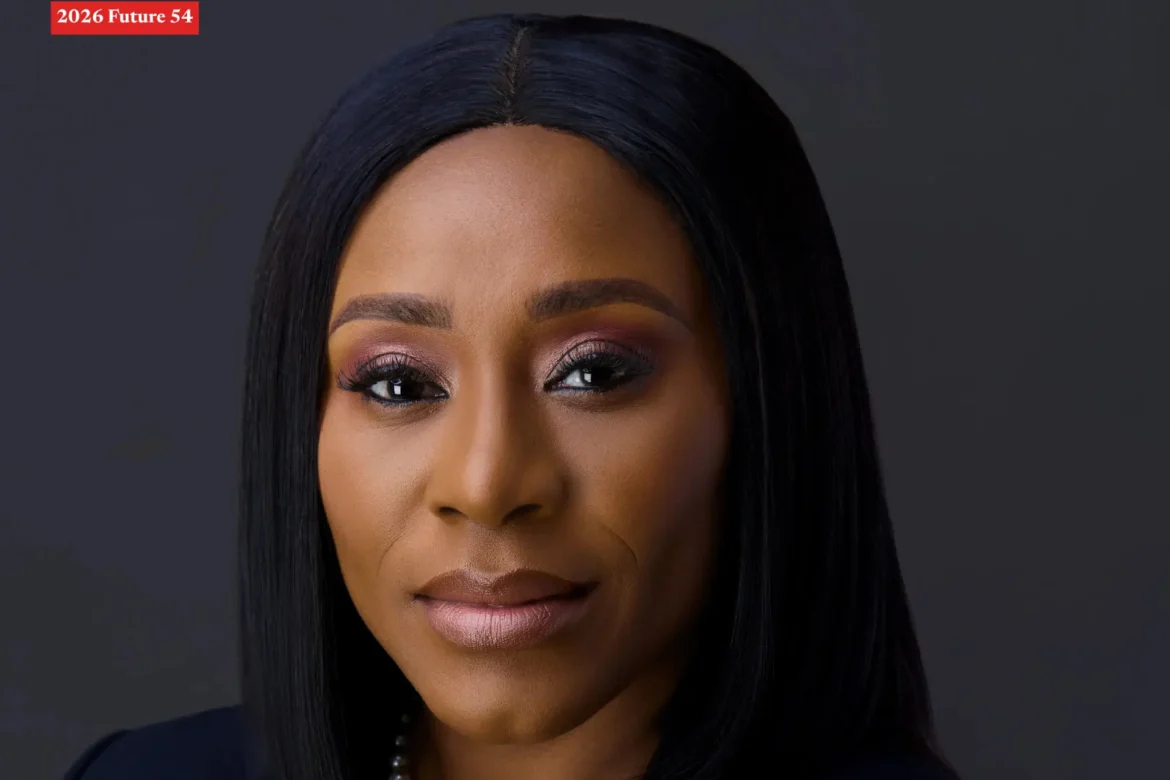
Nyaniso Tutu-Burris is an honouree in the 2026 Future 54 Leading Women Cohort, recognising women shaping Africa through leadership, innovation, entrepreneurship and meaningful impact.