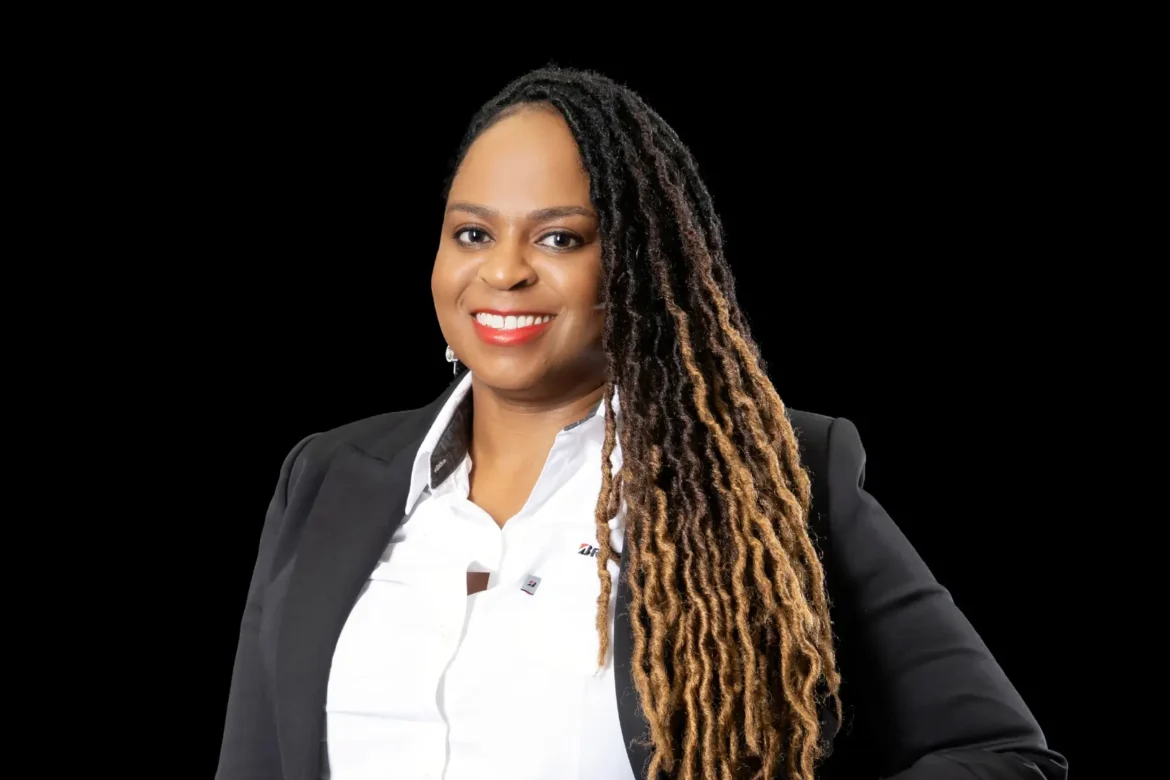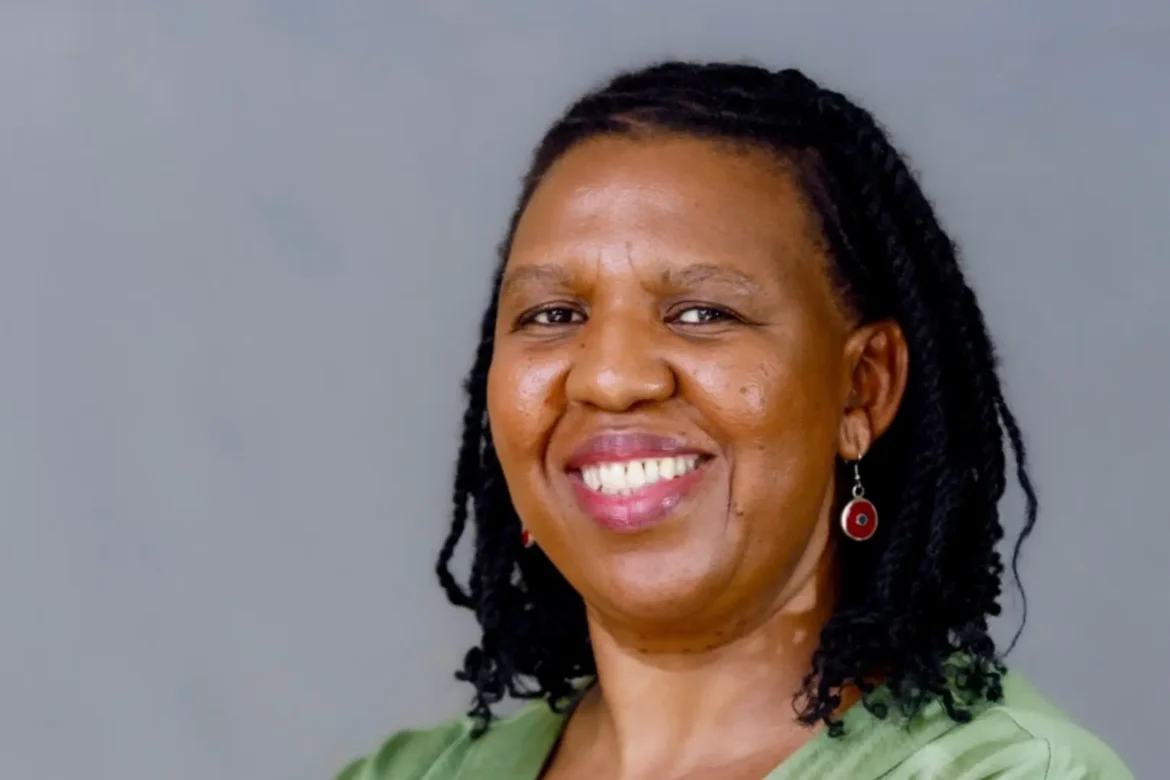
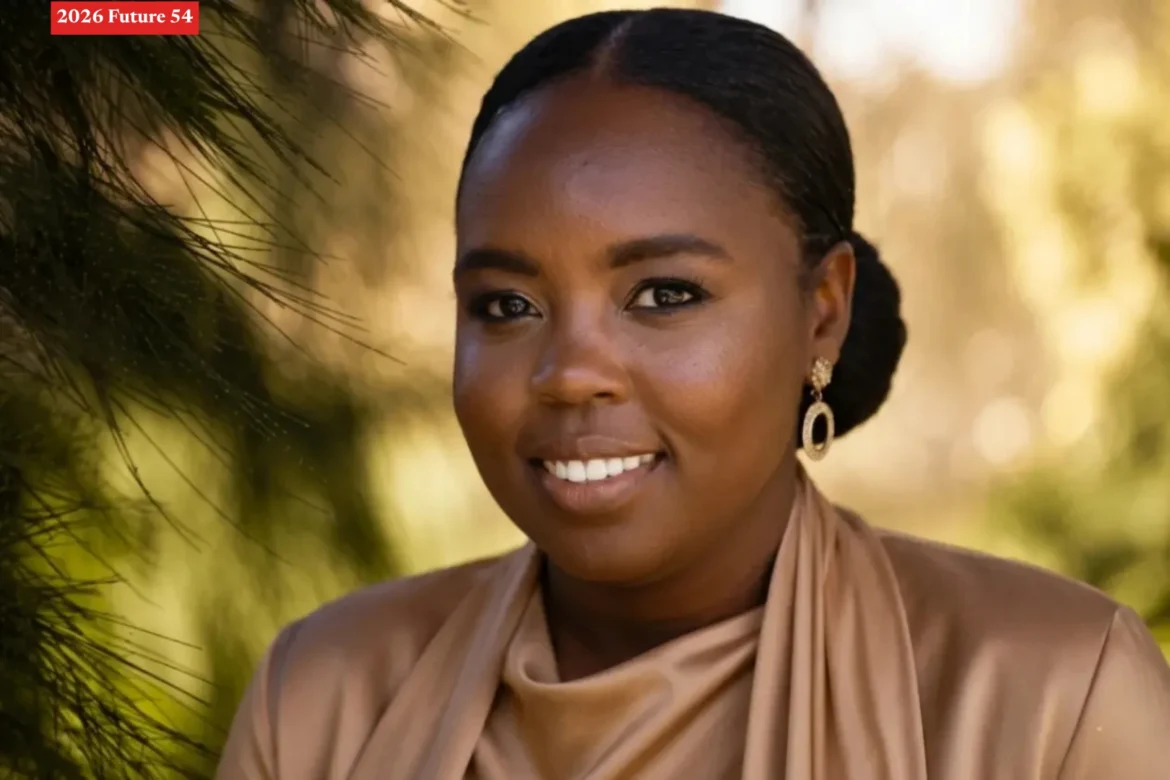
For Abueng Leepile, agriculture is about far more than what can be grown from the soil. It is a pathway to food security, rural economic development and greater opportunity for young people, particularly women. From her roots in Madibe-a-Makgabana in South Africa’s North West province, Leepile has built Bokamoso Abu Farms into an agribusiness grounded in food production, community and a vision for a more inclusive agricultural sector.
Her decision to become an agripreneur was shaped by a simple but consequential question: who will produce the food of the future? After researching the ageing profile of South Africa’s farming sector, Leepile recognised both a challenge and an opportunity. She chose to act on her passion for agriculture, establishing Bokamoso Abu Farms to grow vegetables including beetroot, butternut, peppers, chillies and onions.
What began as a farming enterprise has developed into a platform for a much broader ambition. Leepile wants agriculture to become a viable pathway for young people in rural communities, and especially for young women who have historically had to navigate significant barriers in a male-dominated industry. Her work combines food production with a commitment to demonstrating what rural women can build when they have access to opportunity, knowledge and support.
That commitment has increasingly placed her in spaces beyond her own farm. In 2022, Leepile was named among the Mail & Guardian’s Powerful Women in South Africa in the Harvesting category, recognising her contribution to agriculture and food production. In 2023, she represented South Africa as part of the Leading African Women in Food Fellowship, where she joined a continental network of women working to transform Africa’s food systems.
Her recognition continued in 2025. Leepile was one of ten women honoured through Proteas of Mzansi, a platform celebrating women driving meaningful social impact in South Africa. She was also recognised by Sunday World as an Unsung Hero for her work in agripreneurship, community development and agricultural empowerment.
Yet the trajectory Leepile is building is not defined only by recognition. Increasingly, her focus is on what it takes to build an organisation capable of carrying a much larger vision. She describes her current leadership work as a deliberate shift from execution to strategic vision. After years of being close to the operational details of her enterprise, she is learning to delegate, build systems and create the space required to think beyond the immediate demands of running a business.
For Leepile, that evolution also requires emotional resilience and patience. Sustainable change, she believes, cannot always be measured through immediate milestones. Transforming food systems, strengthening rural economies and creating opportunities for a new generation require the ability to remain focused through periods when progress is less visible. Her leadership journey is therefore as much about developing herself as it is about developing the enterprise.
Over the next five years, she wants Bokamoso Abu Farms to become a model for sustainable agriculture and rural economic development – one where crop cultivation, livestock management and community upliftment can operate together. Central to this vision is creating clearer pathways for young women to enter agriculture, develop businesses and become leaders within the sector.
The ambition is ultimately bigger than the farm itself. Leepile wants to help change perceptions of what agriculture can offer young people, particularly those growing up in rural communities. Her measure of success is not simply how much food is produced, but how many livelihoods can be sustained and how many future leaders can emerge from the opportunities created.
She is already laying the foundations for that future through stronger business systems, compliance, governance, partnerships and continuous leadership development. Her participation in programmes such as the Leading African Women in Food Fellowship and the LEAP Africa Leadership Accelerator has expanded her networks and exposed her to new approaches to food systems, leadership and systems change.
There is a practical philosophy behind her approach. Leepile has learned that ambition needs infrastructure. Passion may be what starts an enterprise, but sustainable growth requires sound financial management, compliance, governance and the ability to build relationships that open doors to new opportunities. It is a lesson she learned firsthand after beginning her own journey without the funding she had hoped would materialise. Rather than waiting, she started with what she had and grew from there.
For other women building their own futures, her message is direct: become your own advocate. Understand the technical and administrative side of your business as deeply as you understand its purpose. Protect the standards and structures that give your vision credibility. And do not diminish your achievements to make other people more comfortable.
Leepile’s own journey illustrates what can happen when a local enterprise is connected to a much larger purpose. A farm can produce vegetables, but it can also create livelihoods, challenge perceptions, open doors for young women and contribute to the resilience of the communities around it. For a leader whose work began with a desire to contribute to food security, the next chapter is about building the systems and influence required to make that contribution last.
Abueng Leepile is an honouree in the 2026 Future 54 Leading Women Cohort, recognising women shaping Africa through leadership, innovation, entrepreneurship and meaningful impact.