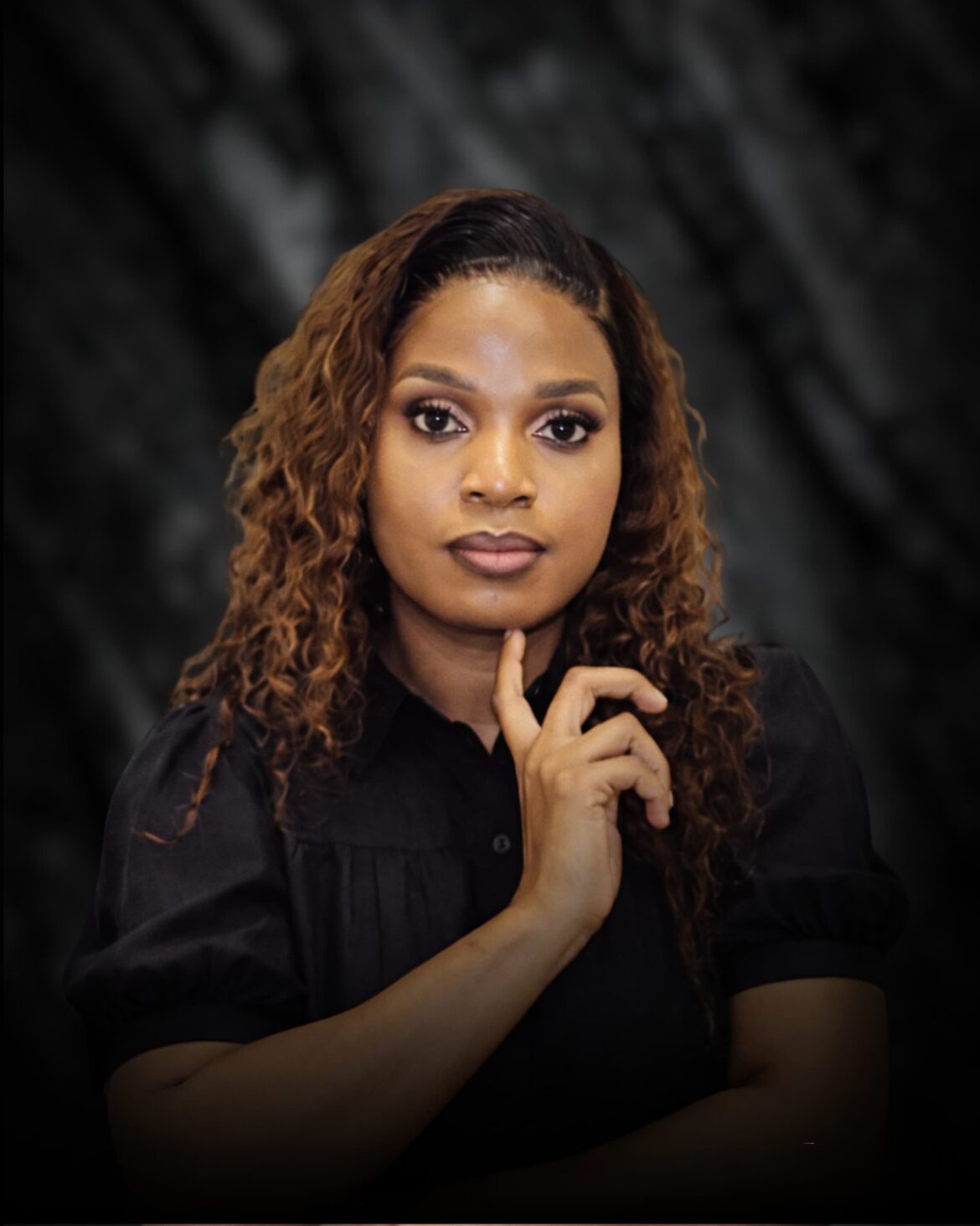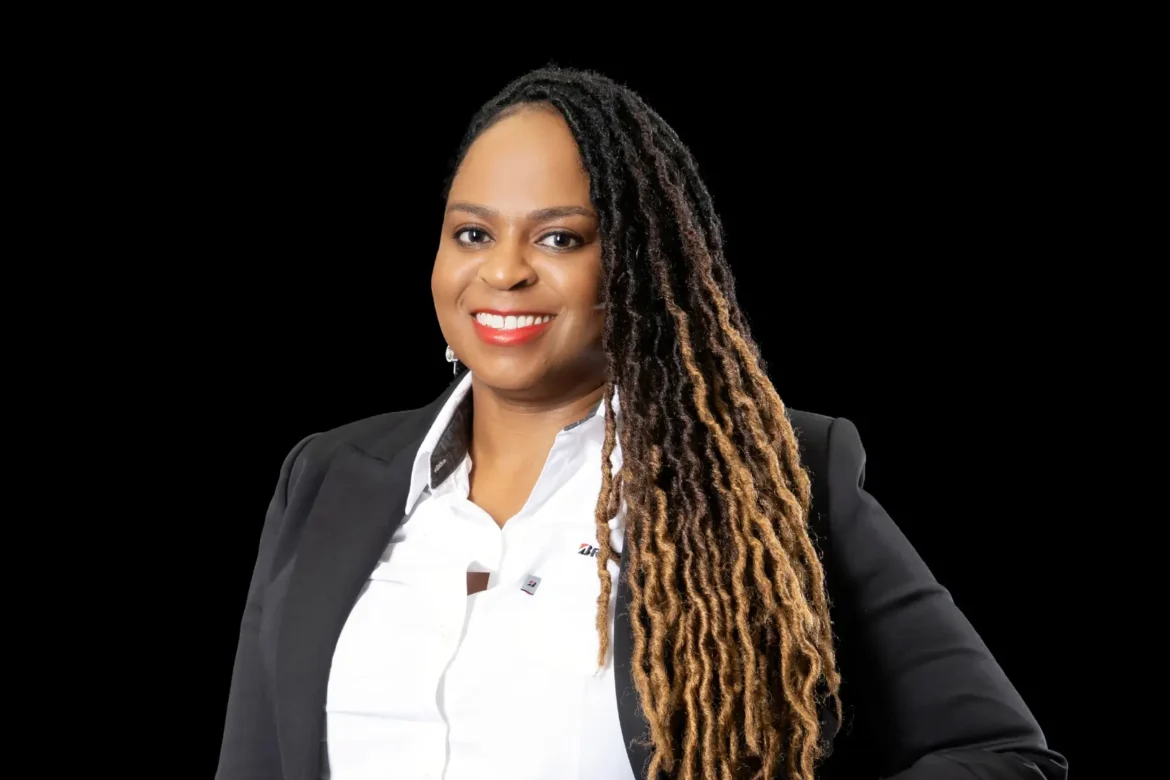

For Enifome Ogbimi, healing is not simply about recovering from the past. It is the foundation for women to rediscover who they are, rebuild their confidence and create lives defined by purpose rather than the circumstances they have survived.
Known as The Live Again Coach, Ogbimi is a transformational leader, global speaker and resilience coach whose work sits at the intersection of emotional healing, leadership development and economic empowerment. Through her work, she is addressing an issue she believes is often overlooked in conversations about women’s advancement: the long-term impact of trauma on identity, relationships, professional performance and economic independence.
Her approach is grounded in the belief that women cannot always be expected to build thriving lives while carrying unaddressed experiences of abuse, violence or trauma. Healing, in her view, is not a detour from leadership or success. It is part of the foundation required to pursue both.
Ogbimi is the Founder of the Live Again Foundation, through which she has led community outreach, shelter, rehabilitation and empowerment initiatives that have directly impacted more than 2,000 women across Nigeria. The organisation’s work is designed to move beyond immediate relief by helping women rebuild their lives with the support, skills and opportunities necessary for longer-term independence.
That distinction is central to Ogbimi’s philosophy. Providing assistance can help someone survive a difficult period, but creating the conditions for transformation requires addressing what happens next.
Through the Foundation, she works towards that next chapter, helping women recover their sense of identity, develop resilience and access opportunities that can support their independence.
Economic empowerment is therefore an important part of her work. Ogbimi is also the visionary behind Live Again Enterprise, a sustainability-driven social enterprise designed to create income opportunities for women while generating resources that can contribute to the Foundation’s long-term impact. By connecting products, skills and innovation with social purpose, the initiative reflects her belief that sustainable empowerment requires economic pathways, not only inspiration.
Her work extends into professional environments as well. As a speaker, trainer and consultant, Ogbimi works with organisations to help female professionals and leaders understand and navigate workplace trauma, strengthen emotional resilience and maintain performance without ignoring their wellbeing.
It is an increasingly relevant conversation in workplaces where the effects of personal and professional trauma can remain invisible. Ogbimi’s work encourages organisations to consider the human realities behind performance and leadership, while giving women practical tools to rebuild their confidence and capacity.
Her commitment to emotional healing and human development is also reflected in her professional affiliations, including membership of the American Psychological Association.
Recognition has followed her work across the continent. Ogbimi has been named among the 100 Most Influential Young Women in Africa and received the African Leading Women Award and Icons Africa Award. She has also been recognised among the Top 25 Public Voices in Development and Public Service.
Yet her ambitions extend considerably beyond recognition.
Ogbimi is intentionally working on becoming what she describes as a “whole leader” – one who is able to pursue impact without sacrificing authenticity or personal wellbeing. She is deepening her faith, strengthening her emotional resilience and learning to lead from authenticity rather than performance.
That includes the less visible work of leadership: learning to delegate, building sustainable systems and recognising that creating lasting impact cannot depend entirely on one person’s capacity.
For someone whose work is centred on helping others rebuild their lives, this is an important evolution. Ogbimi wants to create structures that can grow beyond her direct involvement and allow the Live Again vision to reach more women without compromising the quality or humanity of the work.
Her five-year ambition is significant. She wants LIVE AGAIN to become a globally recognised movement reaching millions of women affected by abuse and domestic violence, helping them heal from trauma, rediscover their identities and pursue emotional and economic empowerment.
She is already building towards that future by strengthening the Live Again Foundation, developing Live Again Enterprise as a sustainable social enterprise, creating scalable programmes and pursuing strategic partnerships that can extend the movement’s reach.
The ultimate goal is not simply to help women recover from what has happened to them. Ogbimi wants them to become leaders in their own lives and, eventually, sources of strength for the people and communities around them.
That focus on multiplication is an important part of her vision. A woman who regains her confidence and economic independence can influence her family. A woman who heals can create healthier relationships. A woman who learns to lead herself can begin leading others.
The impact therefore extends well beyond the individual.
Ogbimi’s own understanding of leadership has been shaped by the same principle. She believes that effective leadership begins internally, with the willingness to confront difficult experiences, develop emotional resilience and become increasingly self-aware.
It is why healing occupies such a central place in her work. She does not present it as an easy or linear process. Instead, she acknowledges its difficulty while emphasising its importance.
“Pain can make you bitter or better,” she says.
For Ogbimi, one of the greatest dangers is allowing the worst thing that has happened to a person to become the definition of who they are. Trauma may form part of someone’s story, but she believes it does not have to determine the rest of it.
Her message to women is consequently not to ignore pain or rush past it, but to do the difficult work of healing so that it does not continue to control their futures.
She also sees healing as an intergenerational act. When women address trauma and build healthier, more empowered lives, they can change the patterns and possibilities available to those who come after them.
That belief is reflected in the larger movement she is building. Live Again is ultimately about moving women from survival towards agency: from simply enduring circumstances to making decisions about who they want to become, how they want to live and what they want to build.
For Ogbimi, emotional wellbeing and economic empowerment are not separate conversations. A woman who is emotionally stronger may be better equipped to pursue education, employment, entrepreneurship and leadership, while economic independence can provide greater freedom and choice.
Bringing those elements together is what makes her approach distinctive. Her work asks a broader question of the systems designed to support women: what would change if empowerment addressed not only what women need to achieve, but also what they have had to survive?
Ogbimi is building her answer through a combination of community programmes, social enterprise, professional education, advocacy and leadership development. Her ambition is to create a movement where women are not defined by their pain, but supported in transforming it into resilience, purpose and possibility.
The scale of that vision is global, but its foundation remains deeply personal: the conviction that every woman deserves the opportunity to live again.
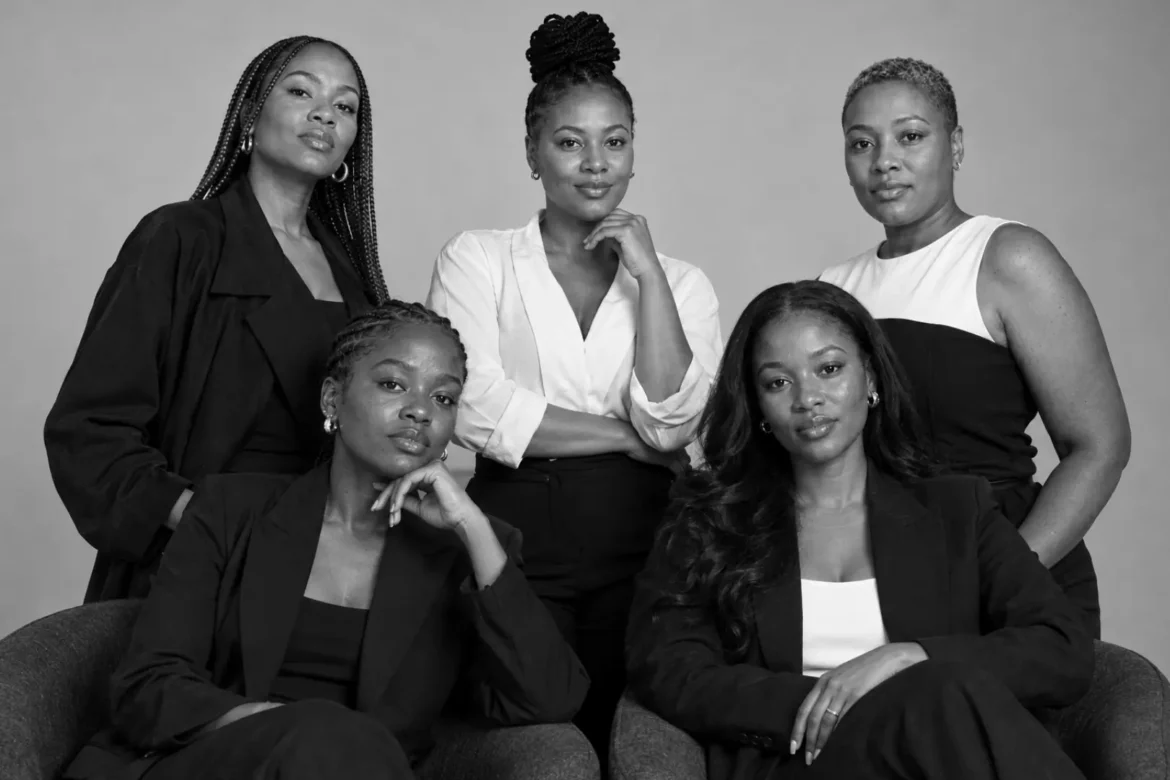
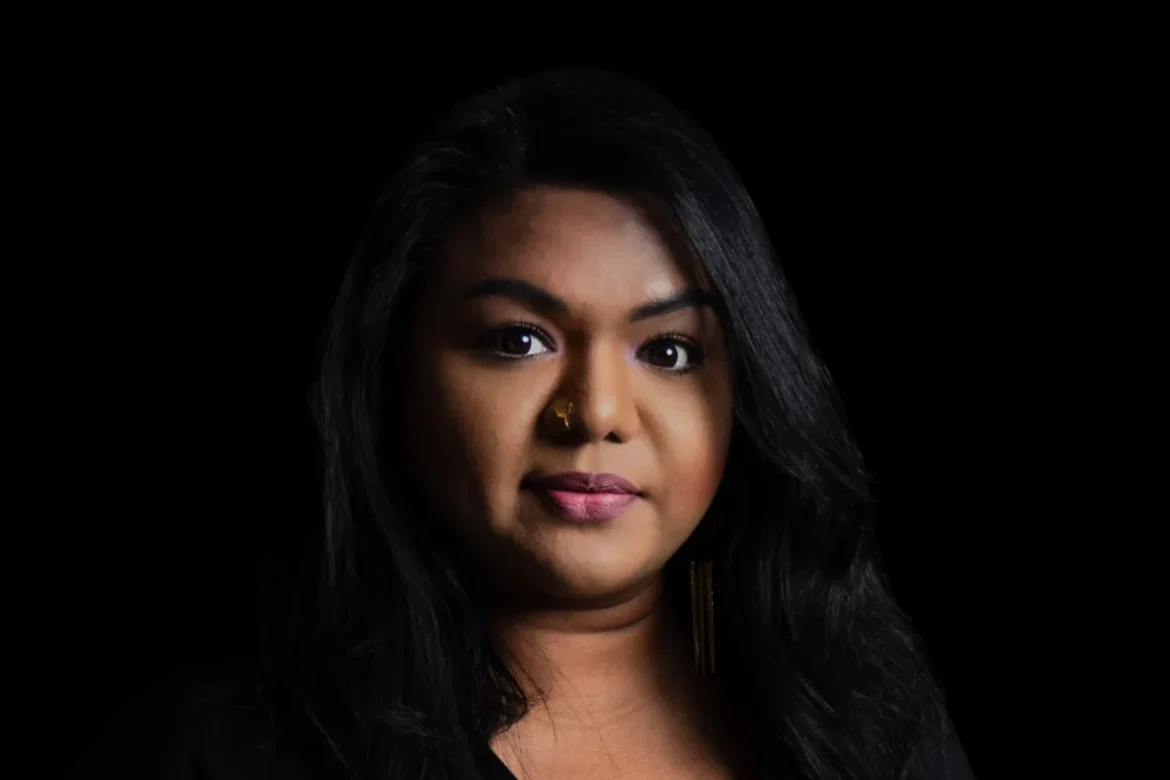
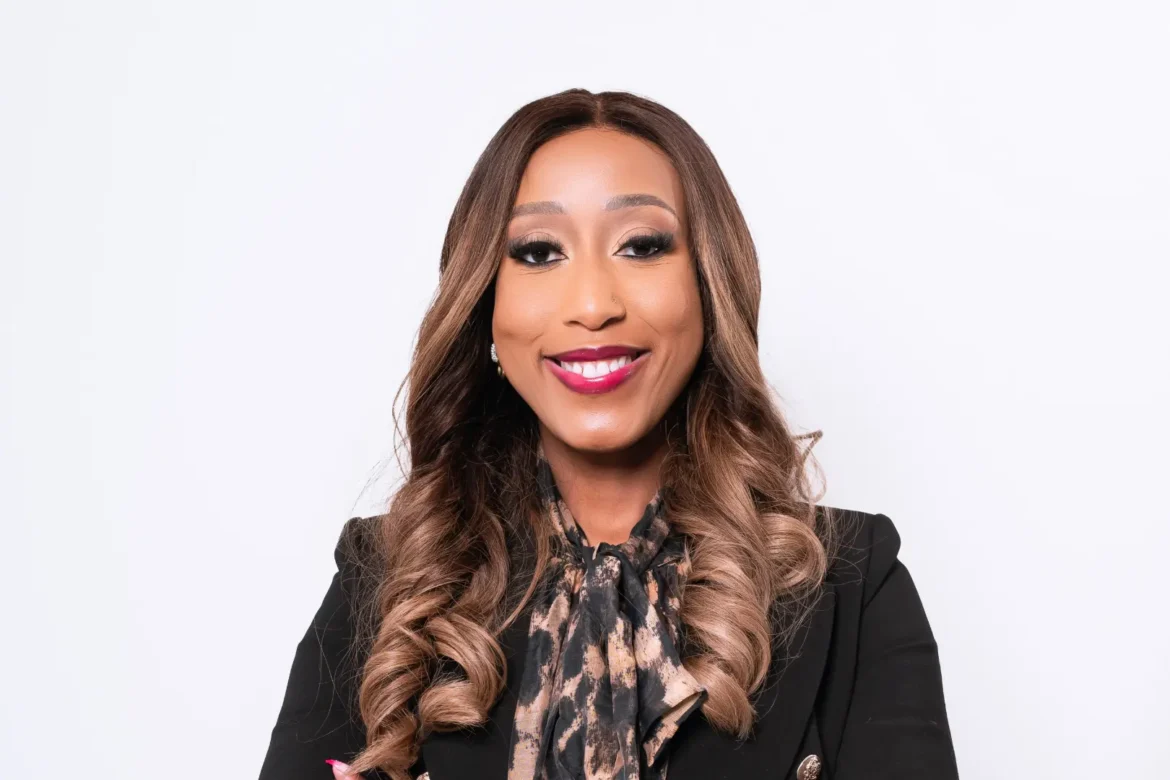
Enifome Ogbimi is an honouree in the 2026 Future 54 Leading Women Cohort, recognising women shaping Africa through leadership, innovation, entrepreneurship and meaningful impact.