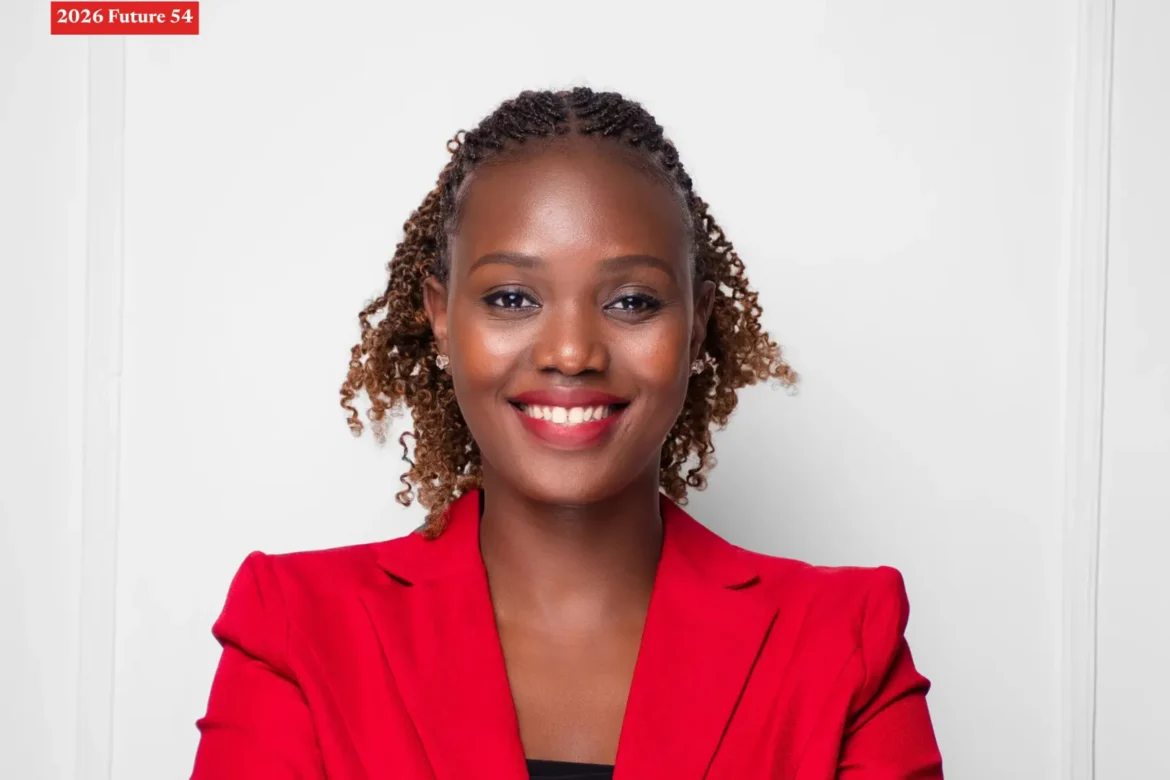
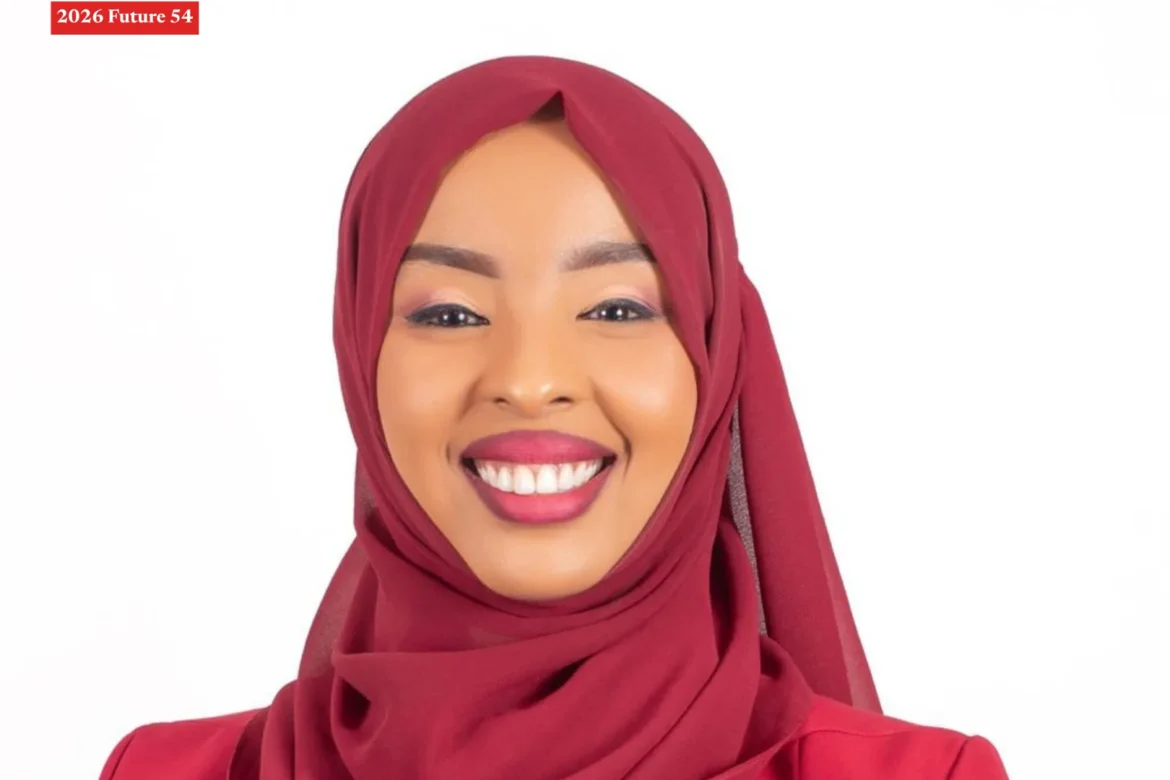
Africa is changing rapidly, and how that change is understood matters. For journalist and media professional Fathiya Nur, storytelling is not simply about reporting what happens. It is about helping audiences understand why it matters, challenging assumptions and creating space for a more nuanced picture of the continent.
A Kenyan journalist, commissioning editor and digital storyteller, Nur has built her career across some of the continent’s leading media organisations, including the BBC, KTN News and CGTN. Her work has taken her across Africa, reporting on political, social and cultural stories in countries including Zimbabwe, Ghana, South Africa, Ethiopia, Comoros and Kenya.
Her journalism has also brought her into conversation with some of Africa’s most influential figures, from political leaders and former presidents to musicians and business personalities.
That breadth of experience has shaped the way she approaches storytelling.
Nur’s career began in Kenyan media before taking her to international platforms. She worked at CGTN early in her career, followed by roles at K24 and KTN News, before joining the BBC in 2018. She later returned to KTN News, where she became a news anchor and helped create World Report, an international news programme that became a flagship show for the station.
In 2024, she returned to CGTN Africa as Commissioning Editor for Faces of Africa, a role focused on African storytelling and documentaries.
The progression reflects a career that has increasingly moved beyond the daily news cycle towards deeper storytelling about the continent and its people.
But Nur is also part of a generation of journalists redefining what it means to be a media professional.
Traditional broadcasting remains an important part of her work, but digital platforms have given her another way to communicate directly with audiences. Through social media content, she translates complex political and global issues into accessible conversations, making information easier to engage with while encouraging audiences to think more critically about the world around them.
That shift is significant in an African media environment where younger audiences increasingly consume news and analysis through digital platforms. For Nur, being a journalist today means understanding both the responsibility of accurate reporting and the opportunities created by new forms of storytelling.
Her participation in the Lavwa Lenpak Africa Content Creators Program, the Pulitzer Center’s initiative for emerging African creators, reflects that intersection between journalism, digital influence and public discourse. It is a space she is deliberately growing into.
Nur is also increasingly interested in the role media can play in changing how Africa is understood, both by Africans and by audiences around the world. She wants to tell stories that move beyond familiar narratives of crisis and limitation to highlight solutions, innovation and the people actively shaping the continent’s future.
For her, that means asking better questions and making room for voices that are often missing from mainstream conversations.
Her leadership philosophy reflects the same intentionality. Nur is working towards becoming a leader grounded in purpose rather than external validation. She recognises that meaningful careers are rarely built through a single defining achievement. Instead, they develop through consistency – continuing to learn, creating meaningful work and showing up even when there is no immediate recognition.
That discipline has become particularly important as she expands her work beyond conventional journalism.
She is also learning to lead with empathy, curiosity and humility. Influence, she believes, comes with responsibility. The goal should not simply be to have an audience, but to use that audience thoughtfully: to amplify underrepresented voices, encourage informed dialogue and create opportunities for others, particularly young Africans and women.
That commitment to developing others is already becoming part of her work. Alongside her media career, Nur has taken on mentorship and youth-focused initiatives, helping emerging professionals navigate their careers and build confidence. Her recent work as a mentor with the Global Mentorship Initiative, for example, has focused on supporting young people as they prepare for their first careers.
It is an extension of the kind of impact she hopes her career will have. Over the next five years, Nur wants her work to contribute to changing how Africa is represented and understood. She wants to create journalism and conversations that challenge stereotypes, highlight solutions and elevate the people driving meaningful change.
One part of that vision is the development of her own podcast, creating a space for longer and more thoughtful conversations about Africa and the issues shaping its future.
The ambition is to create better conversations.
For Nur, storytelling can be a tool for education, leadership and transformation. A well-told story can make a complicated issue accessible. It can challenge an assumption. It can introduce audiences to someone whose work deserves greater attention. And it can help young people see possibilities for themselves that they may not have considered before.
Her own career has been built through that willingness to keep moving into unfamiliar territory.
One of the most important lessons she has learned is that you do not need to feel completely ready before pursuing your purpose.
For a long time, she believed she needed more experience, confidence or the perfect opportunity before taking the next step. She has since learned that growth comes through action.
That lesson has also helped her resist another common obstacle: comparison.
Every woman’s journey is different, she says, and measuring personal progress against someone else’s path can quietly erode confidence. Instead, she encourages women to trust their own journeys, remain consistent and stay willing to learn.
It is advice that feels particularly relevant to a career built in an industry where visibility can easily become confused with impact.
Rather than measuring her progress solely by the size of her audience or the prominence of the platforms she works for, Nur is increasingly focused on what people take from her work and the conversations it helps create. She is also attentive to whether her storytelling gives greater visibility to people whose voices are often overlooked, recognising that impact is not only about being seen, but about making space for others to be heard.
Her vision for the future of African storytelling is therefore both ambitious and deeply purposeful: journalism that informs without simplifying, storytelling that challenges without sensationalising and media that gives audiences a fuller understanding of the continent they live in and the one the world sees.
The work is already underway.
Through broadcast journalism, digital storytelling, mentorship and her growing focus on long-form conversations, Nur is building a career around the belief that Africa deserves to be told in all its complexity – by people who understand its challenges, recognise its possibilities and are committed to shaping the narrative rather than simply inheriting it.
Fathiya Mohamed Nur is an honouree in the 2026 Future 54 Leading Women Cohort, recognising women shaping Africa through leadership, innovation, entrepreneurship and meaningful impact.