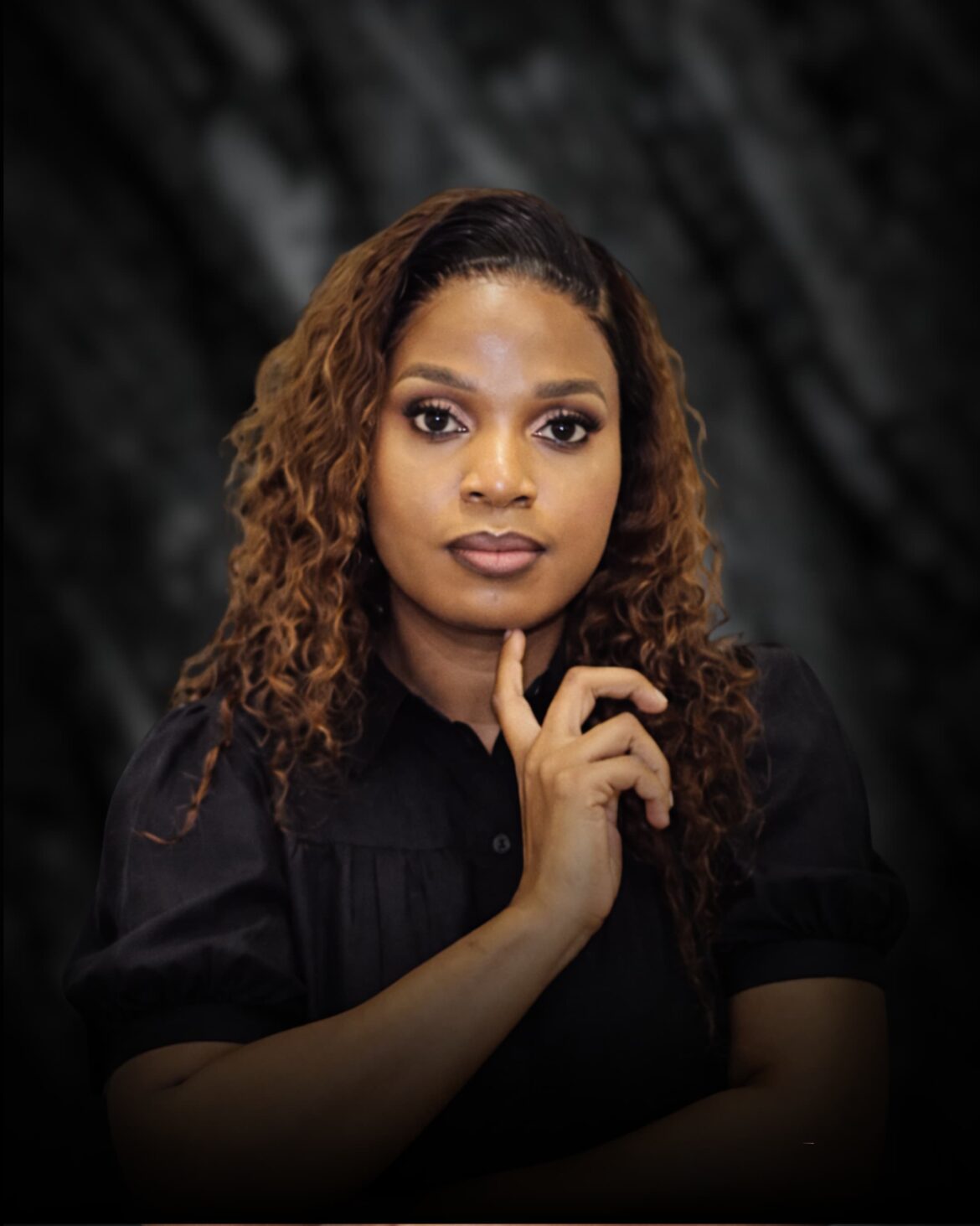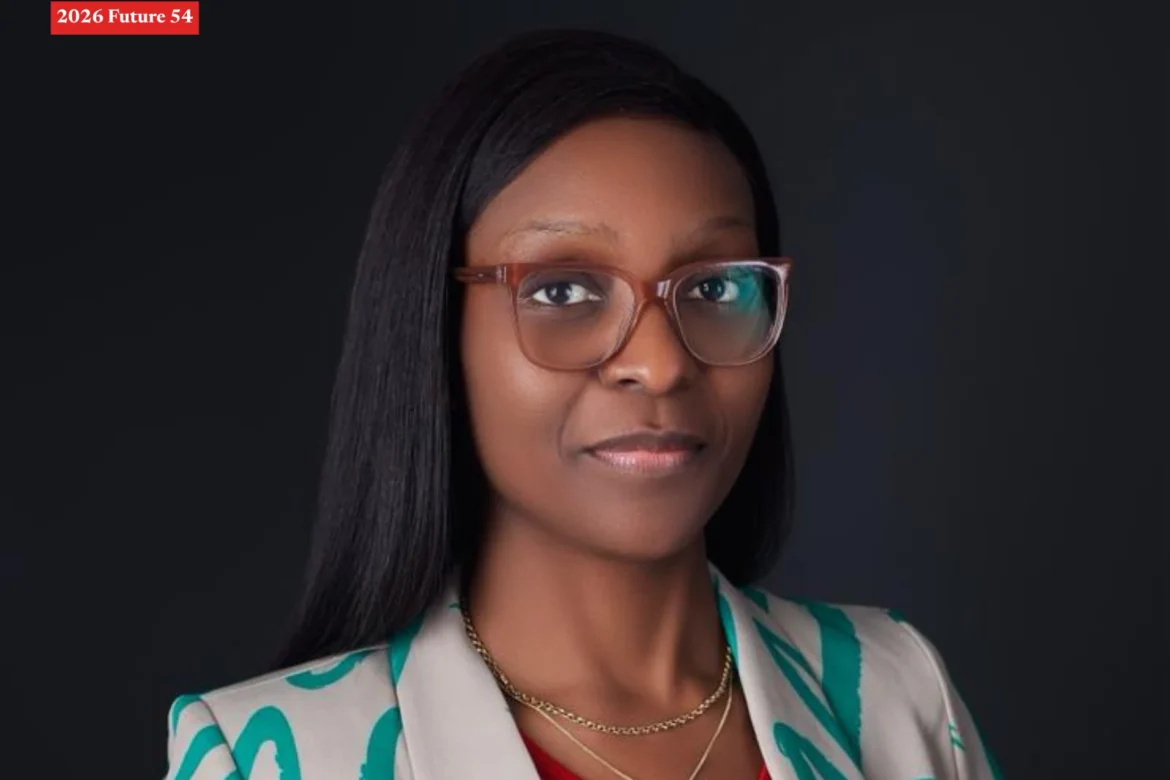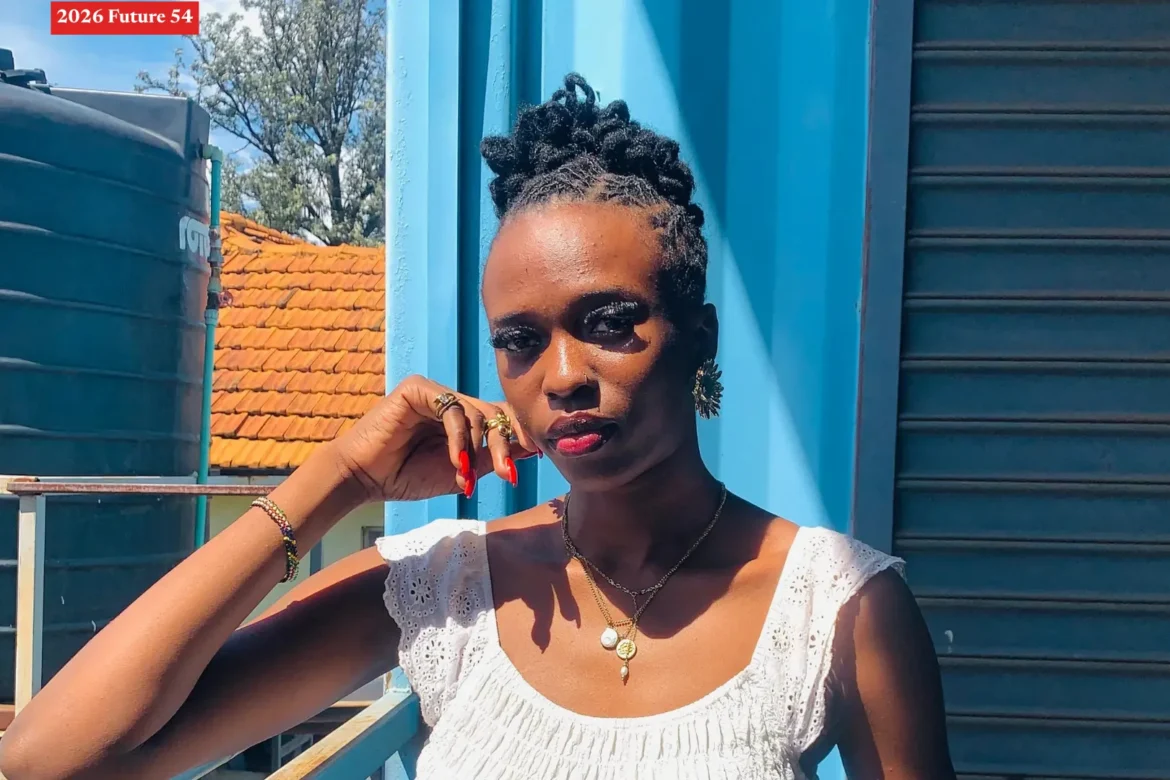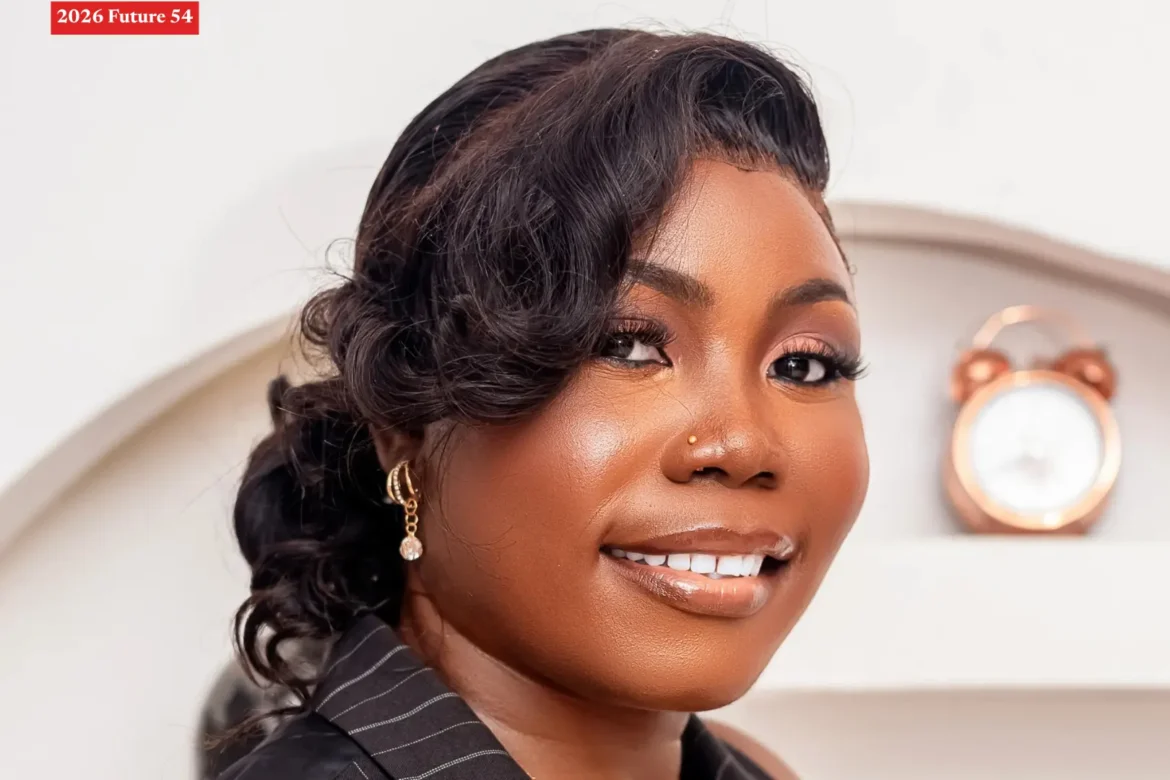
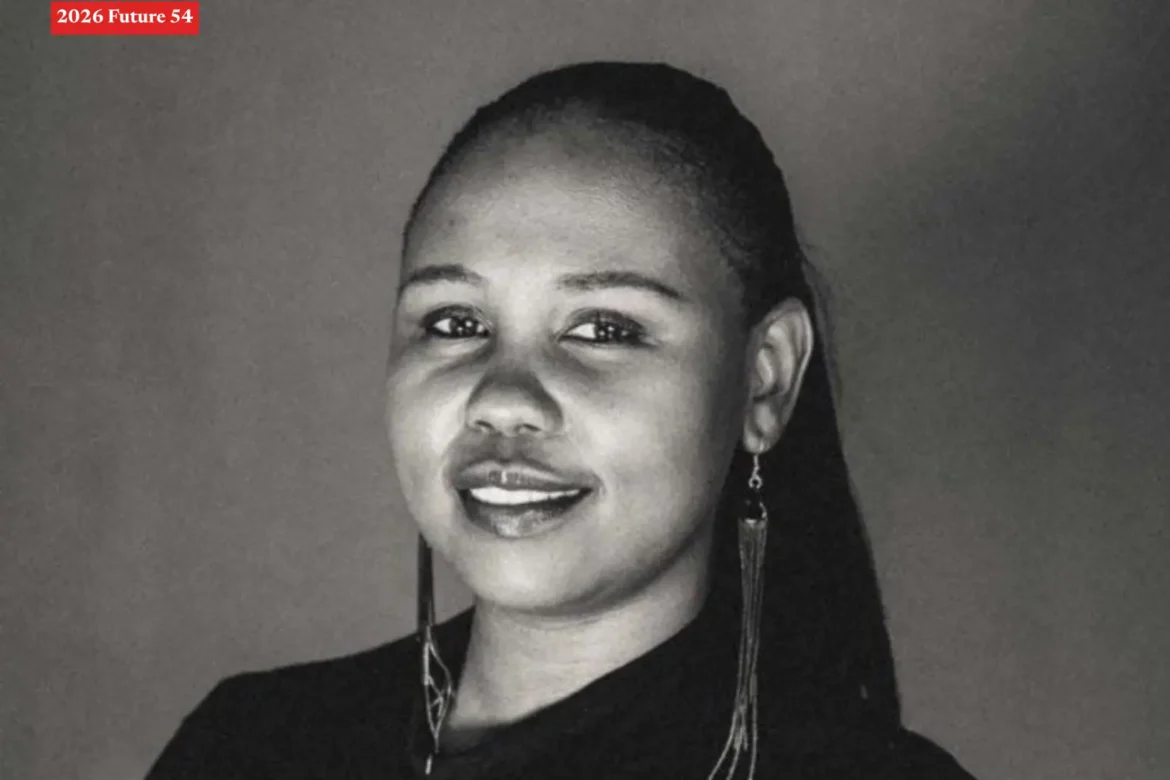
Morwesi Ndlovu understands that changing a conversation can be the beginning of changing a system. A strategic communications and social impact professional with more than a decade of experience, she has built a career around using storytelling, education and creativity to help people engage with issues that directly affect their lives.
As the founder and Managing Director of Mo&Co Art Studio and founder of the That’s On Period Movement, Ndlovu works at the intersection of communications, education and advocacy. Her work has spanned youth development, health promotion, gender equity and social innovation, with a particular focus on turning complex social issues into conversations people can understand and act on.
Her professional experience has taken her across the public, private and non-profit sectors. She has worked with organisations including Pan Macmillan South Africa, Digify Africa, the United Nations Population Fund and UNICEF, as well as initiatives delivered in partnership with South Africa’s National Department of Health and National Department of Sport, Arts and Culture.
She has also contributed to MTV Shuga Down South Season 2, supporting social media strategy and digital engagement around psychosocial support, helping connect young audiences with conversations and resources relating to mental health and wellbeing.
Across these different environments, one capability has remained consistent: Ndlovu knows how to turn information into engagement.
As a curriculum and programme developer, she has designed learner-centred frameworks, facilitator guides, workshops and engagement tools that make complicated subjects accessible and interactive. Her approach combines strategic communication with behavioural insights and creative facilitation, with the goal of moving people beyond awareness towards meaningful action.
That philosophy has become particularly important in her work around menstrual health.
Through the That’s On Period Movement, Ndlovu is working to broaden the conversation around menstruation beyond period poverty and access to products. Her ambition is to address menstrual health as an issue of dignity, education, gender equity and community wellbeing.
She wants young girls to be able to navigate menstruation with confidence and accurate information, while encouraging boys and men to become active participants in creating supportive environments.
Recent work by the movement has included school-based menstrual health activations designed to challenge myths and stigma while encouraging young people to have open conversations about menstruation.
For Ndlovu, this is part of a much bigger vision.
Over the next five years, she wants to develop That’s On Period into a sustainable social impact platform capable of creating long-term change across communities. Rather than building interventions that depend on individual campaigns, she wants to develop scalable educational models, partnerships and systems that can continue creating impact.
That emphasis on sustainability also reflects how her own approach to leadership is changing.
Ndlovu is intentionally learning to become a leader who is as sustainable as she is ambitious. For years, passion and purpose drove her to put the mission first, sometimes at the expense of her own capacity. Now, she is learning that sustainable impact requires boundaries, patience and the ability to ask for support.
It is a lesson that many purpose-driven leaders eventually encounter: caring deeply about an issue does not mean carrying everything alone.
Ndlovu is therefore becoming more intentional about building teams, partnerships and systems that can sustain an idea beyond the person who started it.
That shift is important because her ambitions extend far beyond individual projects.
She wants to create programmes that influence behaviour, equip young people with knowledge and skills, and give communities greater ownership of the issues affecting them. She sees strategic partnerships as essential to that work, bringing together schools, NGOs, corporates and community stakeholders around solutions that can be sustained.
Her approach is grounded in a belief that creativity and strategy are not competing forces. Creativity can make people care. Strategy can make change possible. Partnerships can give that change the scale and longevity it needs. Together, they form the foundation of the kind of social impact Ndlovu wants to build.
Her own development as a leader is also increasingly focused on resilience, confidence and emotional intelligence. She is learning to make decisions with greater certainty while remaining open to listening and adapting.
For Ndlovu, leadership is not about having every answer. It is about creating environments where other people feel seen, valued and empowered to contribute.
That philosophy is reflected in the advice she offers other women.
One of the most important lessons she has learned is that a vision does not need permission to exist. Women can easily find themselves waiting for the right credentials, resources or validation before acting on an idea. Ndlovu believes progress often begins much earlier, with the willingness to start, learn, adapt and keep moving despite uncertainty.
She has also learned that resilience does not mean carrying everything alone.
Asking for support, building meaningful relationships and allowing other people to contribute are not signs of weakness. They are part of building something that can last.
That lesson has influenced the kind of impact she wants to create. Ndlovu does not simply want to inspire people through campaigns. She wants to build the conditions in which people can continue creating change after the campaign ends.
That means developing education programmes that can be replicated, partnerships that can grow and communities that have the knowledge and confidence to advocate for themselves.
Her work around menstrual health provides one example of that philosophy in practice. The challenge is not only ensuring that young people have access to menstrual products. It is creating environments where menstruation can be discussed without shame, where young people understand their bodies and where schools and communities have the tools to respond.
For Ndlovu, changing those environments requires both communication and infrastructure.
Her career has prepared her to work across both. The communications strategist in her understands how to tell stories that capture attention. The curriculum developer understands how people learn. The social impact practitioner understands the importance of evidence and partnerships. And the founder understands what it takes to turn an idea into something that can operate in the real world.
That combination is becoming her distinctive leadership contribution.
She is building a career in which creativity is not simply an aesthetic choice, but a mechanism for social transformation.
Her five-year vision is ultimately about creating a more informed, empowered and equitable society, particularly for young people who are too often excluded from conversations about their own lives. And she is clear that sustainable change will not come from one organisation or one campaign, it will come from people working together, using different forms of expertise to solve shared problems.
Ndlovu’s role is to help bring those pieces together – through communication, education, creativity and partnerships – and to create spaces where people can participate in shaping the solutions.
She is also determined to make space for herself along the way. Her evolving understanding of leadership recognises that purpose should not require self-abandonment. She can remain ambitious without burning herself out, compassionate without losing boundaries and committed to change without believing she has to carry the entire vision alone.
That may ultimately be one of the most important shifts in her leadership journey. Ndlovu is not simply learning how to create impact, she is learning how to build impact that lasts.
Morwesi Ndlovu is an honouree in the 2026 Future 54 Leading Women Cohort, recognising women shaping Africa through leadership, innovation, entrepreneurship and meaningful impact.