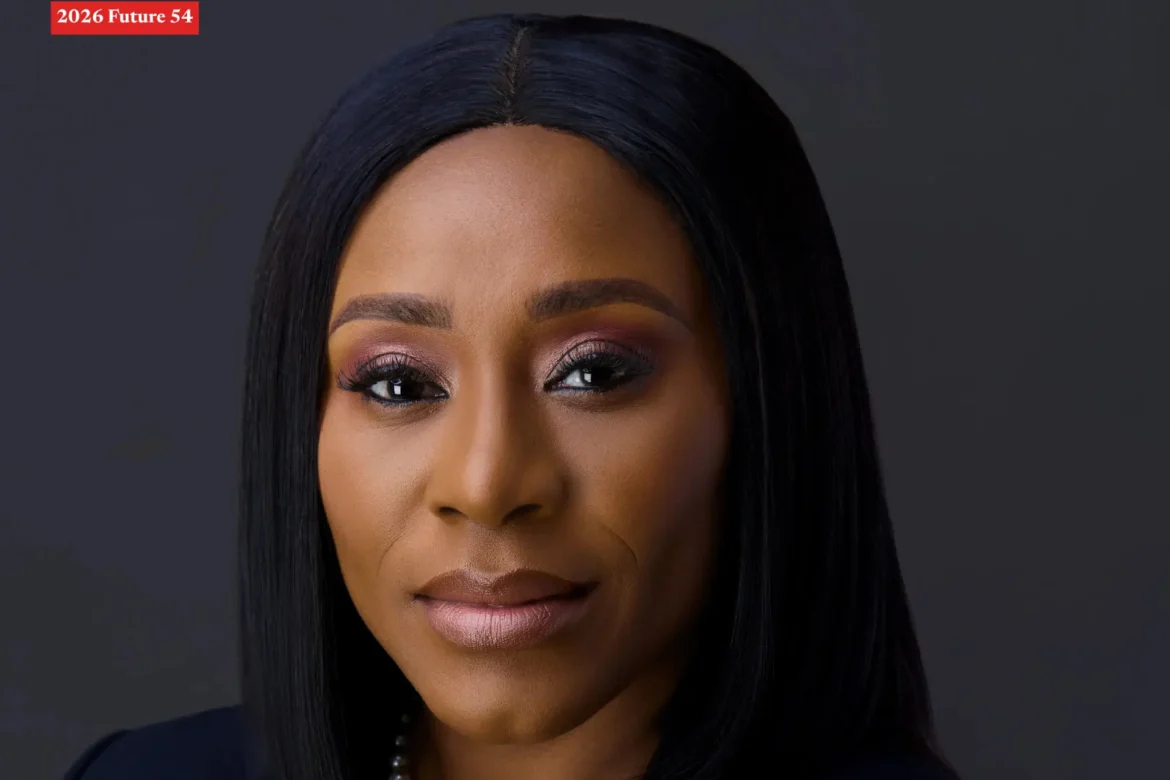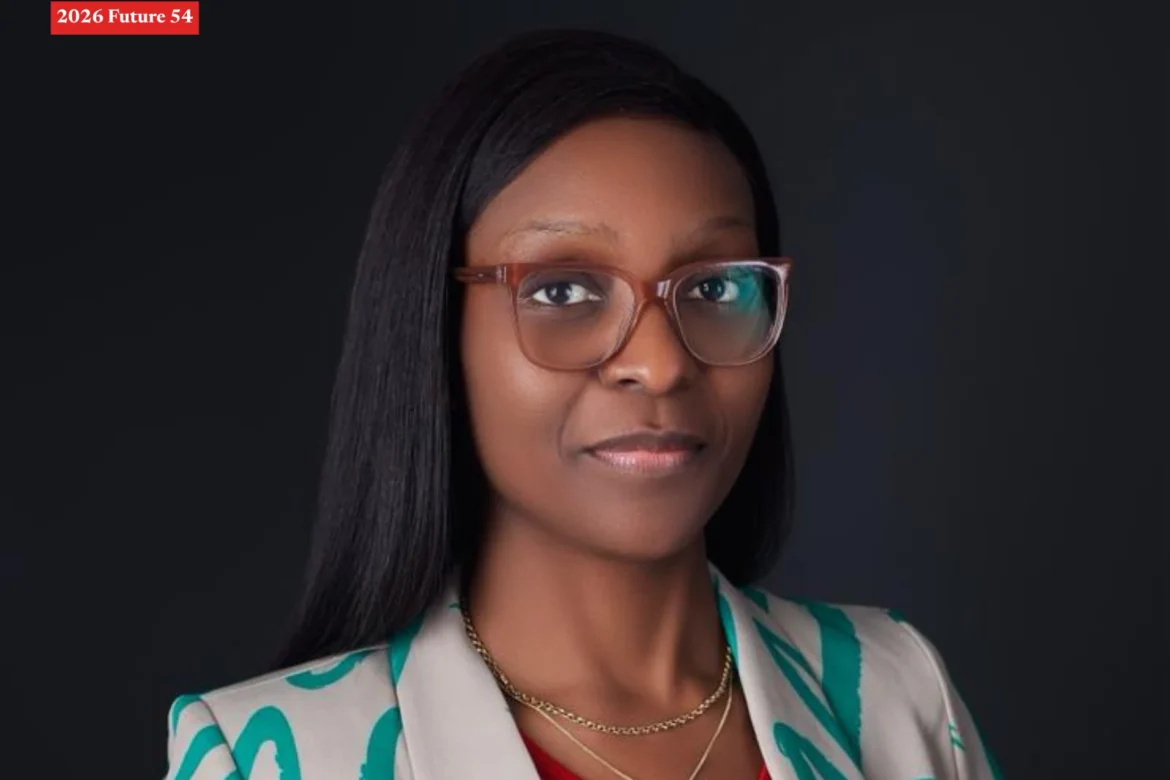

At 19, with just R50, a free Instagram page and no clear roadmap for what would come next, Tshaamano Mabuba started Buddy Learning. What began as a small tutoring initiative has since evolved into an award-winning education technology company, with Mabuba building at the intersection of artificial intelligence, education and youth employment.
The idea behind Buddy Learning is rooted in a problem Mabuba understood personally: talent is widely distributed, but opportunity is not. Growing up in Limpopo and later moving to Johannesburg, she experienced the challenges that can arise when learners have potential but do not have equal access to educational support. Her own experience of navigating language and educational barriers helped shape her conviction that technology should adapt to learners rather than expecting every learner to adapt to the system.
Mabuba initially built Buddy Learning as a tutoring platform connecting learners with young tutors. The model has since expanded into a broader EdTech ecosystem supporting learners, parents, schools and businesses, with academic resources and personalised learning support. Along the way, the business has also created income opportunities for young people, reflecting Mabuba’s belief that solving one inequality should not mean overlooking another.
Today, one of the most significant expressions of that vision is BuddyAI, a multilingual AI tutor accessible through WhatsApp. Designed to provide curriculum-aligned learning support in a format that is already familiar to millions of people, the platform allows learners to interact through messages, pictures and voice notes. Mabuba’s ambition is to make personalised academic assistance available to learners who might otherwise never have access to a private tutor.
The technology is also deliberately contextual. Mabuba is not interested in simply importing an AI model and placing it in an African classroom. She is building with African learners in mind – their languages, educational environments, confidence levels and lived realities. Her work reflects a growing understanding that the next generation of African technology cannot only be about access to digital tools. It must also be about whether those tools understand the people they are designed to serve.
That conviction has already taken BuddyAI into communities that have historically been underserved by technology and education infrastructure. In 2026, Mabuba announced the activation of BuddyAI in Alexandra, describing the move as part of an effort to put educational support within reach of learners through a WhatsApp message, picture or voice note.
The scale of the opportunity is significant, but Mabuba’s approach remains grounded in experimentation and listening. She is continuing to test the technology with real users, refine the product around learner feedback and build partnerships with schools, organisations and education programmes. At the same time, she is developing the business infrastructure required to make the model sustainable, from fundraising and team-building to responsible scaling.
Her own development is happening alongside that growth. Mabuba is pursuing postgraduate studies in Computer Science through the University of London, building on an academic foundation spanning actuarial science, mathematical sciences, statistics, data analytics and software engineering. The combination gives her a distinctive perspective: she understands both the technical architecture behind emerging technologies and the human problem that the technology is intended to solve.
That breadth has made her a visible figure in Africa’s emerging technology and entrepreneurship ecosystem. Her recognition includes the Allan Gray Orbis Foundation Founder’s Pitch, the SA Future Trust Youth Entrepreneur of the Year award, the MTN Youth Hustle Hub, the Africa Tech Festival’s Top Ten African Startups, the Tony Elumelu Foundation programme and the Injini EdTech Fellowship. In 2026, she was also recognised as a Tony Elumelu Foundation Fellow.
But the most important part of Mabuba’s story may be what she is learning about leadership while building. At a relatively young age, she has already had to navigate the pressure of entrepreneurship, the expectations placed on young women in technology and the uncertainty that comes with building something that does not yet have a proven blueprint.
Her intentional work now is less about proving that she can withstand pressure and more about learning how to lead through it. She is developing emotional regulation, discipline, clarity and the willingness to rest and ask for help. She is also learning to trust her voice in rooms where she may be the youngest person, the only woman or the person still learning.
That distinction matters to her. Mabuba does not want ambition to come at the expense of softness, excellence to become perfectionism or resilience to become a reason to carry everything alone. The leader she is becoming is one who can remain intellectually sharp and deeply ambitious while still being generous, grounded and human.
Her five-year vision is therefore much larger than building a successful EdTech company. She wants Buddy Learning to become part of the reason thousands of African learners stop believing that quality education is reserved for those who can afford private tutors, expensive schools or fluency in English. She sees personalised, multilingual learning as a potential catalyst for stronger STEM pipelines, greater confidence and more inclusive pathways into future work.
The work being done today is deliberately aligned to that ambition. Mabuba is building and testing BuddyAI, expanding the tutoring network, listening to learners, strengthening the team and developing partnerships that can help the technology reach more communities. She is also learning how to scale responsibly – an important distinction in a sector where technological possibility can easily outpace the systems needed to deliver meaningful impact.
There is a personal philosophy behind that ambition. Mabuba has learned that being underestimated can become fuel, but it should never become an identity. The need to prove doubters wrong may create momentum, but it cannot be the foundation on which a meaningful life or company is built.
Instead, she is choosing conviction over comparison. Her advice to other women is not to wait until they feel completely ready, confident or resourced. Start with what you have, keep learning and allow clarity to emerge through action. Buddy Learning itself is evidence of that philosophy: Mabuba did not begin with the resources of an established technology company. She began with an idea, limited resources and a willingness to build.
There is something significant about the problem Mabuba has chosen to tackle. Education inequality is not solved by technology alone, but technology can change who gets access to support, how that support is delivered and who gets to participate in building the solutions. By bringing together AI, multilingual learning, tutoring and youth employment, she is working towards an education ecosystem that is more accessible and more reflective of the realities of African learners.
At just 23, Mabuba is already demonstrating what that kind of future-facing leadership can look like: technically ambitious, socially conscious and deeply rooted in the belief that African innovation should be built around African realities. Her work is not simply about creating a smarter tutor. It is about making opportunity feel less dependent on where a learner lives, what language they speak or what their family can afford.
Tshaamano Mabuba is an honouree in the 2026 Future 54 Leading Women Cohort, recognising women shaping Africa through leadership, innovation, entrepreneurship and meaningful impact.