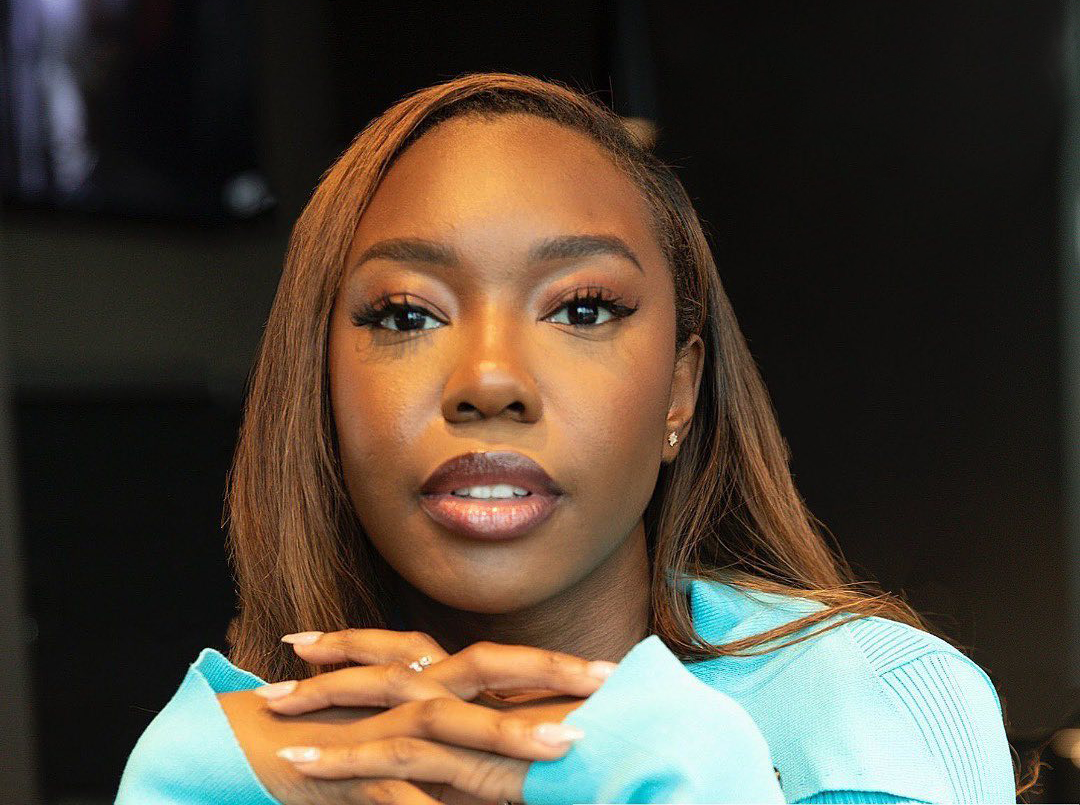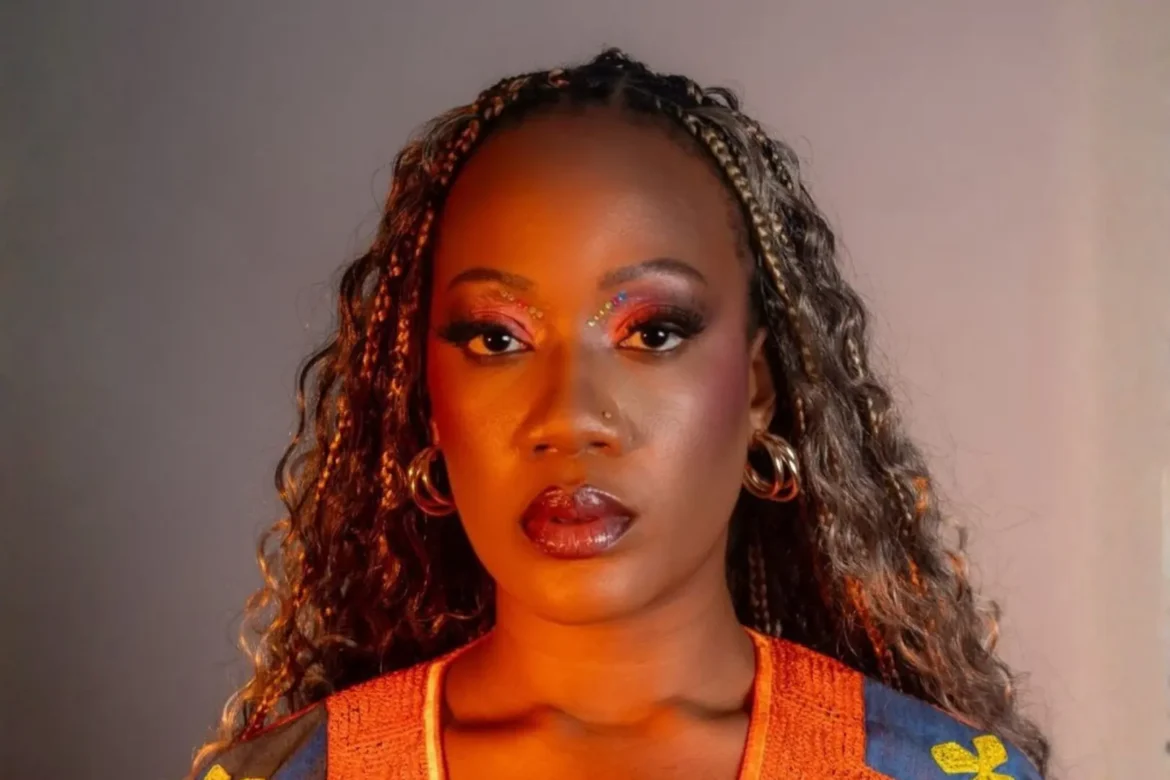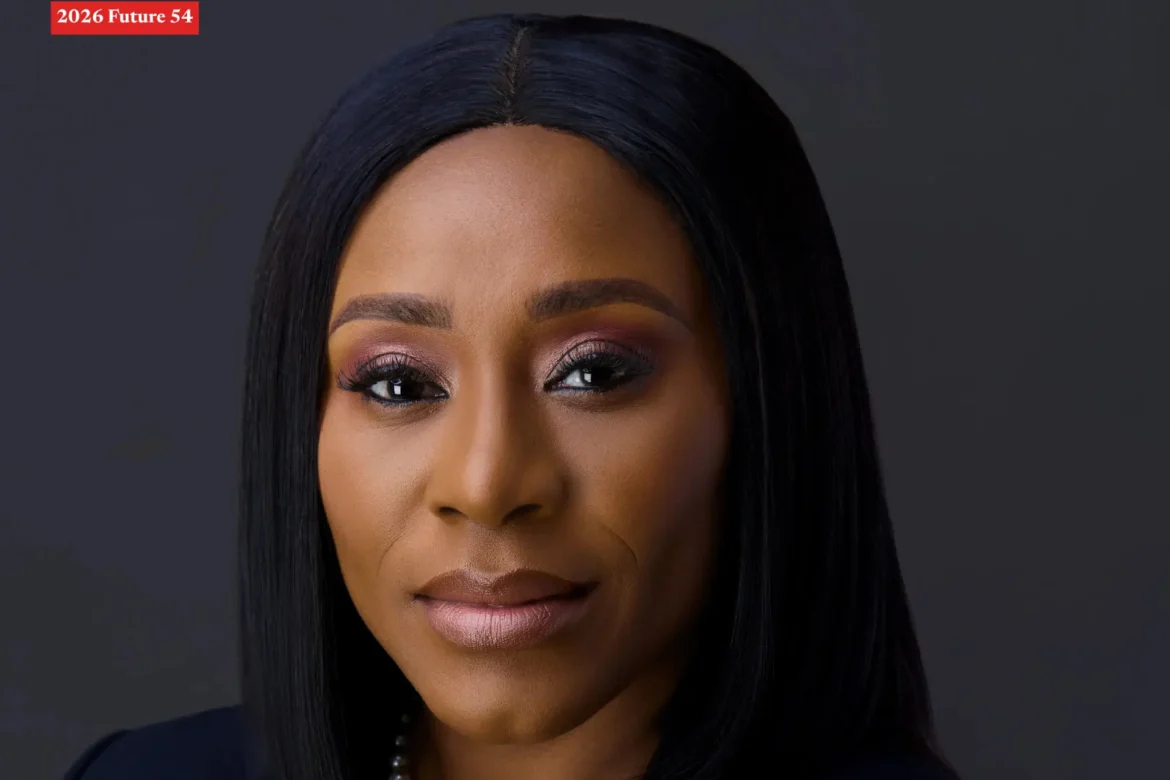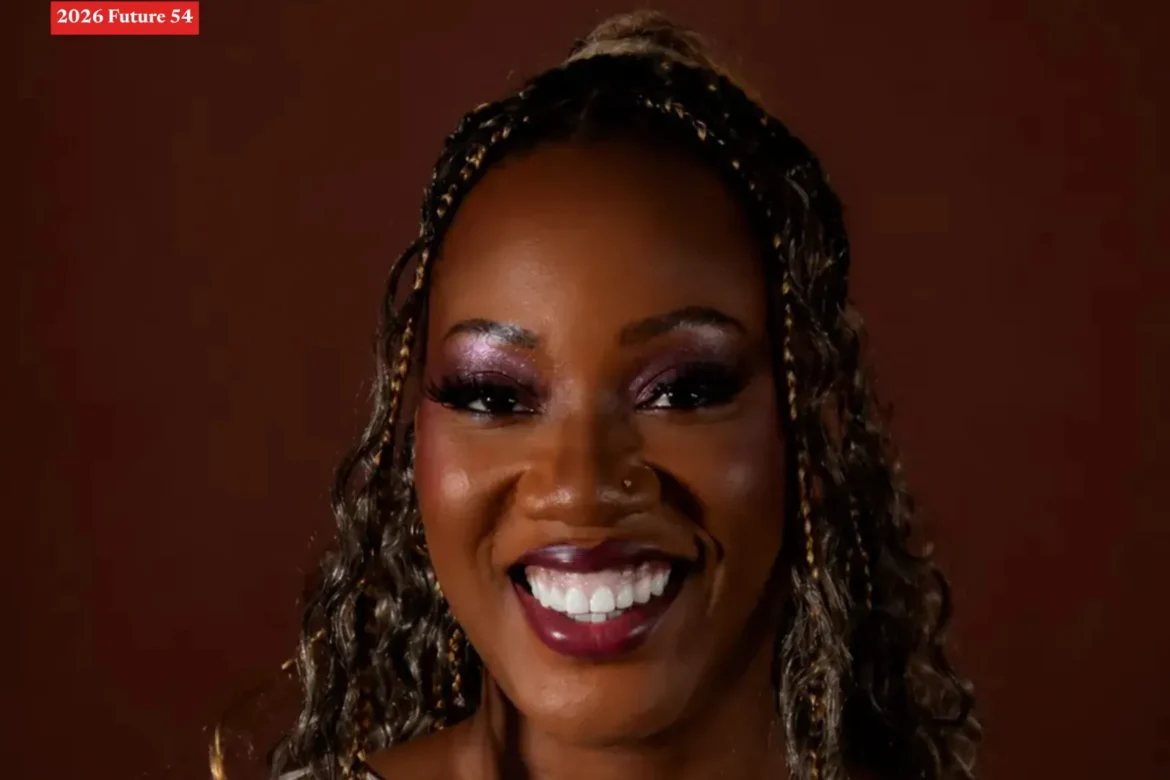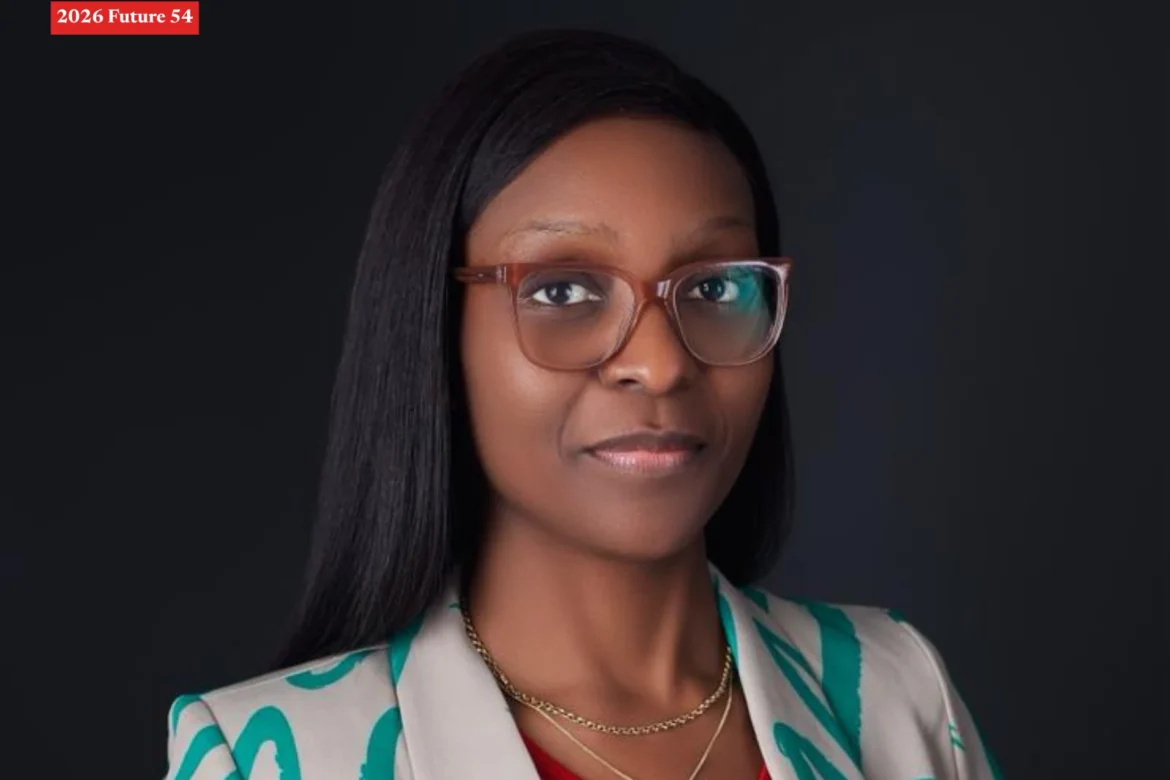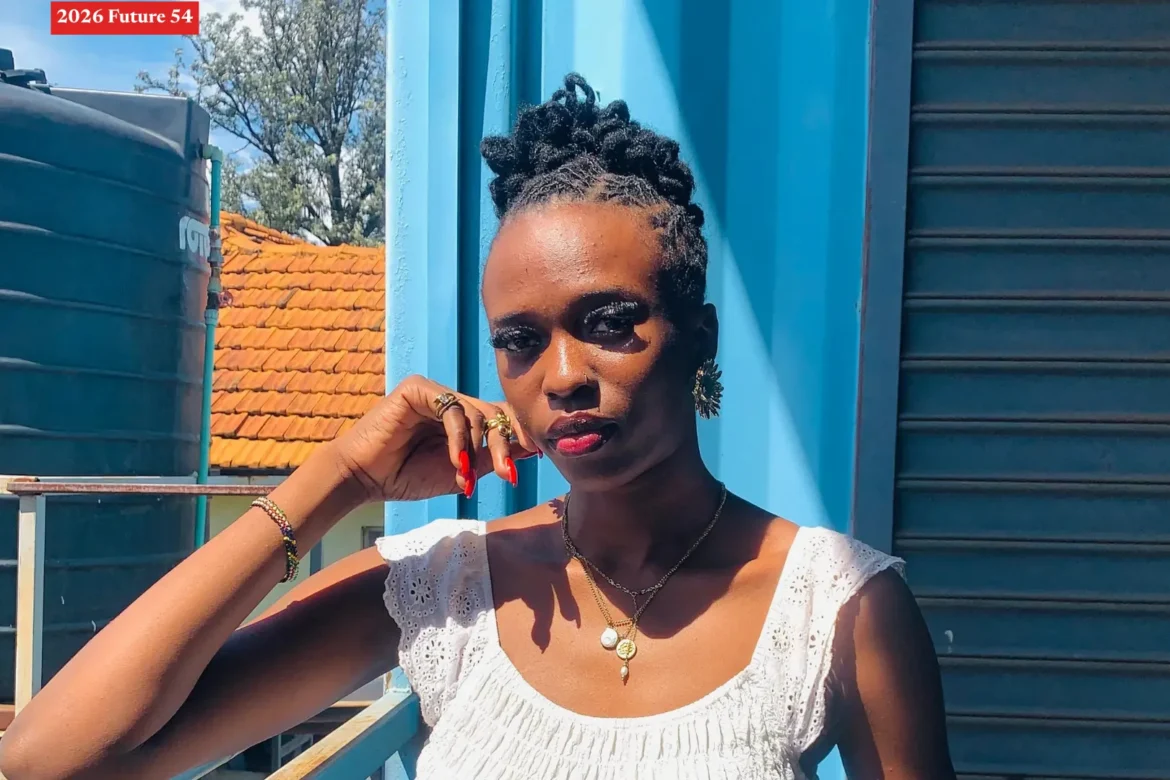
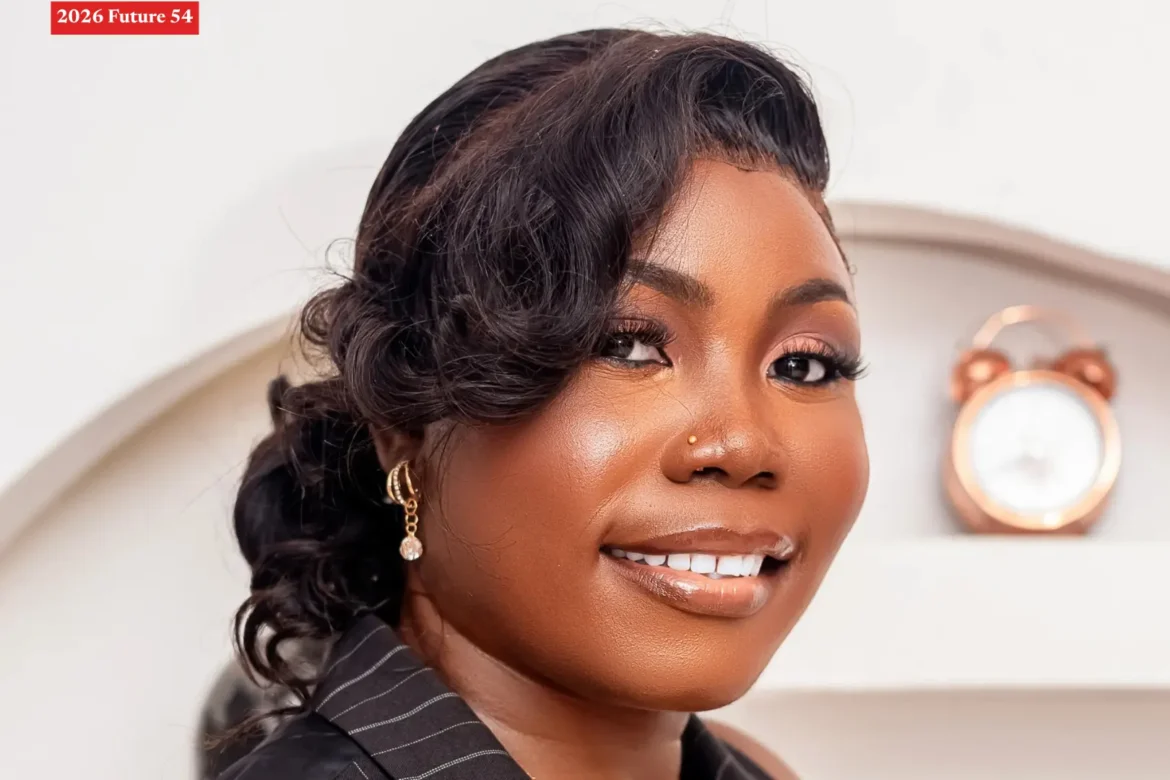
In a culture where celebration is deeply woven into community life, Zainab Olayiwola sees an opportunity that is often overlooked: what if the way Africa celebrates could also become part of the way it responds to environmental challenges?
That question sits at the heart of Ecowambe, the cultural sustainability movement she founded to reimagine climate action through African culture, celebration and community. Rather than presenting sustainability as a distant environmental issue or a collection of restrictions, Olayiwola is exploring how it can become practical, engaging and deeply connected to the way people already live.
Her work brings together sustainability advocacy, social entrepreneurship, environmental education and storytelling, with a particular interest in circular economy solutions and youth engagement. The ambition is both simple and significant: to make sustainable choices feel less like an obligation and more like a natural part of African life.
Ecowambe emerged from that idea. Its work focuses on rethinking the environmental impact of celebrations while preserving the cultural richness that makes them meaningful. In 2025, the initiative brought that vision to life through an eco-conscious celebration in Ibadan, combining fashion, music, food and cultural experiences with more intentional approaches to sustainability. The event demonstrated the central proposition behind Ecowambe – that environmental responsibility does not have to come at the expense of enjoyment, beauty or culture.
The concept has since continued to develop. Ecowambe is described as the social enterprise arm of Feferity, a sustainable event brand working to redefine celebration in Africa through the combination of culture, creativity and environmental responsibility. Its approach includes areas such as reusable and biodegradable décor, eco-conscious event planning, vendor curation, sustainability consulting and workshops focused on sustainable living and conscious celebration.
For Olayiwola, however, the bigger opportunity extends beyond making individual events greener. She wants Ecowambe to become a platform through which people can rethink their relationship with waste, resources and the environment while drawing on existing African knowledge, creativity and community structures.
That means asking practical questions. What happens to the materials used during a celebration once the event is over? Can things that are normally discarded be given another life? How can local artisans and businesses participate in the green economy? And how can young people encounter sustainability in ways that feel relevant, creative and exciting rather than abstract?
These questions are helping shape Olayiwola’s approach to leadership too. She is intentionally developing the discipline, resilience and strategic thinking required to lead lasting systems change. Her ambition is not simply to be visionary, but to become a leader who is consistent, collaborative and grounded in service.
Building Ecowambe has taught her that meaningful change rarely happens in a straight line. There have been moments of uncertainty and setbacks, but they have strengthened her ability to adapt and keep moving. She is also investing in continuous learning through leadership opportunities, policy programmes and fellowships while developing her ability to communicate more effectively, build partnerships and make decisions informed by data.
The next stage of Ecowambe is particularly focused on building that capacity. Olayiwola was selected for the Green Enterprise Incubation Program on the Bridge for Billions platform, where she is strengthening the venture’s strategy, impact model and long-term sustainability. The programme is part of her effort to turn Ecowambe into a scalable climate venture capable of creating impact beyond individual events and communities.
That ambition is important because Olayiwola does not see culture as simply a communication tool for sustainability. She sees it as an asset in its own right. African communities already have traditions around resourcefulness, communal responsibility, repair, reuse and collective participation. Her work asks what could happen if those principles were intentionally brought into contemporary conversations about climate action and the circular economy.
Over the next five years, she wants Ecowambe to become one of Africa’s leading cultural sustainability movements. She envisions its work influencing how celebrations are planned, how communities approach waste and how sustainable practices are integrated into everyday life. She also hopes to contribute to environmental education, youth leadership and policy conversations while creating opportunities for young people, women, artisans and local businesses to participate more meaningfully in the green economy.
For Olayiwola, success will not simply be measured by the number of events delivered or initiatives launched. She wants sustainability to become something people adopt because it feels relevant to their lives and communities. The ultimate goal is a shift in behaviour and mindset – one in which environmental stewardship becomes part of culture rather than something imposed from outside it.
There are already signs of how that broader community approach can work. Olayiwola has supported environmental initiatives beyond Ecowambe’s own programming, including community clean-up and awareness activities, while Ecowambe has participated in partnerships focused on environmental action and waste reduction. In 2026, the organisation has also been connected to the Oyo Waste Summit, where its approach to culturally engaging sustainability continues to feature in conversations around waste and community participation.
Her philosophy is ultimately rooted in collaboration. Olayiwola believes that meaningful impact is rarely created alone, and that the right partners can challenge an idea, strengthen it and help it reach people its founder could never reach independently. It is a principle that also shapes the kind of ecosystem she hopes to build around Ecowambe.
Her advice to other women reflects the lessons she has learned along the way. She believes women should not wait until every detail is perfect before pursuing an idea. Resources, experience and certainty are valuable, but they are often accumulated through action rather than acquired beforehand.
For Olayiwola, resilience has been just as important as passion. Building something unconventional can mean navigating scepticism and periods when the vision seems too ambitious. But those moments have reinforced her belief that setbacks can become opportunities to learn, adapt and strengthen the work.
Her own journey offers an example of what can happen when an unconventional idea is given the space to grow. Ecowambe is still a young venture, but its premise reaches far beyond events. It is an experiment in what African-led climate action can look like when it begins not with telling communities to change who they are, but with understanding what they already value and finding ways to build sustainability into it.
That is the future Olayiwola is working towards: one where African culture is not simply preserved alongside environmental progress, but becomes one of the forces driving it.
Zainab Olayiwola is an honouree in the 2026 Future 54 Leading Women Cohort, recognising women shaping Africa through leadership, innovation, entrepreneurship and meaningful impact.